
Is Greece Expensive for Australians? What a Trip Costs in 2027
Updated October 2026
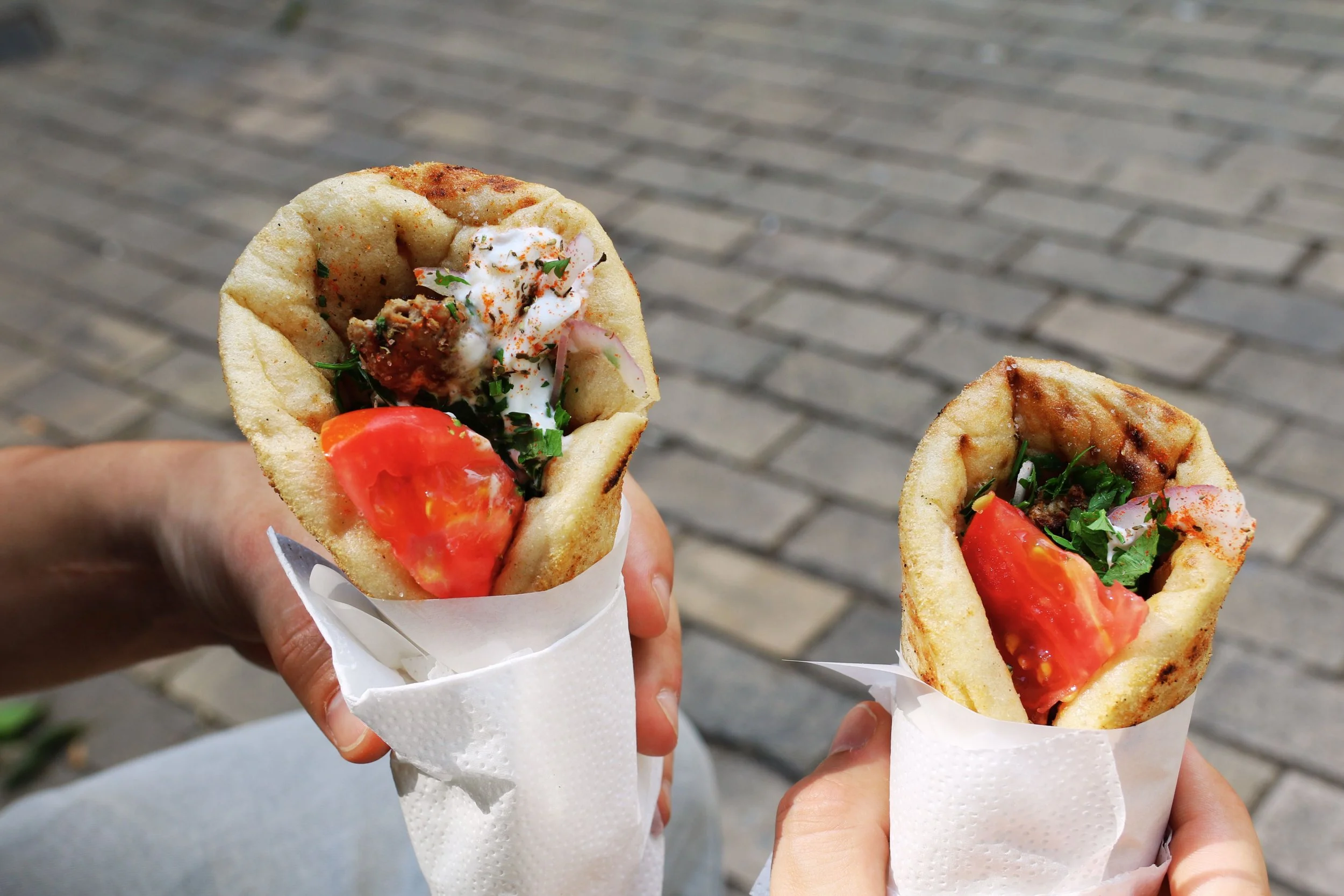
Greece is cheaper than most of Western Europe and a long way cheaper than the Maldives. It is also a country where a table on a Santorini cliff can cost several times what the same meal costs in a village taverna two islands over. Whether Greece feels expensive depends almost entirely on where you stand, which month you pick, and what you do about the flights. That said, as a frequent traveller to Greece it has absolutely become more expensive. A souvlaki was once €2 and now we’re closer to €5.
So here is the full Australian version, in euros and dollars, with the places where the money disappears. Planning the whole trip? Start with our guide to travelling to Greece from Australia, then come back to sort the budget.
Is Greece expensive for Australians, the quick answer
Greece is mid-priced by European standards and cheap for food. The flight from Australia is the biggest single cost, then accommodation in July and August. On the ground, expect roughly €100 to €180 a day per person for a comfortable mid-range trip outside peak summer (about A$160 to A$290 at 1 euro to A$1.62, the rate on 2 October 2026). Santorini, Mykonos and August can double that. Villages and the shoulder months can halve it.
What does a day in Greece cost?
These are approximate per-person figures for one adult, sharing a room. Prices move, so treat them as a shape.
Budget, €60 to €90 a day (A$100 to A$145). Guesthouse or hostel bed at €25 to €50, taverna meals at €10 to €20, buses and the odd slow ferry. Very doable in Athens, Crete and the mainland.
Mid-range, €100 to €180 a day (A$160 to A$290). A private room or apartment at €50 to €100 a night split between two, a sit-down dinner with wine, a scooter or car for a day, and a boat trip.
Comfortable, €250 and up (A$405 and up). Boutique hotels, a sea-view table, private transfers. Hotels at the top end start at €200 a night and keep climbing on the caldera.
Food is where Greece wins. A casual taverna meal runs €10 to €20 a head, and a fancy dinner €30 or more. Museums and archaeological sites are mostly €5 to €10 (the Acropolis sits higher, so check the current ticket on Visit Greece, the official tourism board).
Where is Greece most expensive?
Santorini and Mykonos, by a clear margin. You are paying for the view, the beach club and the fact that every ferry in the Cyclades points at them in July. The same money in Sifnos, Folegandros, Naxos or Milos buys a better room and a quieter beach. In Athens, the expensive streets are the ones around Syntagma and the Plaka lanes with a Parthenon view. One neighbourhood over, the same dinner costs a third less. If you are not sure where to base yourself, our guides to where not to stay in Athens and Athens neighbourhoods will save you more than any coupon.
How much is the flight from Australia?
This is the number that decides whether the trip feels expensive. Approximate return economy fares from the east coast, which swing constantly:
January and February. A$1,200 to A$1,800. Cheapest of the year, with most islands shut.
November and early December. A$1,400 to A$2,000. Athens and the mainland run normally.
Early May or late September. A$1,800 to A$2,400. The value pick for swimming weather.
July and August. The top of the range, because you are competing with all of Europe on holiday.
Book three to four months out. Our month-by-month guide to the best time to visit Greece shows what each of those months looks like on the ground, which matters more than the fare alone.
Which month is cheapest?
January and February are cheapest. For a trip with an open country and a swimmable sea, aim for the first half of May or the second half of September. Accommodation runs 20 to 30 percent below peak, ferries return to full timetables and restaurants have tables. August is the opposite: rooms double or triple and ferry fares climb 30 to 40 percent.
The costs nobody puts in the budget
The climate resilience fee
Every hotel and rental charges a small nightly fee per room, not per person. From 1 April to 31 October it is €2 for a 1 or 2-star hotel, €5 for 3 stars, €10 for 4 stars and €15 for 5 stars. Short-term rentals under 80 square metres pay €8, and villas over 80 square metres pay €15. It drops sharply from November to March. Full detail is in our Greek tourist tax guide, and you pay it at check-out, usually in cash or on the card.
Ferries
Athens to Mykonos runs about €20 to €50 one way on the slow boat, and Athens to Santorini about €40 to €70. Fast catamarans cost more and get cancelled when the meltemi blows. Our guide to Greek ferry companies covers who runs what.
Cars and scooters
Car hire starts around €20 to €50 a day outside summer and climbs fast in July and August. Scooters run €10 to €30 a day. Check your Australian licence and the rental company's insurance excess before you sign.
How to make Greece cheaper
Five moves do most of the work:
Travel in the first half of May or the second half of September.
Choose Sifnos, Naxos or Milos over Santorini and Mykonos (a bed can cost about 40 percent less).
Eat one street back from the water. The octopus is the same and the bill is not.
Order house wine by the carafe and the daily dishes the table next to you is eating.
Book flights early and ferries a few weeks out in summer.
Cycladic Spaces tip: pay in euros and decline the card terminal's offer to convert to Australian dollars. The rate it offers is worse than your bank's.
Practical tools
Check the Australian Government's Smartraveller page for Greece before you book, for entry rules and travel advice.
A fee-free travel card cuts the cost of every coffee.
Ferryhopper shows slow and fast boat prices side by side.
Take some cash. Smaller tavernas and some ferry kiosks still prefer it.
For a full AUD breakdown of a two-week trip, see our Greece trip cost budget guide in AUD.
Is Greece expensive FAQs
Is Greece cheaper than Italy?
Usually, yes, especially for food, wine and accommodation outside Santorini and Mykonos. Ferries and car hire can close the gap in summer. Athens sits below most Western European capitals for a comparable dinner.
How much money do I need per day in Greece?
About €100 to €180 per person (A$160 to A$290) for a comfortable mid-range day outside July and August. Budget travellers can manage €60 to €90 in Athens, Crete and the mainland.
Is Greece cheaper than Bali or Thailand?
No. Greece costs more on the ground and the flight is longer. It is cheaper than most of Western Europe, which is the fair comparison for a Euro summer.
What is the cheapest Greek island?
Crete, Naxos and the less famous Cyclades such as Sifnos and Milos give good value outside August.
Is Athens expensive?
Not by European capital standards. A taverna meal costs €10 to €20, museums €5 to €10, and a bed in a good neighbourhood from about €60. The cost jumps around Syntagma and Plaka.
Do I need cash in Greece?
Cards work in most places. Carry some euros for small tavernas, bakeries, taxis on the islands and ferry kiosks.
Is the tourist tax charged per person?
No. The climate resilience fee is charged per room or unit per night, so a couple sharing pays once.
When is Greece cheapest to fly to from Australia?
January and February are cheapest, then November. For good weather and fair fares, aim for early May or late September.
Read next
How much a trip to Greece costs from Australia, the full AUD budget. The best time to visit Greece, month by month. Greek ferry companies, an Aussie traveller's guide.
Spend the money on the flight and the good fish, and let the beach club go.
