
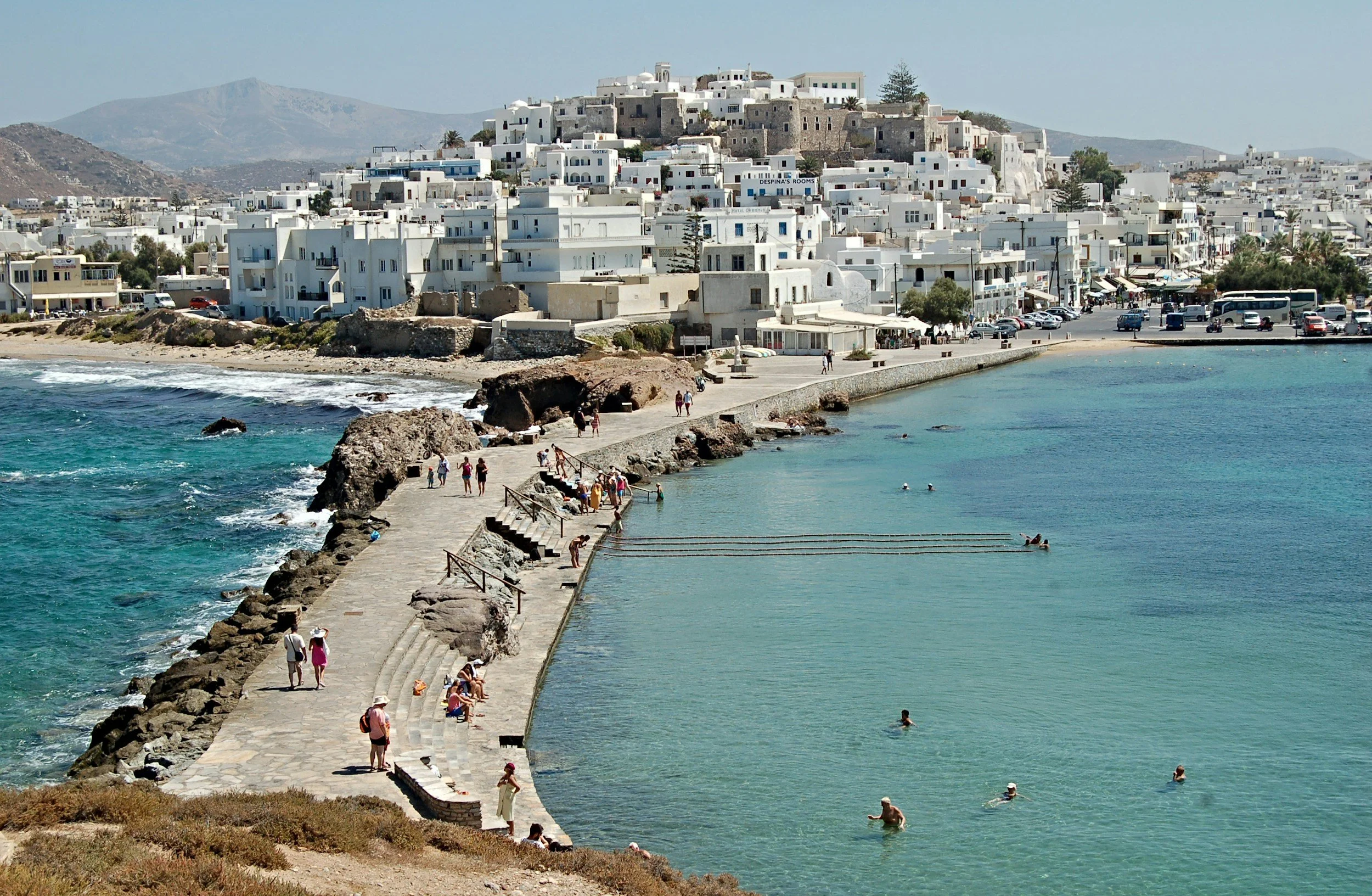
Naxos Travel Guide
Naxos Travel Guide 2026, Beaches, Villages, Mythology and Food From the Island
Naxos Greece is the biggest island in the Cyclades and, somehow, still one of the least overrun.
While ferries from Mykonos arrive daily loaded with day-trippers, most of them barely make it past the Portara before heading back. Their loss. This is an island with beaches that go on for kilometres, mountain villages where old men still play backgammon in the square, and a food culture built on what grows in the soil beneath your feet. The potatoes are famous. The cheese is exceptional. The citron liqueur will sneak up on you. Unlike its polished neighbours, Naxos hasn't been smoothed into a luxury postcard. It's agricultural, a bit rough around the edges, and that's exactly the point.
What’s happening in NAXOS
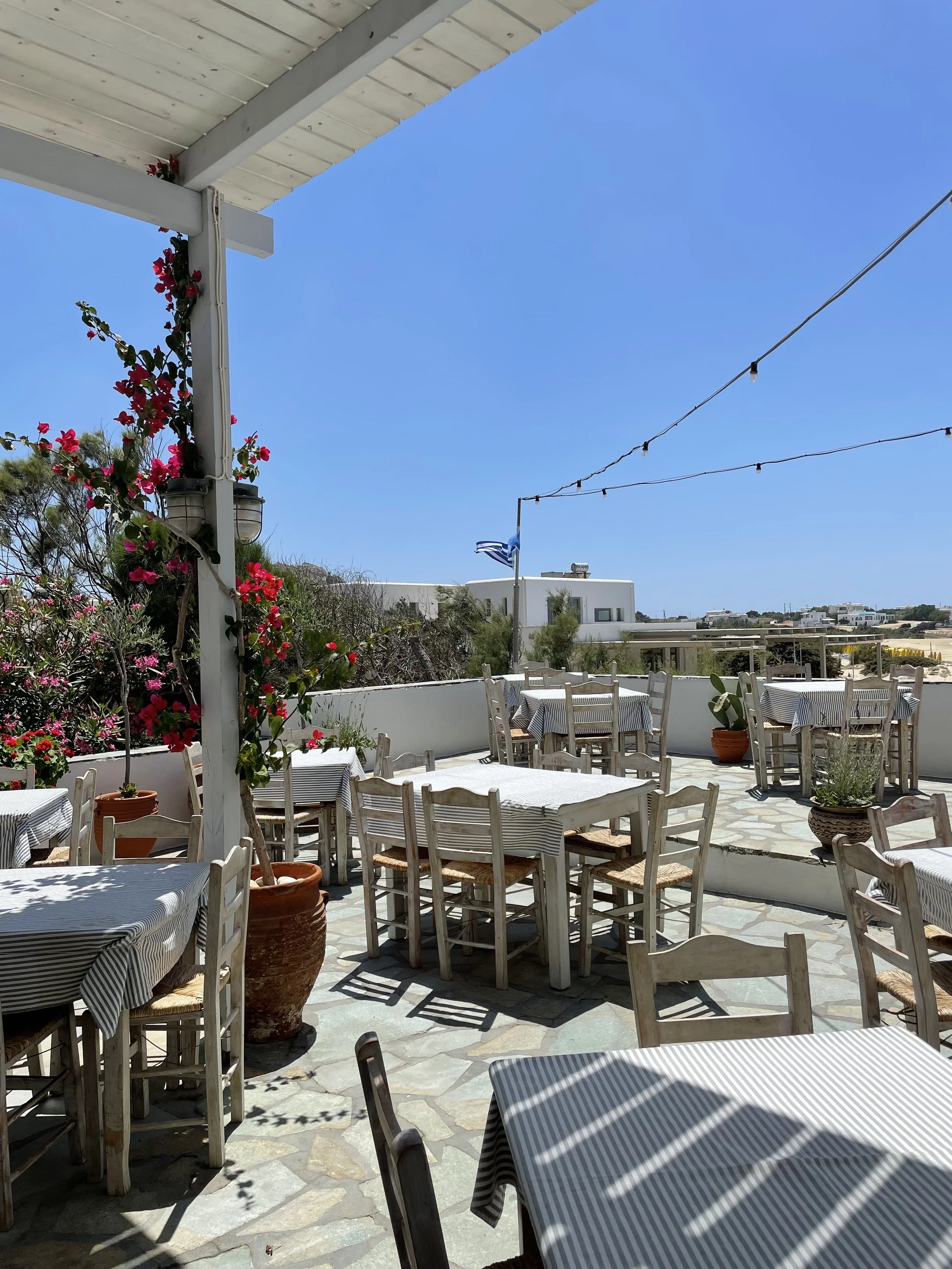
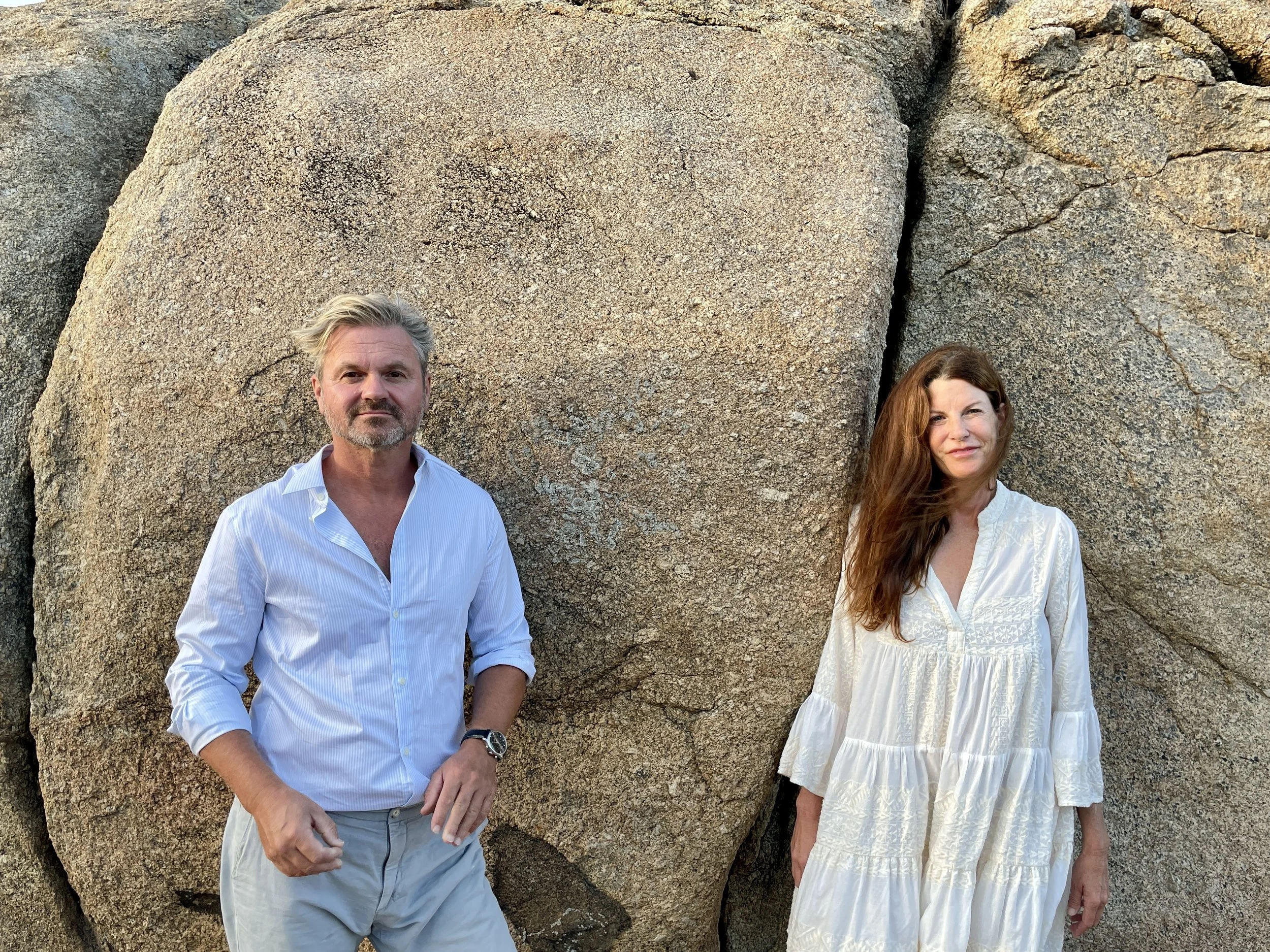
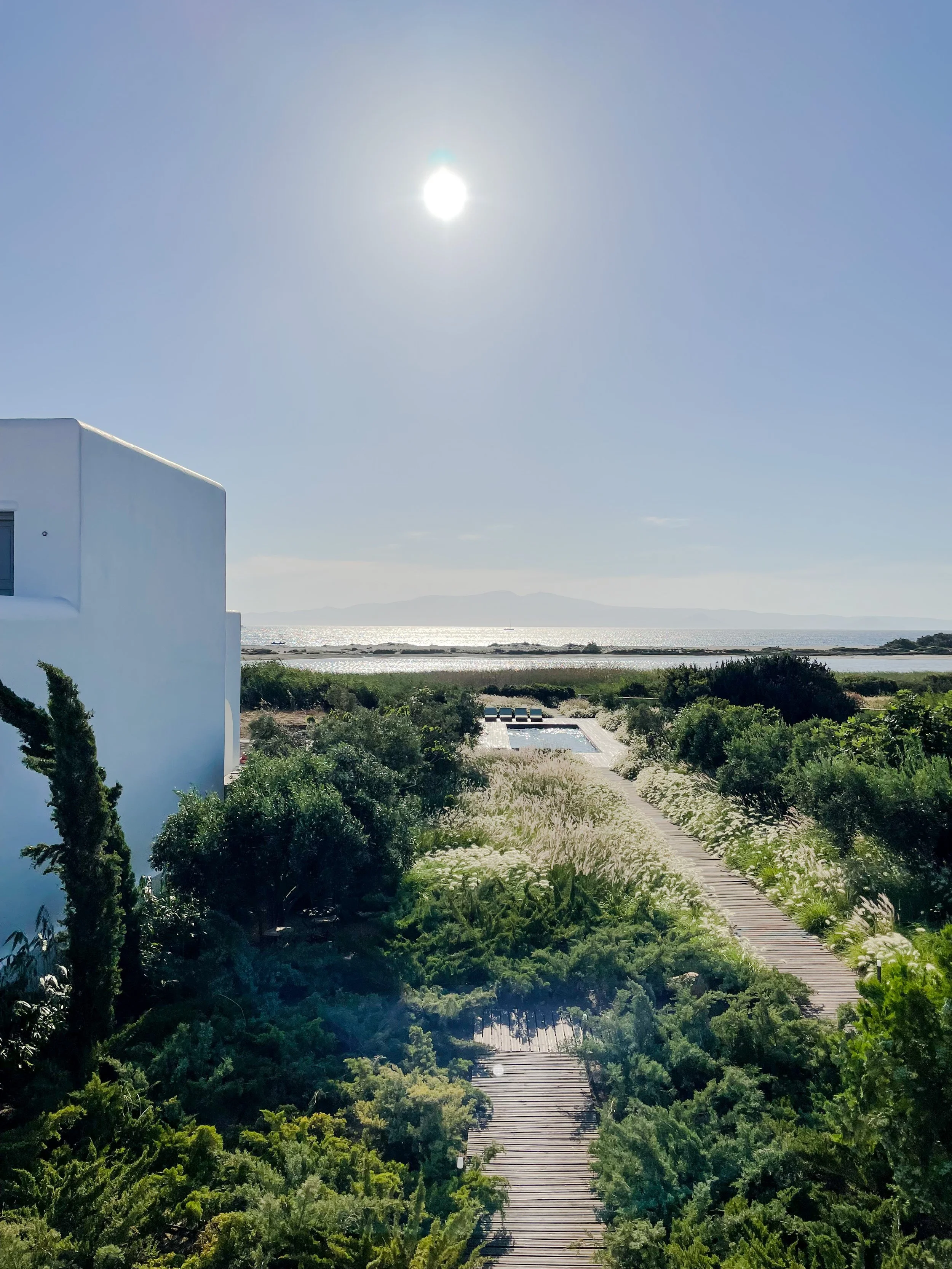
Why Naxos Works When Other Cycladic Islands Don't
The Cyclades have a problem. The famous ones are either priced out of reach or so crowded in summer that you spend more time queueing than swimming. Naxos somehow sidesteps both.
It's big enough to absorb visitors without feeling overrun. There's a proper road network, villages that don't exist purely for tourists, and enough coastline that you can find an empty beach even in August if you know where to look.
The ferry connections are excellent, which makes Naxos a natural base for island-hopping to Paros, Mykonos, Santorini, or the smaller Cyclades like Koufonisia and Amorgos.
First-timers to Greece often skip it in favour of the famous names. Repeat visitors know better.
If you're building an island list beyond the obvious, this guide helps: Your 2026 Guide to the Greek Islands (Beyond the Obvious).
The Mythology and History of Naxos
Greek mythology runs deep here. According to legend, Zeus himself was raised in a cave on Mount Zas, hidden from his father Cronus who had a habit of eating his children. The mountain is the highest in the Cyclades, and you can still hike to the cave today.
Then there's the story of Ariadne. After helping Theseus escape the Minotaur's labyrinth, she was abandoned on Naxos while she slept. Dionysus, god of wine, found her there and made her his bride. It's the kind of story that sounds romantic until you think about it too hard.
Either way, Naxos became sacred to Dionysus, and the island's wine tradition stretches back thousands of years.
The ancient Naxians were master sculptors. They carved the famous kouros statues, those oversized archaic figures you see in museums across Greece. Two unfinished kouros still lie where they were abandoned in ancient quarries, too heavy to move after something went wrong during carving. One is over ten metres long. Seeing them in situ is more affecting than any museum display.
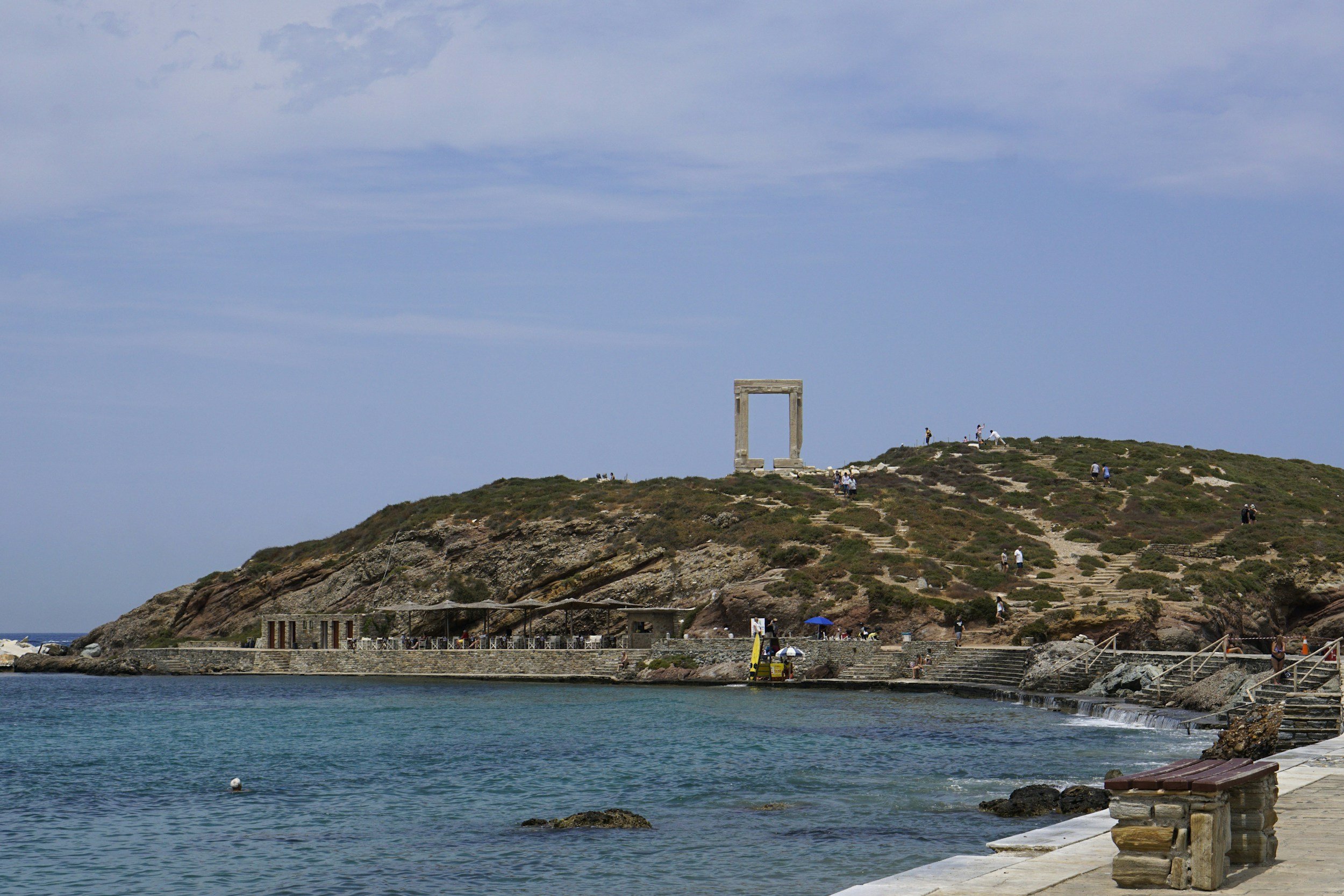
The Portara, the massive marble doorway that dominates the harbour view, was meant to be the entrance to a Temple of Apollo. Construction stopped in 530 BC when the tyrant Lygdamis ran out of money and political support. It's been standing unfinished for 2,500 years, and it's still the first thing you see when the ferry pulls in.
Best Time to Visit Naxos
The best time to visit Greece depends on what you're after, but Naxos has a longer season than most Cycladic islands because it doesn't rely solely on beach tourism.
May and June
The sweet spot. Beaches are warm enough to swim, wildflowers cover the hills, and you can get a table at any taverna without booking. The Meltemi winds haven't kicked in yet.
July and August
Peak season. The beaches are busy, particularly Agios Prokopios and Plaka. The Meltemi blows hard most afternoons, which is either miserable or perfect depending on whether you're a windsurfer. Book accommodation months ahead.
September and early October
Still warm, much quieter, and the sea is bathwater temperature from months of summer sun. Many consider this the best time. After mid-October, seasonal businesses start closing.
How many days do you need? Five to seven days lets you see the beaches, explore the mountain villages, and have time for a day trip to a neighbouring island. You could spend longer.
If you want the full month-by-month breakdown, start here: Best Time to Visit Greece.
Food and Local Products
Naxos has something rare in the Cyclades, agricultural self-sufficiency. The island produces its own potatoes, cheese, meat, olive oil, and citrus. When a menu says local, it often means from a farm you could drive to.
Naxian potatoes
Famous throughout Greece. Small, yellow, grown in the volcanic soil near Tripodes. You'll find them fried, roasted, or in stews everywhere on the island.
Graviera and arseniko cheese
The graviera is a hard sheep's milk cheese, nutty and slightly sweet. Arseniko is sharper, aged longer. Both are PDO protected. Buy some to take home.
Kitron liqueur
Made from the leaves of the citron tree, a citrus that grows almost nowhere else. It comes in three colours: green (sweetest), yellow (medium), and clear (driest). Visit the Vallindras Distillery in Halki for a tasting.
What to eat
Order the local cheese plate, lamb or goat slow-cooked, anything with Naxian potatoes. For breakfast, try the local yoghurt with thyme honey.
Where to eat
In Chora, avoid the waterfront tourist traps and walk uphill into the Kastro. In the villages, any taverna with plastic chairs and a handwritten menu is probably good. Apiranthos has several reliable options on the main street.
The Beaches of Naxos
Naxos has some of the best beaches in the Cyclades. Unlike the volcanic black sand of Santorini or the pebbly coves of other islands, here you get proper golden sand that stretches for kilometres along the west coast.
Agios Georgios
The town beach, walking distance from Chora. Shallow, calm, and family-friendly. Convenient but not spectacular.
Agios Prokopios
Consistently rated among Greece's best beaches. Soft sand, clear water, good tavernas nearby. Gets busy in summer for a reason.
Plaka
A long stretch of sand south of Prokopios. The northern end has sunbeds and beach bars, keep walking south and it empties out. Parts are clothing-optional.
Mikri Vigla
Two beaches separated by a headland. The northern side is calm, the southern side catches wind and is popular with kitesurfers and windsurfers. Some of the best conditions in the Cyclades.
Alyko
A nature reserve with several small beaches and dunes backed by cedar forest. No development, no sunbeds. The abandoned hotel covered in graffiti has become a strange landmark. Bring your own water and shade.
Kastraki
South of Alyko, less visited, backed by wetlands. A quieter option when you want to escape the crowds.
Insider tip: The beaches on the east and north coasts are rockier and less developed. Worth exploring if you have a car and want something wilder.
The Mountain Villages of Naxos
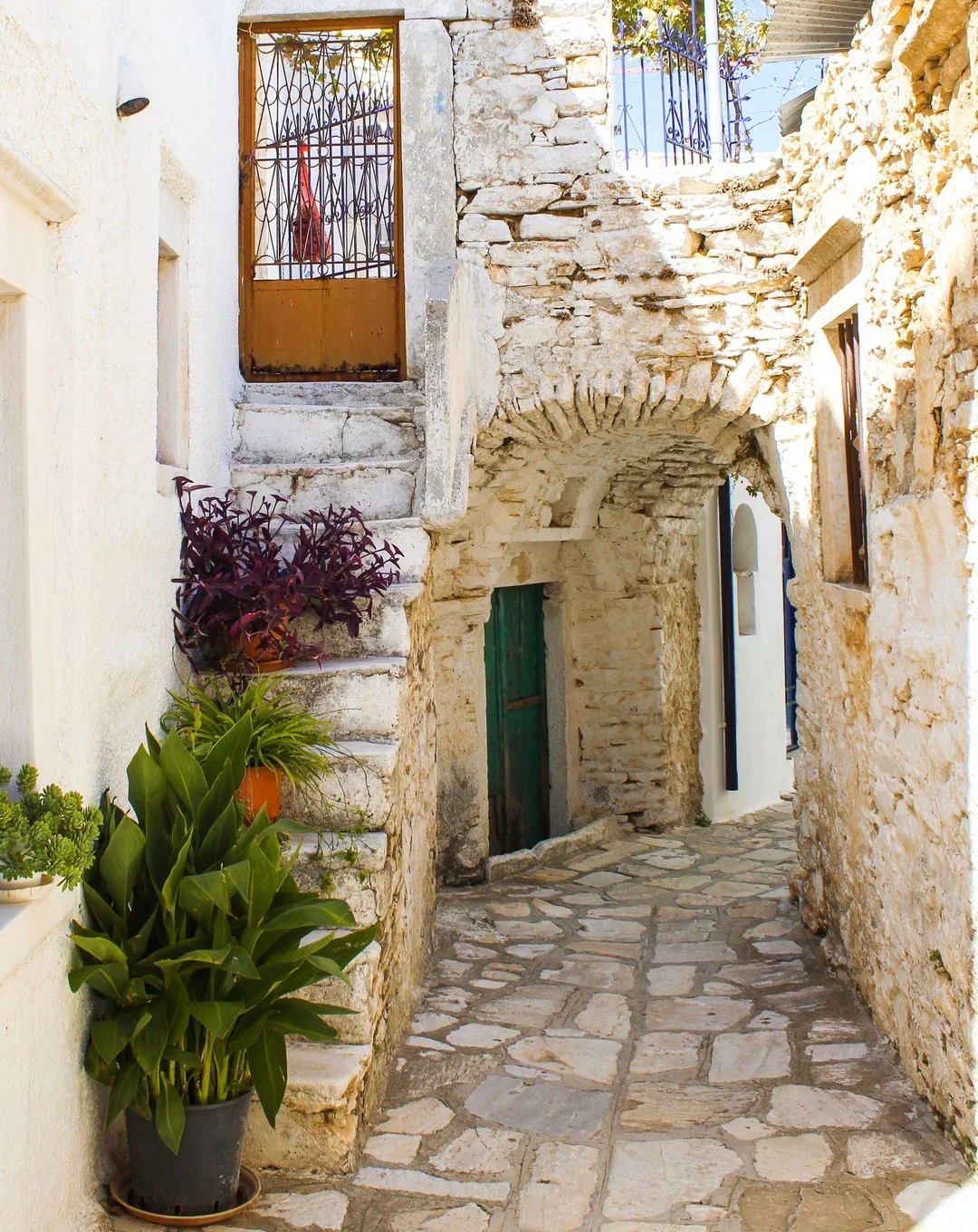
Most visitors stick to the coast. That's a mistake. The interior of Naxos is where the island's character lives, in villages built from local stone where donkeys still outnumber tourists and the pace of life hasn't changed much in decades.
Halki
The old commercial centre of the island, about 16 kilometres from Chora. Neoclassical mansions, the Vallindras Distillery where they've been making kitron since 1896, and Venetian tower houses. This is where you come to buy local products and taste the citron liqueur.
Apiranthos
The most striking of the villages. All marble, from the streets to the buildings. The locals have a distinct dialect and a reputation for independence. Several small museums, a main street lined with tavernas and shops, and one of the few villages that feels genuinely lived in rather than preserved for visitors.
Filoti
The largest mountain village, sitting at the base of Mount Zas. The trailhead for the hike to the summit starts nearby. Good tavernas, a big plane tree in the square, and views across the agricultural plains below.
Koronos
High in the mountains on the east side of the island. Quieter than the others, with steep streets and a traditional feel. Worth the drive if you want to see a village that hasn't been touched by tourism.
Insider tip: Drive the circular route through the villages in one afternoon. Start at Halki, continue to Filoti, then Apiranthos, and loop back via Koronos if you have time. Stop for lunch in Apiranthos.
Ancient Sites and History Worth Seeing
The Portara
The island's icon. Walk out to the peninsula at sunset and you'll understand why it's photographed so often. The marble doorway glows orange against the Aegean. Best viewed early morning or at sunset when the day-trippers have left.
Temple of Demeter at Sangri
A partially reconstructed temple from the 6th century BC, dedicated to the goddess of harvest. Less crowded than the Portara and more atmospheric. The setting, surrounded by farmland, feels appropriate for a harvest deity.
The Kouros Statues
Two unfinished kouros lie in ancient quarries near Apollonas (10.7 metres) and Melanes (6.5 metres). They were abandoned mid-carving, probably because of cracks in the marble. Seeing them in their original quarry context is genuinely moving.
Kastro (The Old Town)
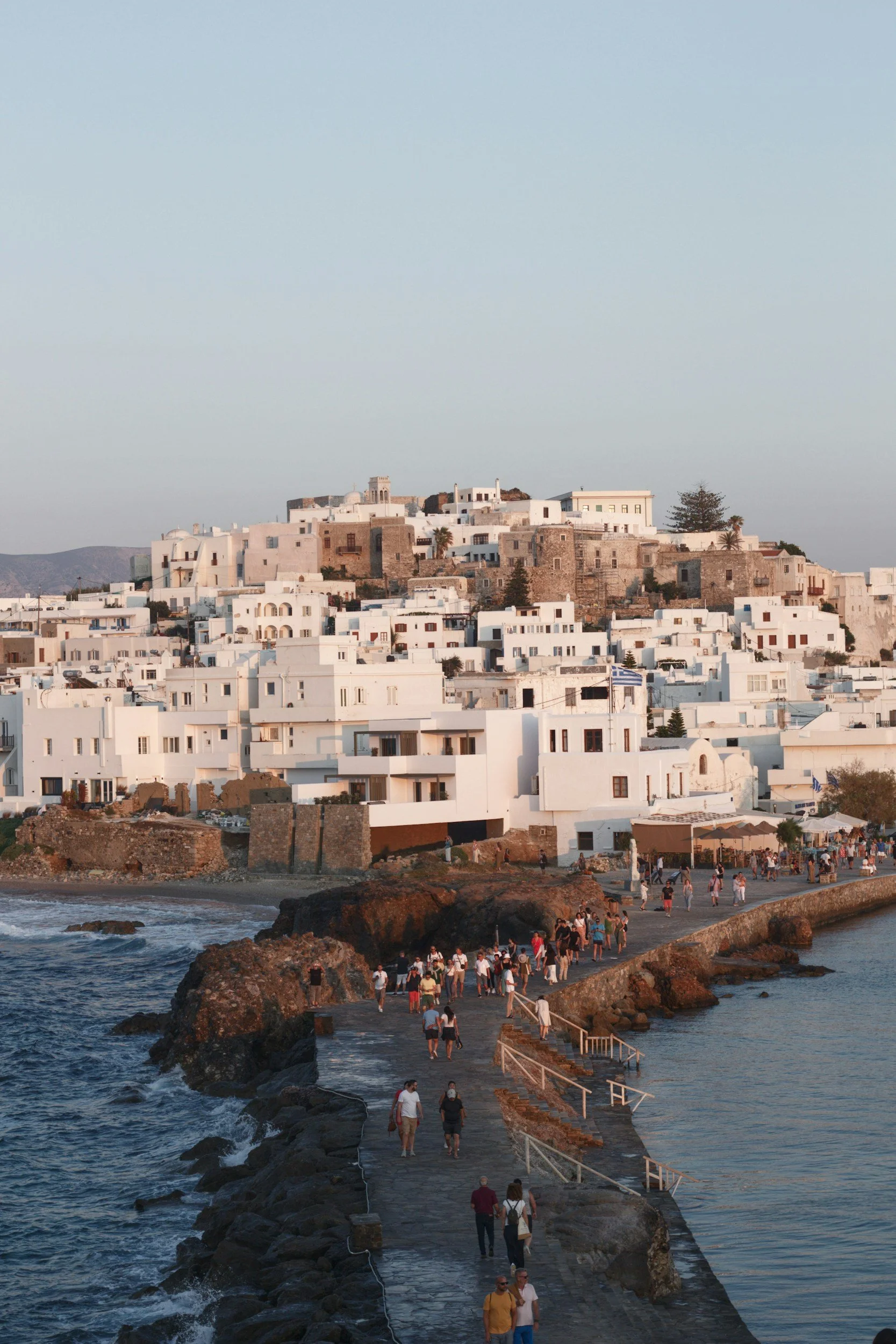
The Venetian fortress quarter in Chora. Narrow lanes, Catholic churches, the Archaeological Museum housed in a former Jesuit school. Wander without a map and get lost on purpose.
Flisvos Naxos
Things to Do in Naxos Beyond the Beach
Hike Mount Zas
The highest peak in the Cyclades at 1,004 metres. The trail from Filoti takes around 3 hours return. Bring water, start early to avoid the heat, and enjoy the views from the top. The cave where Zeus was supposedly raised is partway up.
Learn to windsurf or kitesurf
Mikri Vigla and Flisvos Beach have schools and reliable Meltemi winds from June to September.
Tour the distilleries and farms
Vallindras in Halki for kitron. Local cheese producers in the villages. Olive oil estates scattered across the island. This is agritourism done properly.
Day trip to Koufonisia or Iraklia
The Small Cyclades are accessible by ferry from Naxos. Koufonisia has beautiful beaches and a growing reputation. Iraklia stays genuinely quiet.
Wander Chora at night
The old town comes alive after dark. Tiny bars hidden in the Kastro, harbour-front drinks with Portara views, and enough decent restaurants that you don't need to plan.
Visit Kalodromo
See a marble master at work, carve marble sculptures by hand at Kalodromo.
Where to Stay in Naxos
Chora (Naxos Town)
The obvious base. Restaurants, nightlife, the ferry port, and easy access to the rest of the island by car. Stay in the Kastro for atmosphere or near Agios Georgios beach for convenience.
Agios Prokopios or Plaka
Beach-focused stays. Better for families or anyone who wants sand over cobblestones. You'll need a car or bus to get to Chora for dinner.
The villages
Halki and Apiranthos have a few guesthouses and small hotels. Quieter, more authentic, and a good option if you want to escape the coastal crowds. Limited dining options but worth it for the atmosphere.
Tip: Book hotels rather than Airbnbs where possible. The money stays local and you'll often get better advice on where to eat and what to see.
Do You Need a Car in Naxos?
Yes. Naxos is big, around 430 square kilometres, and the best parts of the island require wheels to reach. Buses run between the main beaches and Chora, but they're infrequent and won't get you to the mountain villages or quieter beaches on the south coast.
Rent from the port when you arrive or book ahead in peak season. The roads are generally good, though some village roads are narrow and winding. A small car is easier to park in Chora and the villages than anything bigger.
Getting to Naxos from Australia
There's no international airport on Naxos, so you'll connect through Athens. From Sydney or Melbourne, most routes go via Singapore, Dubai, or Doha before landing at Athens International.
By ferry from Athens
High-speed ferries from Piraeus take around 3.5 hours. Slower ferries take 5 to 6 hours but cost less and have better deck space. In peak season, there are multiple departures daily.
By flight
Naxos has a small domestic airport with direct flights from Athens, around 45 minutes. Olympic Air and Sky Express operate the route. The planes are small and the schedules can be unreliable, but it's a good option if you're short on time.
From other islands
Naxos is well connected to Paros (30 minutes), Mykonos (45 minutes to 1.5 hours), Santorini (2 to 3 hours), and the smaller Cyclades. It makes a natural hub for island-hopping.
Don't forget the Greek tourist tax that applies to accommodation bookings: Greek Tourist Tax 2025/2026.
If you're planning the whole trip from home (routes, stopovers, SIMs, entry rules), start here: Travelling to Greece from Australia.
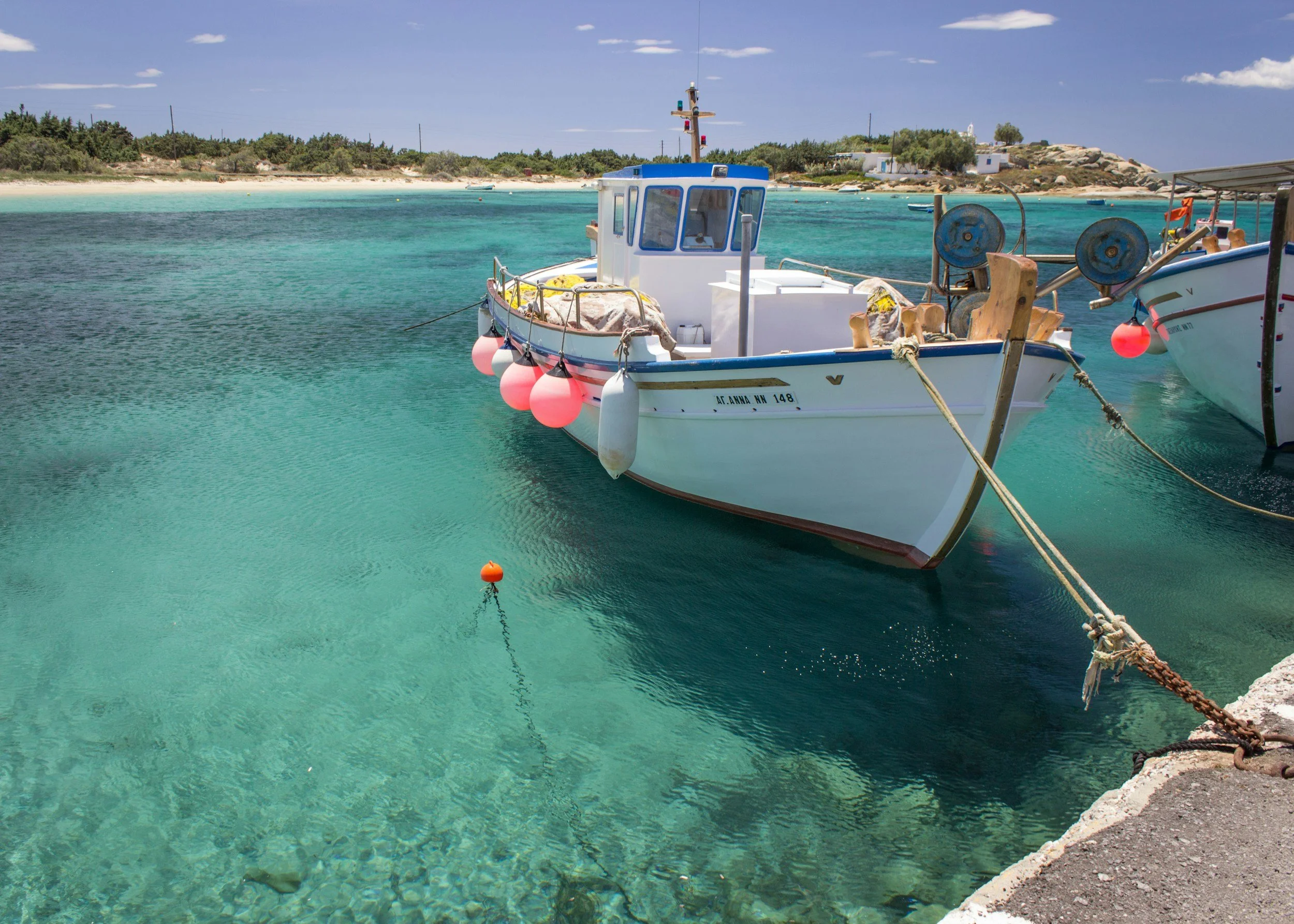
Why Naxos Belongs on Your Greek Island List
Naxos isn't trying to be Mykonos or Santorini. It doesn't need to.
The beaches are better, the food is actually local, and the villages in the mountains feel like somewhere people live rather than somewhere they visit.
It's the kind of island where you can spend a morning swimming, an afternoon driving through villages, and an evening eating cheese and potatoes at a taverna with plastic chairs.
That might not sound glamorous. It's not. It's just good.
The Portara has been standing unfinished for 2,500 years. The locals don't seem to be in any rush either. That's part of the appeal.
Frequently Asked Questions
-
Absolutely. It's one of the most underrated islands in the Cyclades. Better beaches than Mykonos, more authentic than Santorini, and genuinely excellent food. The combination of coast and mountains means there's more to do than on smaller islands.
-
By ferry from Piraeus (3.5 hours high-speed, 5 to 6 hours regular) or by domestic flight (45 minutes). Most travellers take the ferry.
-
The Portara (Temple of Apollo), excellent beaches, mountain villages, local food (particularly potatoes and cheese), the mythology of Zeus and Dionysus, and ancient kouros statues.
-
They're different. Naxos is bigger, more agricultural, with better beaches and mountain villages. Paros is smaller, more polished, with better nightlife in Naoussa. Many visitors combine both since they're only 30 minutes apart by ferry.
-
Five to seven days is ideal. Three days works if you're short on time, but you'll have to choose between beaches and villages. A week lets you do both properly, with time for a day trip to the Small Cyclades.
-
More affordable than Mykonos or Santorini. Mid-range by Cycladic standards. Accommodation runs cheaper than the famous islands, and eating local keeps food costs reasonable. The main expense is getting there.
-
ou can visit on a day trip from Paros or Mykonos, but you'll only scratch the surface. A day is enough for the Portara, a quick look at Chora, and one beach. The villages and the south coast need more time.