
Where to Stay in Athens: Best Neighbourhoods (and Where I’d Skip)
Updated June 2026
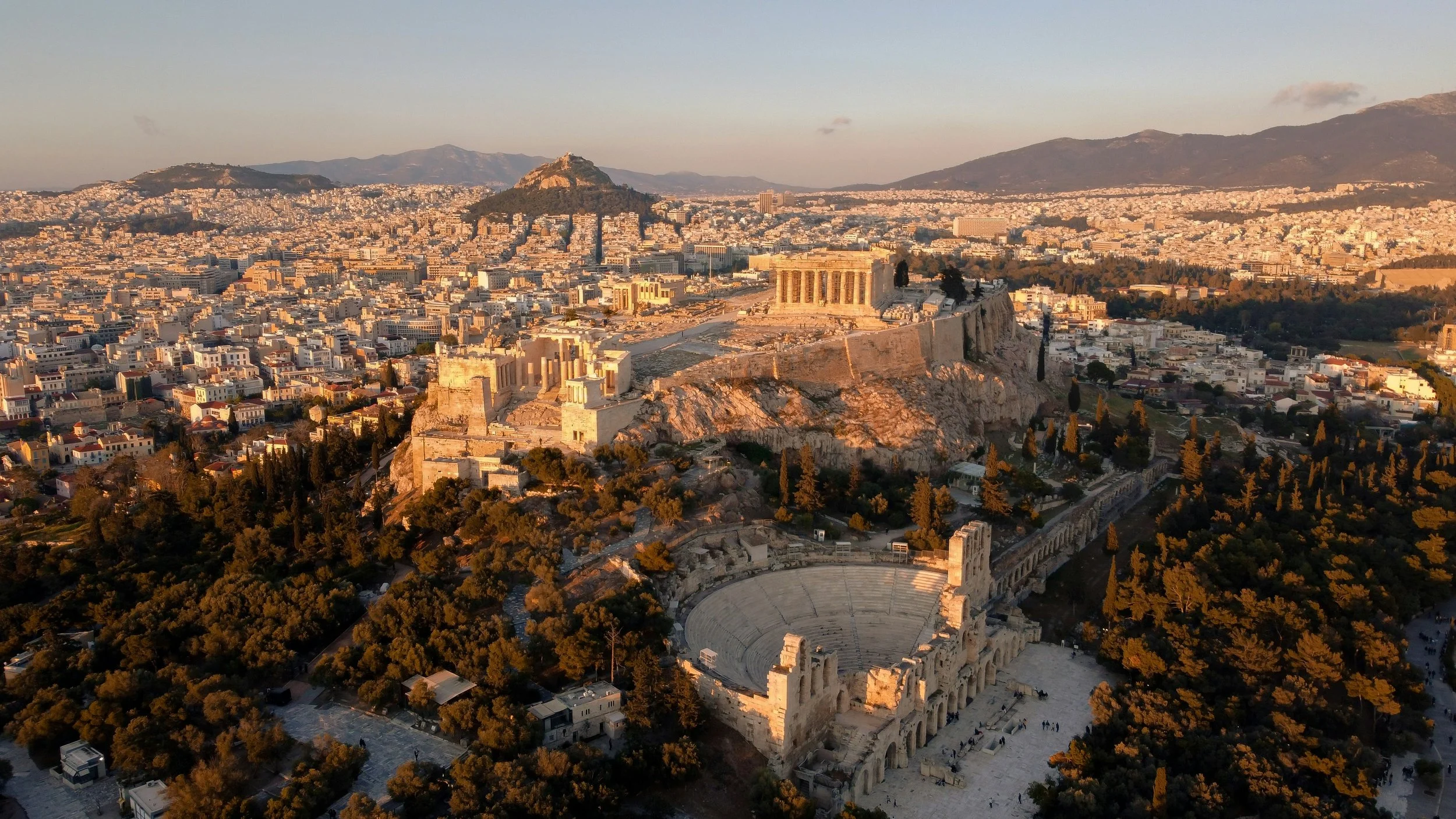
Athens rewards a good base.
Stay in the right pocket and the city feels easy. You’re walking to dinners, grabbing a freddo espresso between shops, and ending up on a rooftop without even trying. Stay in the wrong one and suddenly everything feels a bit gritty, a bit loud, and a bit “why is this street still awake”.
So, let’s keep it simple.
This guide breaks down the best neighbourhoods to stay in Athens, who they suit, and the areas that can be a little annoying if you don’t know what you’re booking.
If you’re building your full Greece itinerary too, start here: Travelling to Greece from Australia.
Got the neighbourhood sorted? Plan your culture days with our best museums in Athens guide.
Where to stay in Athens, quick picks
Best area for first timers: Plaka or Koukaki
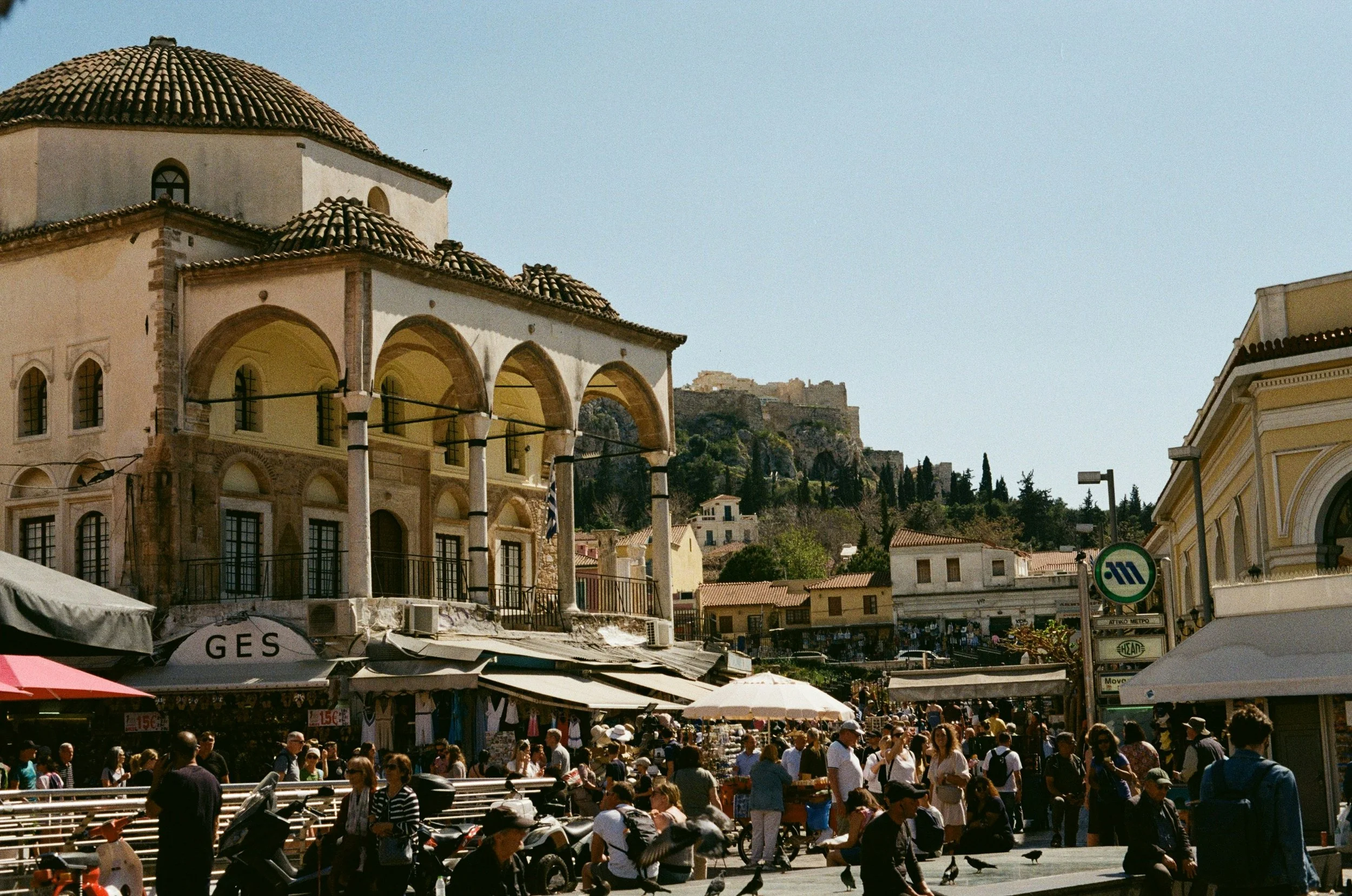
Best for food and nightlife: Psyrri or Monastiraki
Best for local vibe: Pangrati
Best for fancy stays: Kolonaki
Best for budget + easy transport: Syntagma area
My Athens neighbourhood shortlist (the cheat sheet)
If you want Athens to feel walkable, safe, and easy on the day, start with these.
Best all-rounders
Plaka (pretty, classic, close to everything)
Koukaki (local vibe, cafes, and easy access to the Acropolis)
Most convenient
Syntagma (transport king, best for short stays)
Best for a more polished vibe
Kolonaki (upmarket, calm, great for shopping and nicer hotels)
Best for nightlife and late dinners
Psyrri (fun, central, can be loud)
Areas to be careful with
Omonia (depends street-by-street, not always the vibe people want)
Near certain nightlife strips (fine if you’re out late, annoying if you want sleep)
The best areas to stay in Athens
Plaka
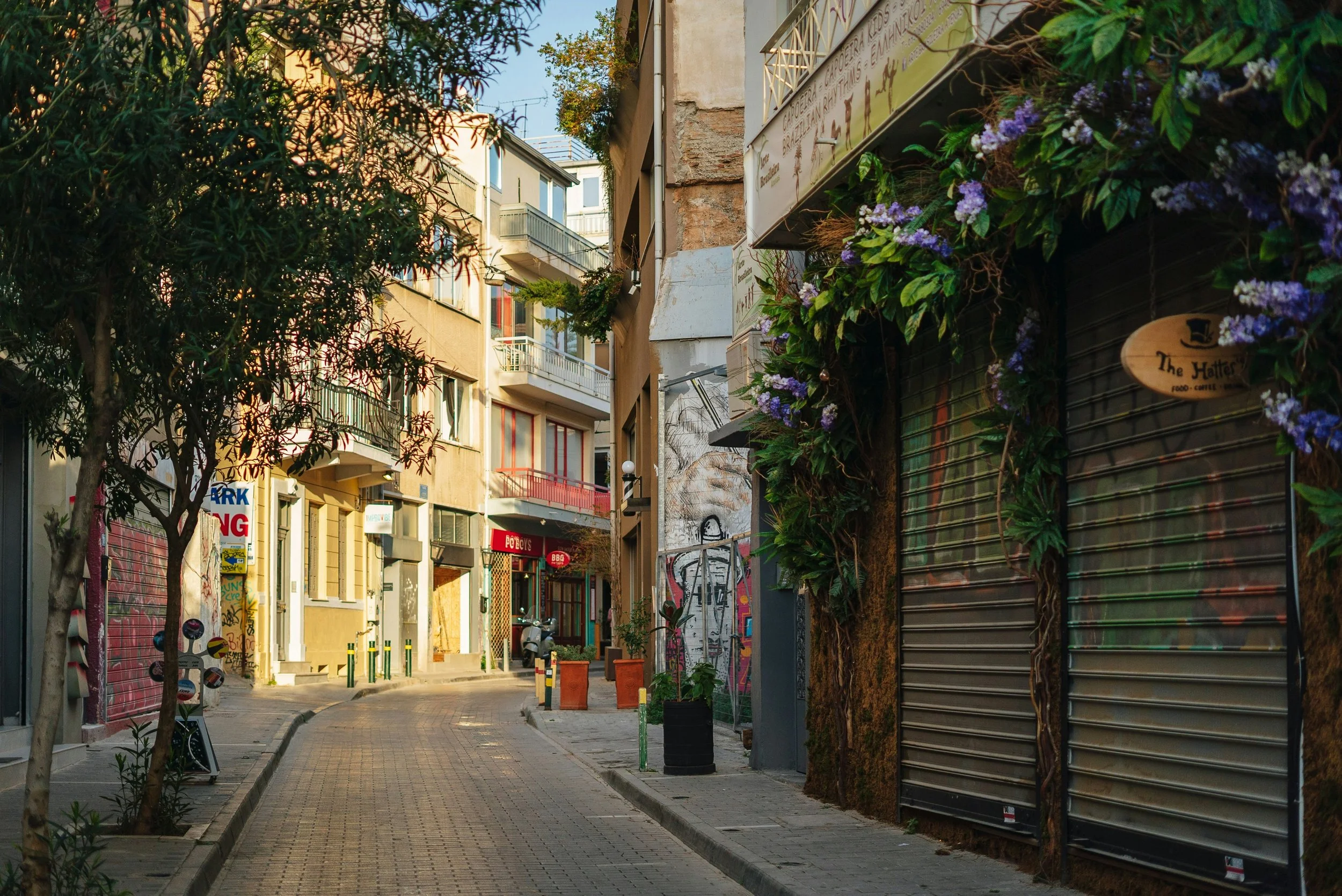
Plaka is Athens at its most postcard-y. Cobbled lanes, neoclassical buildings, little corners that look like they belong on a film set. It’s also right under the Acropolis, which is why everyone loves it.
Stay in Plaka if you want
classic Athens vibes
walking distance to the main sights
cafes, shops, rooftop bars within minutes
The one thing to know
It’s busy. You’ll be surrounded by tourists, especially in peak season. But for a first trip, it’s hard to beat for ease.
Koukaki
Koukaki is the quiet achiever. It’s close to the Acropolis, but it feels more lived-in than Plaka. Think neighbourhood cafes, bakeries, and a slower pace, while still being super central.
Stay in Koukaki if you want
a more local feel without being far away
easy access to the Acropolis and museums
great food spots that don’t feel touristy
Insider tip
This is one of the best areas if you want Athens to feel “real” but still simple. It’s also great for couples and families.
Syntagma
Syntagma is your “make life easy” option. You’re near the parliament, close to big shopping streets, and you’ve got transport connections everywhere. If you’re only in Athens for a short time, this is a practical choice.
Stay in Syntagma if you want
convenience above all
easy airport access and day trips
a central base for ferries, tours, and early flights
The one thing to know
It’s busy and less charming. You’re not staying here for romance, you’re staying here because it makes your trip smoother.
Kolonaki
Kolonaki is polished. It’s the Athens “nice area”, with designer shops, chic cafes, and quieter streets. If you want Athens to feel calm and a bit more grown-up, this is it.
Stay in Kolonaki if you want
a more upscale vibe
quieter nights
boutique hotels and good shopping
Insider tip
It’s a great choice if you’ve done Athens before and want something less touristy, or if you love staying somewhere that feels calm after a big day out.
Psyrri
Psyrri is fun. It’s one of the best areas for bars, late-night food, and that buzzy Athens energy. It can also get loud, so it depends what kind of traveller you are.
Stay in Psyrri if you want
nightlife and a social vibe
lots of choices for food and drinks
to be walking distance from almost everything
The one thing to know
Some streets are totally fine, others can feel messy late at night. If you’re a light sleeper, choose carefully, or pick a hotel with decent soundproofing.
Pangrati
Pangrati is one of Athens’ coolest neighbourhoods without trying too hard. It’s local, food-focused, and full of wine bars that feel like they were designed for long nights and lazy conversations.
Stay in Pangrati if you want
a more local Athens vibe
great food and bars without tourist chaos
easy access to the centre without being right in it
The one thing to know
It’s less “postcard Athens” and more “this is where people live”. Which is kind of the point.
If you’re mapping out flights, stopovers, SIMs and the whole Greece plan, start with Travelling to Greece from Australia.
Omonia and the cheap hotel trap
Omonia is one of those areas where the price tags can look tempting. Sometimes it’s fine. Sometimes it’s not the vibe people want, especially late at night.
I wouldn’t say “never stay here”, but I would say this.
check the exact street
read recent reviews
don’t book it purely because it’s cheaper
Athens is a city where spending a little more for the right area can change your whole experience.
Best neighbourhoods by travel style
If you don’t want to overthink it, pick the section that sounds like you.
First time in Athens
Go for Plaka or Koukaki.
You’ll be central, walkable, and it’s hard to mess it up. You’ll also spend less time figuring out transport and more time enjoying yourself.
If you want an Athens plan to match, use 48 Hours in Athens.
Couples
Koukaki is the winner for couples who want that relaxed, local feel.
Plaka is perfect if you’re leaning into the classic Athens vibe and don’t mind crowds.
If you want something a bit more polished, Kolonaki feels calm and easy.
Families
Athens is surprisingly family-friendly once you choose the right base.
Koukaki is the easiest pick. Walkable, central, not too wild at night.
Greeks love kids. Properly. Nobody’s giving you side-eye because your child is eating chips for dinner or singing at the table. You’ll usually get smiles, jokes, and someone slipping them an extra piece of bread like it’s a sacred ritual.
Solo travellers
Athens is a great solo city if you choose a smart base.
Syntagma is convenient, well-connected, and easy.
Koukaki is calm and local, which a lot of solo travellers love.
If you’re into nightlife, Psyrri is fun. Just choose your accommodation carefully if you like sleeping.
Food lovers
Athens is a food city. You’ll eat well anywhere, but some areas make it easier.
Koukaki has great casual spots.
Psyrri is packed with late-night food and buzzy tavernas.
If you want a proper list, save Best Restaurants in Athens.
Nightlife
Psyrri and nearby pockets of Monastiraki are the easiest bases if you want to stay out late.
Just remember, Athens is alive at night. Your “quiet hotel” expectations need to be realistic.
How many nights in Athens?
Two nights is the minimum.
Three nights feels relaxed.
If you’re island hopping, Athens works best like this.
2 nights at the start (arrive, reset, see the sights)
1 night at the end (shopping, dinner, easy airport run)
And yes, it’s worth doing Athens first. It helps you land softly after the long flight.
Athens transport tips
If you’re staying central (Plaka, Koukaki, Syntagma, Kolonaki, Psyrri), you’ll do most things on foot.
Getting from the airport
You’ve got three easy options.
Metro
Taxi
Private transfer (best if you’re arriving late or travelling with kids)
Getting to the port
If you’re heading to the islands, you’ll likely go through Piraeus.
Stay central, then take a taxi or metro to the port on ferry day. It’s easier than staying near the port for your whole trip.
If you’re planning ferry days, this guide will save you stress: Travelling to Greece from Australia.
Quick booking tips before you lock anything in
These are the small things that make a big difference.
If the hotel deal looks too good, check the street name and reviews
Choose soundproofing if you’re near nightlife areas
Pick walkable areas so you’re not taxi-ing everywhere
If you’re travelling in summer, book early. Athens fills up fast
Where to stay in Athens FAQs
What is the best area to stay in Athens for first timers?
Plaka and Koukaki are the easiest choices for first timers. They’re central, walkable, and close to the main sights.
What is the safest area to stay in Athens?
Kolonaki, Koukaki, and Plaka are popular choices that feel comfortable for most travellers. Like any city, it’s still smart to stay aware in crowded areas.
Where should I avoid staying in Athens?
For first timers, I’d avoid booking far from the centre just to save a few euros, because you’ll lose time, spend more on taxis, and Athens stops feeling fun fast.
If you’re tempted by a bargain, be careful with:
Omonia (it really is street-by-street, and some spots feel rough late at night)
anywhere that’s “close to Athens” but not walkable or metro-friendly
places with lots of recent reviews mentioning noise, safety, or sketchy entrances
If you want Athens to feel easy, pay for location. It’s one of the few cities where it changes everything.
Is Athens safe for tourists?
Generally yes. Keep an eye on your belongings in busy areas and stick to well-lit streets at night.
Is it better to stay near the Acropolis?
If you want Athens to feel easy, yes. Plaka and Koukaki make it simple to explore on foot.
How many days do you need in Athens?
Two days is enough to see the highlights. Three days gives you breathing room and a slower pace.
Is Athens walkable?
Yes, the centre is very walkable. If you stay in Plaka, Koukaki, Syntagma or Psyrri, you’ll be on foot most of the time.
How many nights should I stay in Athens?
Two nights is enough for the highlights. Three to four is where Athens starts feeling like a place you get to enjoy, not just tick off.
Keep planning
If you’re mapping out the full trip, these will help.
