

Lefkada Travel Guide
Lefkada is one of the most captivating islands in the Ionian — it’s a place that feels carved from sea and stone, with a rhythm that slows the moment you arrive. Connected to the mainland by a narrow causeway, it’s close enough for an easy trip yet far enough to feel like an escape.
You’ve never seen the sea like this
Here, the days are painted in shades of turquoise and gold, the air is perfumed with salt and grilled fish, and every road seems to promise a new hidden cove. This is an island for unhurried mornings, swims in water so clear it hardly seems real, and evenings lit by the slow melt of the sun into the horizon.
Lefkada is a rare gem in the Ionian Islands, and you can drive there without ever stepping on a ferry. A slim causeway connects it to the mainland, but once you cross, the pace shifts. Beneath the rugged cliffs and whitewashed villages lies a soul shaped by the sea and the mountains. Unlike the party islands, Lefkada is a place where days are measured by the sun’s path and the sound of the waves. It’s also home to some of the best beaches in the world, including the famous Porto Katsiki and Egremni, where turquoise bays meet sheer white cliffs.
Picture sleepy fishing villages where the scent of grilled fish drifts from taverna doors, and winding roads that lead to secret coves. It’s an island that rewards slow mornings, long swims, and evenings with salt still in your hair.
Best Beaches in Lefkada
Lefkada’s coastline is a dreamscape of colours and textures. The water here shimmers in shades of blue you might think only exist in photographs, from deep sapphire to glowing turquoise. Rocky green headlands drop into pebbled shores, and white limestone cliffs frame long sweeps of sand. Every turn in the road seems to reveal another stretch of paradise waiting to be explored.
Porto Katsiki
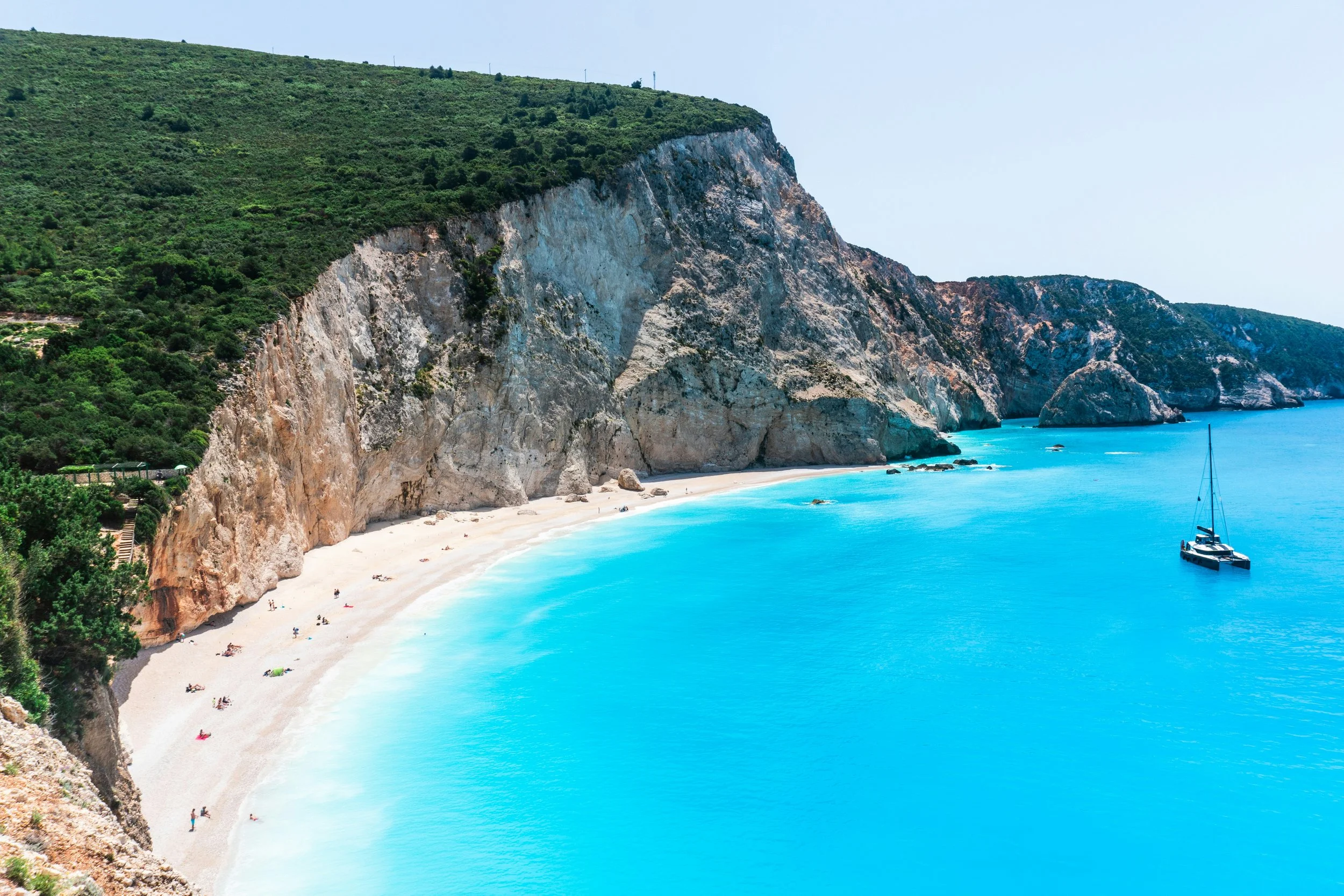
The poster child of Lefkada beaches. Towering limestone cliffs plunge into electric-blue water, and every angle looks like it belongs on a postcard. Get there early to have a slice of paradise to yourself.
Egremni
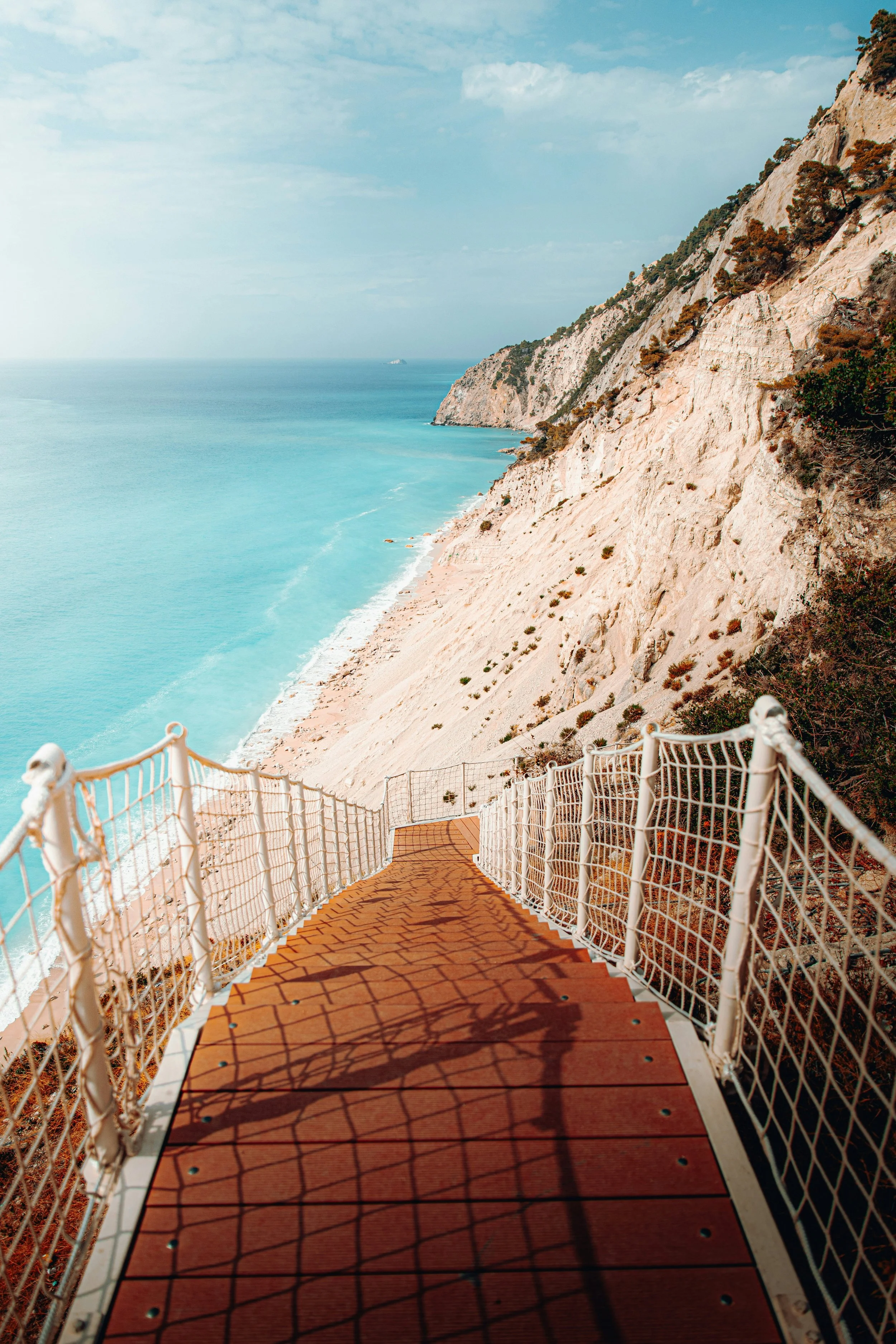
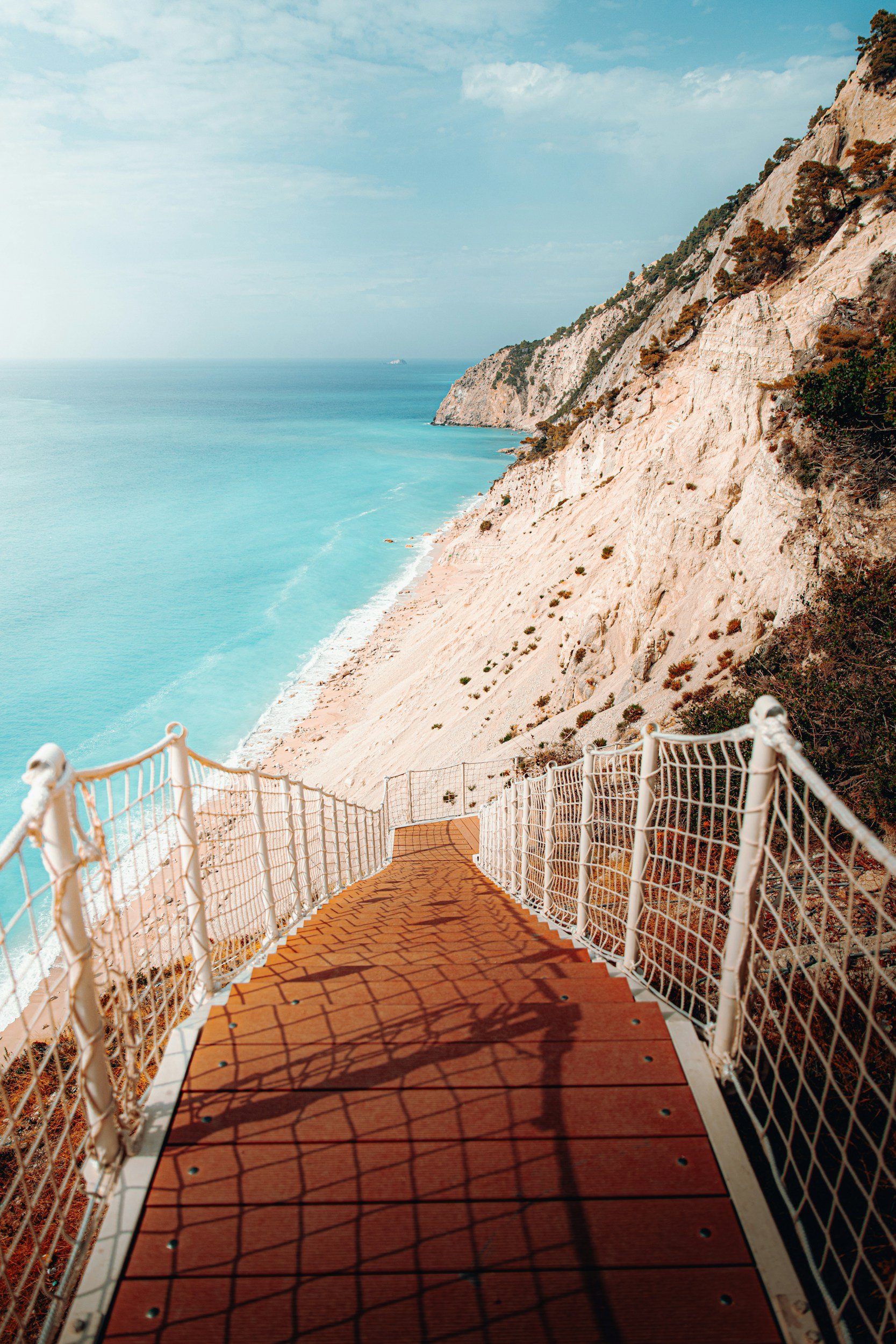
Reaching Egremni is part of the adventure – a winding drive and a long set of steps – but once you step onto that endless stretch of sand, the world feels far away.
Kathisma
Perfect for those who like a bit of buzz. Sunbeds, beach bars, paragliding, and a sunset that turns the whole horizon gold.
Milos Beach
Tucked away between hills, Milos is reached by boat or a scenic hike from Agios Nikitas. Quieter and wilder, it feels untouched.
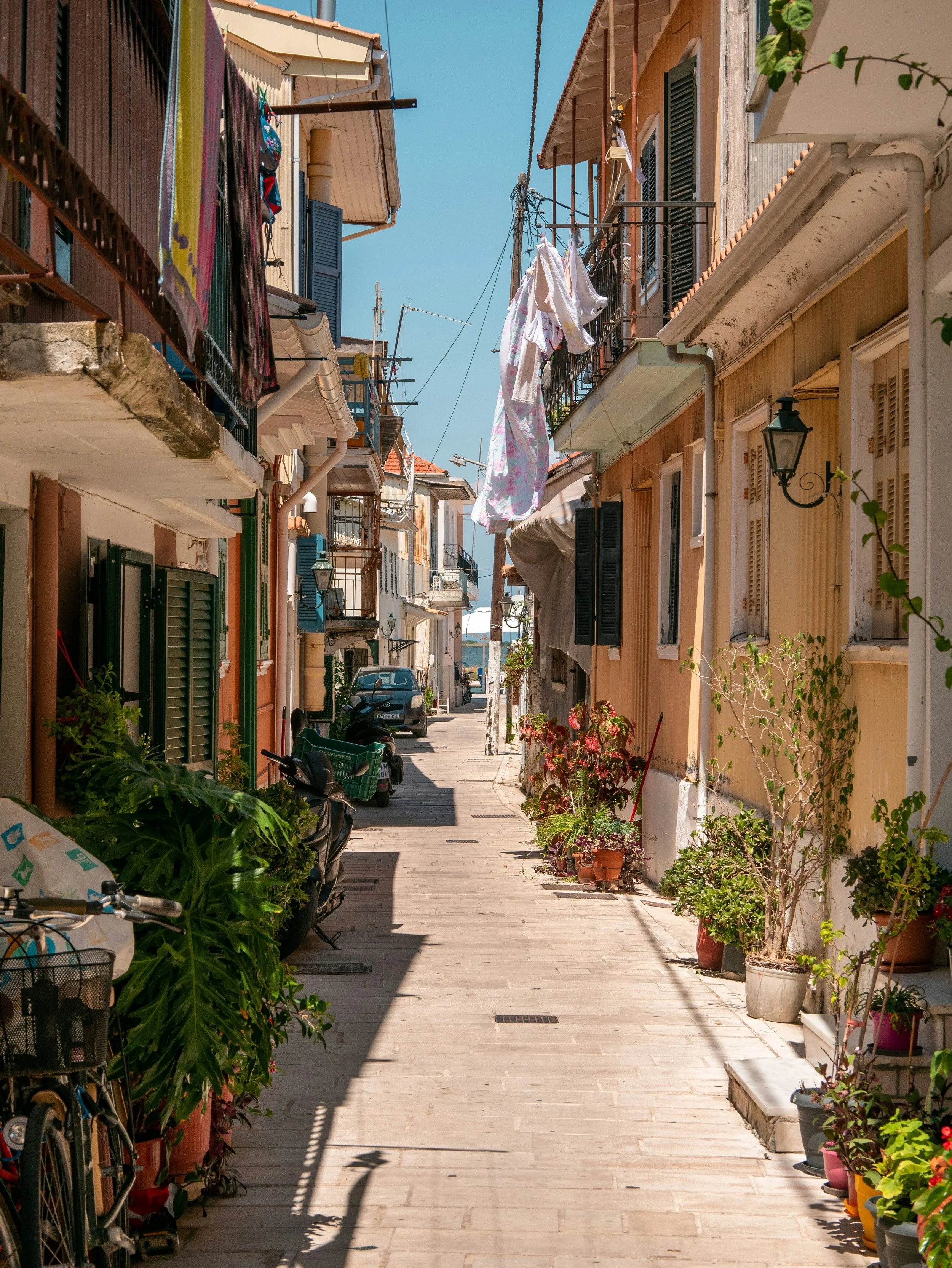
Lefkada Town
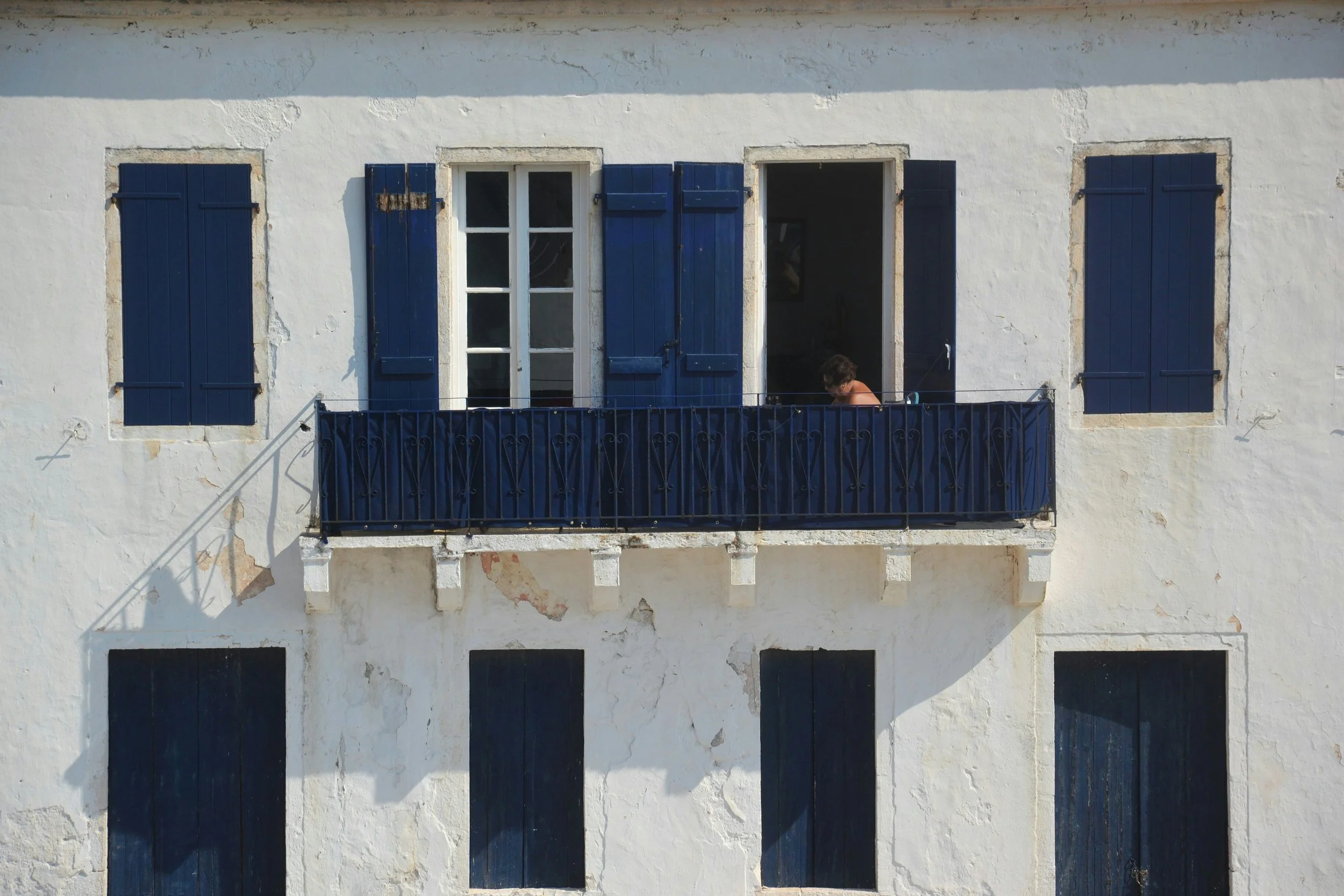
The island’s lively main centre blends Venetian architecture with waterfront promenades and centuries of history. Once ruled by the Venetians, Ottomans, and British, the town carries traces of each era in its pastel facades, narrow alleys, and elegant squares.
Stroll past colourful wooden houses built after the 1948 earthquake, browse boutiques selling local crafts, and stop for coffee in bustling plazas.
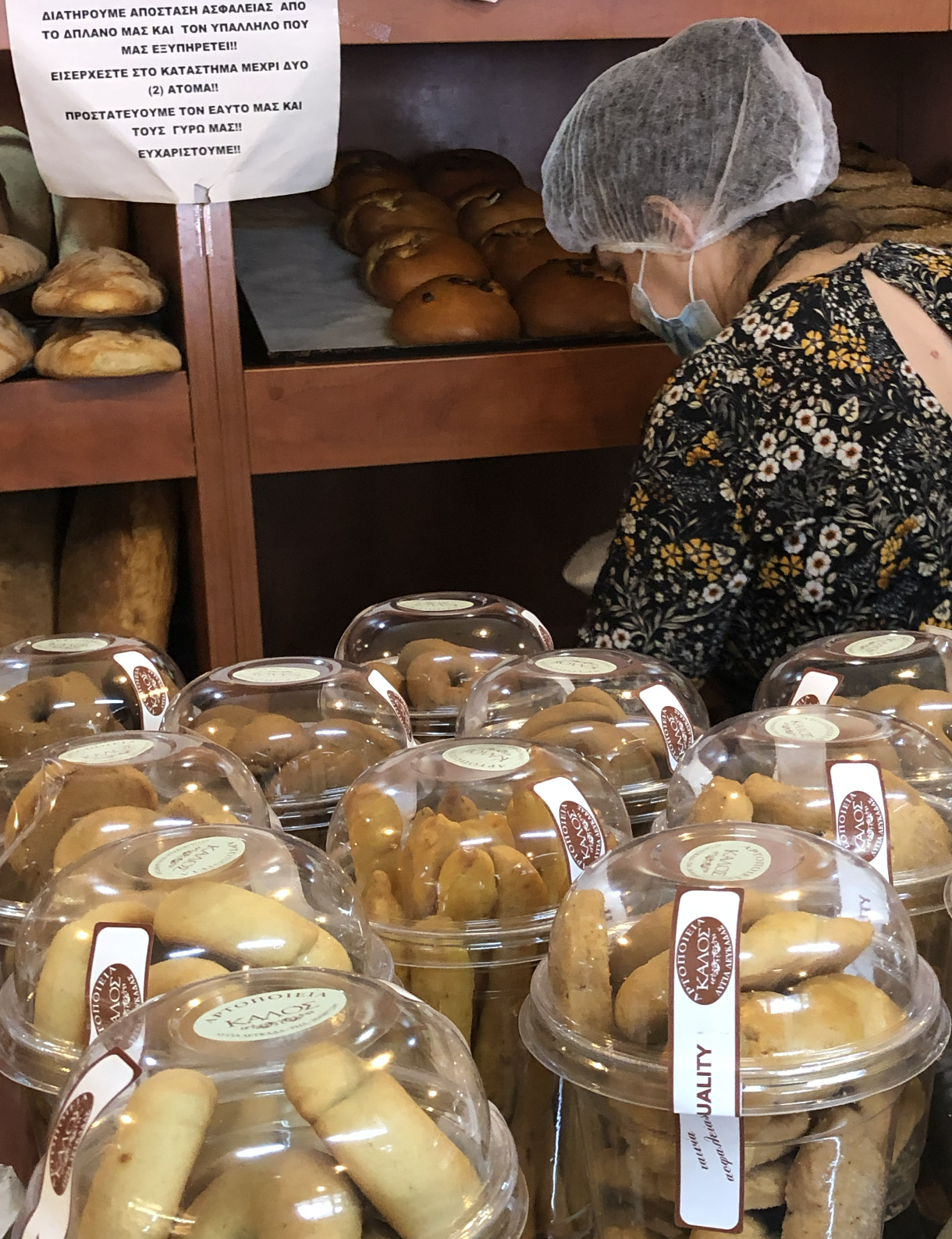
The marina fills with yachts in summer, giving Lefkada Town a cosmopolitan atmosphere, while its backstreets reveal quiet chapels, small museums, and family-run bakeries.
As the capital of the island, it offers both a practical base and a rich cultural experience before you set off to explore beaches and villages across Lefkada.


Where to Eat in Lefkada
Food is part of Lefkada’s soul, and the island is famous for simple dishes made with honesty and local ingredients. Think lentil stew from Eglouvi, freshly grilled fish pulled from the Ionian, and loukoumades dripping with honey. Eating here is an experience as much as a meal — travellers come to Lefkada for the views, the atmosphere, and the flavours.
Must-visit places to eat include:
Rachi Restaurant, Exanthia – Incredible sunset views with modern Greek flavours rooted in tradition.
T’ Aloni, Athani – Slow-cooked lamb and hearty village plates served with panoramic sea views.
Mavros Lagos, Lefkada Town – Refined seafood dishes that showcase the best of the Ionian.
Amente, Kathisma Beach – Creative cocktails and dining paired with one of the island’s best sunset spots.
Seaside tavernas in Sivota – Fresh octopus, fish, and pasta served right on the water.
Family-run eateries in Lefkada Town – Traditional recipes passed down for generations, with a warm welcome.
Karma Cafe in Lefakda Town - Great brunch stop, order the bougatsa pancakes.
Top Things to Do in Lefkada
Beyond the beaches, Lefkada is full of experiences that showcase its adventurous spirit, breathtaking landscapes, and Ionian charm:
Go paragliding in Rachi – Launch from the cliffs near Exanthia and glide above Lefkada’s famous turquoise bays with panoramic views.
Take a ferry to Meganisi – Just a short trip away, Meganisi is ideal for a beach day with hidden coves and laid-back tavernas.
Explore Lefkada Town – Wander Venetian alleys, visit small museums, and enjoy the island’s mix of history and modern life.
Swim at Nydri Waterfalls – Cool off in natural pools surrounded by lush greenery.
Windsurf in Vasiliki Bay – Known worldwide as one of the best spots for consistent winds and smooth sailing conditions.
Sunset dining at Rachi Restaurant – Pair a traditional meal with one of the best sunset views in Greece.
Sail to surrounding islets – Join a boat tour to Kalamos, Kastos, or Skorpios, once owned by Aristotle Onassis.
Hike to mountain villages – Visit places like Eglouvi for traditional lentil fields and breathtaking views over the island.
Relax at Kathisma Beach bars – Spend a day by the sea with cocktails, sunbeds, and vibrant energy.
Discover olive groves and local products – Sample Lefkada’s famous olive oil, honey, and homemade liqueurs in family-run shops.
Beach hop around Lefkada – Spend your days exploring world-class beaches like Porto Katsiki, Egremni, Kathisma, Milos, and Agios Ioannis, each offering its own mix of natural beauty and atmosphere.
Whats happening in LEFKADA

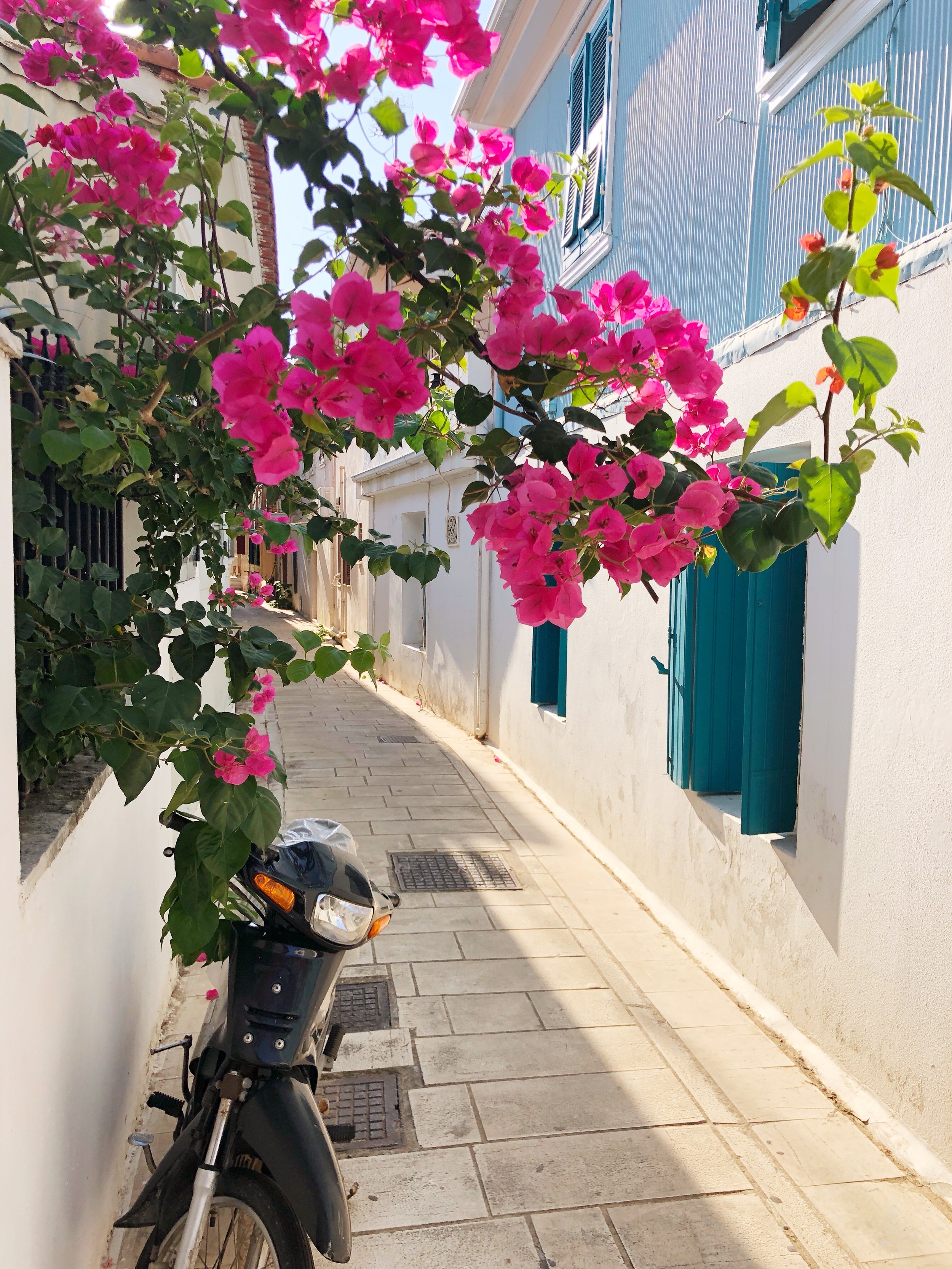
Charming Villages
Lefkada is dotted with villages that each tell a different story. Up in the mountains, you’ll find stone-built hamlets surrounded by olive groves and pines, while along the coast colourful fishing villages sit right on the water. Exploring them gives you a glimpse of both the island’s rugged heart and its easygoing seaside spirit.
Agios Nikitas
A car-free gem where cobbled streets lead to the sea. Its stone houses are draped with bougainvillea, and every lane seems to end in a taverna serving fried anchovies and ouzo. The beach here is small but lively, perfect for a quick swim between strolls and long lunches.
Sivota
A picturesque harbour lined with yachts and tavernas serving the day’s freshest catch. As evening falls, the quayside lights shimmer across the water while plates of grilled octopus and seafood pasta appear at tables. Sivota feels both cosmopolitan and intimate, a place to linger for hours over dinner.
Vasiliki
Relaxed and breezy, with a strong windsurfing culture and a laid-back waterfront. The bay is wide and shallow, ideal for beginners and experts alike, while the village itself buzzes with cafes, gear shops, and small hotels. It’s the kind of place where afternoons slip into evenings without you noticing.
Where to Stay in Lefkada
Choose boutique hotels in Lefkada Town for charm, beachfront studios in Agios Nikitas for barefoot days, or hillside villas with sweeping sea views.
For luxury, Villa Tempestini is a private retreat surrounded by olive groves with panoramic Ionian views.
Porto Galini Seaside Resort & Spa offers a private beach, pools, a spa, and rooms designed for true indulgence.
Walks and Nature
Nydri Waterfalls
A shady trail that ends in a cool pool, perfect for a midday dip. Best visited in spring and early summer when the flow is strongest.
Dimossari Gorge
Quiet and green, dotted with gentle cascades — a peaceful break from the beaches. Ideal for nature lovers who enjoy a calm hike.
Melissa Gorge
A hidden spot near Kavalos village where small waterfalls tumble into clear pools, surrounded by lush greenery.
Akoni Waterfalls
Close to Sfakiotes, these smaller falls are a local favourite for short walks and picnics.
Dimosari Springs
At the foot of Mount Stavrota, the springs feed into streams and smaller cascades, adding to Lefkada’s rich natural landscape.
Best Time to Visit Lefkada
Lefkada is a true summer island, with its tourism season shaped by the weather and local rhythms. The island comes alive from May through October, when the beaches, tavernas, and beach bars are buzzing and the sea is warm enough for endless swims.
May and June – The perfect months for those who want quieter beaches, lush green landscapes, and mild but sunny weather. Great for hiking and outdoor adventures before the heat of summer sets in.
July and August – Peak season. This is when Lefkada is at its liveliest, with long, hot days, warm seas, and a festive atmosphere. Expect busier beaches and higher prices, but also vibrant nightlife and events.
September – A sweet spot for many travellers. The water is at its warmest, the crowds start to thin, and the island feels more relaxed. It’s ideal for couples or families looking for a balance of activity and calm.
October – Early October still offers warm days and swimmable seas, but after the 20th of October many restaurants, beach bars, and hotels begin to close for the season. The island becomes quieter, and while it’s atmospheric, options for dining and accommodation are limited.
From November to April, Lefkada is mostly a locals-only experience. The beaches are wild and empty, the weather cooler and often rainy, and many tourist services shut down completely. While it’s not a traditional winter destination, this season reveals a slower, more authentic side of island life.
Outdoor Adventures
Windsurfing in Vasiliki Bay – One of Europe’s best spots, with steady afternoon winds ideal for both beginners and pros.
Kite surfing at Agios Ioannis – Just outside Lefkada Town, colourful kites fill the sky above shallow turquoise waters.
Hiking trails – Paths wind through olive groves, pine forests, and mountain ridges, with sweeping views of the Ionian Sea.
Boat trips – Visit nearby islets such as Meganisi, Kalamos, and Kastos to discover secluded beaches and hidden caves perfect for swimming and snorkelling.
Kayaking and paddleboarding – Explore the coastline at your own pace, finding coves and quiet stretches of sea.
Cycling – Ride along coastal roads or inland trails to see a different side of the island.
How To Get To Lefkada
Reaching Lefkada is refreshingly simple compared to other Greek islands. Unlike many destinations in the Aegean, there’s no need for a ferry if you don’t want one — a causeway connects Lefkada directly to the mainland. This makes it one of the most accessible islands in the Ionian.
By Car from Athens – The drive is around 360 kilometres and takes 5 to 6 hours. You’ll pass through the Rio–Antirrio Bridge and follow scenic coastal and mountain roads before reaching the island.
By Bus – KTEL buses run daily from Athens to Lefkada Town. The journey also takes roughly 5 to 6 hours and is a convenient, budget-friendly option for travellers who prefer not to drive.
By Air – Fly into Aktion National Airport (Preveza), just 20 minutes from Lefkada. Direct seasonal flights connect with Athens and several European cities, making it easy for international visitors.
By Sea – While no direct ferries run from Athens, you can arrive in Lefkada by private yacht or small ferries from nearby islands such as Kefalonia, Ithaca, and Meganisi.
Whichever way you arrive, the journey to Lefkada is part of the adventure — a chance to take in the changing landscapes of mainland Greece before being greeted by some of the most stunning beaches in the world.
Frequently Asked Questions
-
Yes, and here's the honest answer: Lefkada delivers everything people imagine when they picture a Greek island holiday, but without the ferry drama or Santorini prices. You get turquoise water that looks photoshopped (it's not), cliff-backed beaches that regularly make "best in Europe" lists, and mountain villages where yiayias still hang washing across the lane. The fact that you can drive straight onto the island from mainland Greece makes it one of the easiest Greek islands to reach, especially if you're road-tripping from Athens or combining it with Meteora, Delphi, or Parga. It's not undiscovered, but it hasn't been polished into a luxury cliché either.
-
There's no direct route, so you're looking at connections. Most Australians fly into Athens, then either:
Fly to Aktion (Preveza) Airport: About 1 hour from Athens on a domestic flight, then 20 minutes by car to Lefkada. This is the fastest option.
Drive from Athens: Around 5 hours on good roads, entirely doable if you want flexibility or plan to stop along the way (Delphi, Galaxidi, or the coastal route through Rio-Antirrio bridge).
Take the KTEL bus: Leaves from Kifissos station in Athens and takes about 5.5 hours. Budget-friendly but less comfortable.
If you're flying into Athens first, check out our guide to travelling to Greece from Australia for logistics on visas, packing, and timing your trip.
-
Technically, Lefkada is an island. But it's connected to mainland Greece by a floating causeway and swing bridge, which means you can drive straight on without catching a ferry. The bridge opens every hour to let boats through, so if you're crossing at the wrong moment, you'll wait about 10 minutes watching yachts glide past. Some people argue this makes Lefkada "not a real island." Those people are missing the point.
-
Five to seven days hits the sweet spot. That gives you time to beach-hop properly (Porto Katsiki alone deserves a full morning), take a boat trip to Meganisi or Atokos, explore the mountain villages without rushing, and still have a day for windsurfing in Vasiliki or floating in a cove somewhere with a cold Mythos in hand.
If you only have three days, you can see the highlights, but you'll feel like you're ticking boxes. More than a week, and you can properly slow down into island time.
-
September is the sweet spot for most travellers. The sea is still warm (around 24-25°C), the summer crowds have thinned, the light turns golden in the afternoons, and you won't be fighting for parking at Porto Katsiki.
May and June are gorgeous if you prefer wildflowers over sunbathing, though the water is still waking up.
July and August bring the energy: beach bars pumping, Vasiliki packed with windsurfers, nightlife in full swing. But the popular beaches get crowded by 11am, and accommodation prices peak.
October can be lovely early in the month, but many seasonal businesses close after the 20th, and you'll find a quieter, more local island. For a deeper dive on timing, see our best time to visit Greece guide.
-
Yes. Lefkada is larger than it looks on the map, buses are limited, and the best beaches hide down winding roads that would take hours to walk. A car also lets you time your crossings over the causeway bridge (it swings open hourly) and escape to quieter coves when the main beaches fill up. If you're not comfortable driving, a scooter works for shorter trips, but the mountain roads to places like Egremni are steep and twisty.
-
A few things:
Beaches: Porto Katsiki, Egremni, and Kathisma regularly appear on "best beaches in Greece" and "best beaches in Europe" lists. The west coast is dramatic, with white cliffs dropping into absurdly blue water.
Skorpios Island: The private island where Aristotle Onassis married Jackie Kennedy. You can't step foot on it (unless you're a billionaire guest), but boat tours circle it and guides love telling the stories.
Windsurfing: Vasiliki is one of Europe's top windsurfing spots thanks to a reliable afternoon thermal wind locals call "Eric."
The Sappho legend: Ancient myth says the poet Sappho threw herself from Cape Lefkatas over unrequited love. It's probably not true, but it adds to the island's romantic mystique.
-
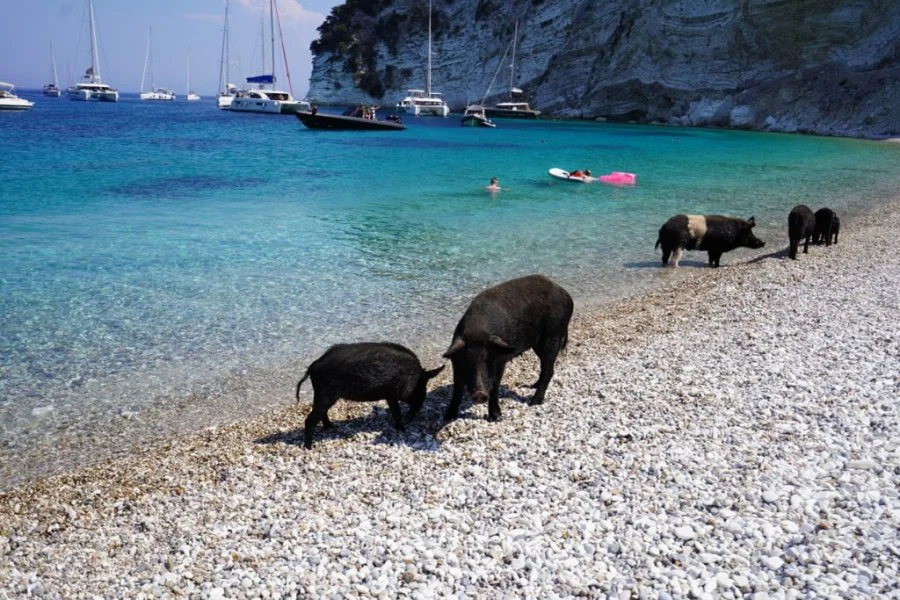
No. Skorpios is privately owned and closed to visitors. It's currently held under a 99-year lease by Russian billionaire Dmitry Rybolovlev and is being developed into an ultra-exclusive resort. Boat tours from Nidri will take you close enough to see the beaches and hear the Jackie O stories, but you can't land. If you want the private island experience without the private island price tag, try chartering a boat to Atokos instead, where the only residents are wild pigs.
-
The west coast has the showstoppers:
Porto Katsiki: The famous one. White cliffs, impossible blue water, accessed via stairs from a clifftop car park. Arrive before 10am in summer or you'll be parking on the road and walking.
Egremni: Wilder and less developed than Porto Katsiki. Over 300 steps down (and back up), but worth it for the sense of having earned your swim.
Kathisma: The longest beach on the island. Sandy, organised with loungers and beach bars, popular with paragliders launching from the cliffs above.
Mylos Beach: Small, pretty, reached by foot from Agios Nikitas or by taxi boat. Good for a quieter morning.
The east coast beaches (near Nidri and Nikiana) are calmer and more family-friendly, with shallower water and less drama.
-
Generally, yes. Lefkada's tap water is drinkable in most areas, unlike some other Greek islands where desalination makes it taste unpleasant. That said, many locals and visitors still buy bottled water out of habit. If you're staying in a rental, ask your host. Bringing a reusable bottle and refilling it is the more sustainable move.
-
Lefkada has its own culinary identity, shaped by the Ionian and a history of self-sufficiency:
Savoro: Fish pan-fried and finished with a rosemary-vinegar sauce. Simple and sharp.
Eglouvi lentils: Grown in the mountain village of Eglouvi, these tiny lentils are famous across Greece. You'll find them in soups, salads, and stews.
Ladopita: An olive oil pie that sounds plain but is rich and satisfying, especially from a village bakery.
Salami Lefkados: A local cured meat with garlic and peppercorns, Venetian-influenced.
Mandolato and pasteli: Traditional sweets made with almonds and honey.
Pair meals with Vertzami, a local red wine, or keep it classic with ouzo.
-
Yes. The east coast beaches (Nikiana, Ligia, Nidri area) have calmer water and easier access than the dramatic west coast. There are no big waves, the water stays shallow longer, and several beaches have facilities. Meganisi makes a great day trip with kids, and the Nidri waterfalls are an easy walk. Just be careful on the stairs at Egremni and Porto Katsiki with little ones, as they're steep and tiring.
-
Different vibe entirely. The Cyclades (Santorini, Mykonos, Paros, Naxos) have that classic whitewashed-and-blue aesthetic, dry landscapes, and Aegean light. Lefkada is greener, more rugged, and feels less "designed." It's part of the Ionian Islands, which have a different history (Venetian rather than Ottoman influence) and a different feel: more Italian, more lush, more laid-back. If you want turquoise water without the Cycladic crowds and prices, Lefkada delivers.
-
The Euro (€). Credit cards are widely accepted in restaurants, hotels, and larger shops, but bring cash for parking fees, small beach canteens, and village bakeries. ATMs are available in Lefkada Town, Nidri, and Vasiliki.
-
Less so than the Cyclades or other popular Greek islands. Accommodation, food, and car hire are all cheaper than Santorini or Mykonos. A decent meal for two with wine will run €40-60 at most tavernas. Beach loungers are typically €8-15 for a set. Budget travellers can manage on €80-100 per day (excluding accommodation), while mid-range travellers spending €150-200 per day will eat well and stay comfortably.
-
Yes, but it's different from Cycladic island-hopping. Lefkada connects to the Ionian Islands by ferry:
Meganisi: 25 minutes from Nidri. Small, slow-paced, and perfect for a day trip or overnight.
Kefalonia: Ferry from Vasiliki to Fiskardo (about 1 hour). Kefalonia is larger and wilder.
Ithaca: Also reachable from Vasiliki via Frikes.
Corfu: No direct ferry, but you can drive to Igoumenitsa on the mainland and catch a boat.
For spontaneous day trips, the boat excursions from Nidri to Skorpios, Meganisi, and the Papanikolis Cave are the easiest option.
-
Reef shoes or sturdy sandals: Many beaches are pebbly, and the stairs at Egremni and Porto Katsiki are uneven.
Sunscreen and a hat: The Greek sun is relentless, especially in July and August.
A light jacket: Evenings can be breezy, especially near the water or up in the mountain villages.
Snorkelling gear: Optional, but useful if you want to explore coves without hiring equipment.
Cash: For parking, beach canteens, and villages where cards aren't always accepted.
For a full packing list tailored to Greece, check our guide to travelling to Greece from Australia.
-
Very. Greece is one of the safest countries in Europe, and Lefkada is quieter than most tourist destinations. Petty crime is rare, locals are helpful, and the biggest risks are sunburn and overestimating your stamina on beach stairs. Use common sense with valuables, drive carefully on mountain roads, and respect the sea (some west coast beaches have strong currents).
-
Greek. English is widely understood in tourist areas, hotels, and restaurants. In smaller villages and among older locals, you might need to gesture or use a translation app. Learning a few Greek phrases (kalimera, efharisto, parakalo) goes a long way.