
Where Not to Stay in Athens - A Straight-Talking Guide
Everyone tells you where to stay in Athens. Plaka. Koukaki. Kolonaki. The usual suspects. But nobody wants to tell you where not to stay, because it sounds negative, because it might offend someone, because travel writing is supposed to be relentlessly positive.
Here's the thing: Athens is genuinely safe. Greece consistently ranks as one of the safest countries in Europe for tourists, and the US State Department gives it a Level 1 rating. The worst you'll likely encounter is a pickpocket on a crowded metro. But "safe" and "good place to base yourself" are different conversations entirely. Some neighbourhoods are perfectly fine to walk through during the day but less pleasant to stumble back to at night. Others are so far from anything you'd want to see that you'll spend half your holiday on public transport.
A practical guide, not a scare piece.
Already sorted on accommodation? Pair this with our best museums in Athens guide for what to actually do once you have unpacked.
Is Omonia Safe for Tourists
Omonia Square sits at the heart of Athens, a major transport hub where multiple metro lines converge. It's also where you'll find some of the cheapest hotels in the city centre. There's a reason for that.
The square itself has improved dramatically over the past few years. New boutique hotels have opened, cafes have multiplied, and the city has invested heavily in cleaning the area up. During daylight hours, Omonia is busy, functional, and perfectly walkable. The nearby Central Market (Varvakios Agora) is worth visiting for the spectacle alone.
But the streets radiating off Omonia, particularly to the north and west, remain Athens' grittiest territory. This is where you'll encounter visible drug use, people sleeping rough, and an atmosphere that feels different from the rest of central Athens. If you're staying in a budget hotel around here and walking back at midnight, you're going to feel it.
The real issue isn't danger. Violent crime against tourists is rare. The issue is that you'll spend your Athens trip feeling on edge instead of relaxed, calculating routes back to your hotel instead of wandering freely. For a few extra euros per night, you could be in Koukaki or Psiri instead.
The practical advice: If you've already booked near Omonia, take taxis back at night. Stick to the main avenues like Stadiou or Panepistimiou, which stay busy and well-lit. The hotel itself is probably fine. It's the approach that's the issue.
Is Metaxourgeio Safe to Stay In
Metaxourgeio sits right next to Omonia, and the neighbourhood often gets bundled into the same "avoid" category. That's not quite fair. Metaxourgeio is genuinely in transition, with artists, galleries, and hip cafes moving into former industrial spaces. The Municipal Gallery of Athens is here. The National Theatre is just up the road. It's the kind of neighbourhood that travel magazines will be calling "up and coming" for the next decade.
But transitional means uneven. One street has a craft coffee shop and restored neoclassical buildings. The next has shuttered storefronts and feels abandoned. The area around Metaxourgeio metro station specifically has a reputation for petty crime after dark.
If you're the kind of traveller who enjoys urban grit and doesn't mind trading polish for authenticity, Metaxourgeio might actually appeal. It's genuine Athens, not tourist Athens. But if you want to wander freely at 11pm without thinking twice, base yourself somewhere else and visit Metaxourgeio during the day.
Is Exarchia Safe to Visit
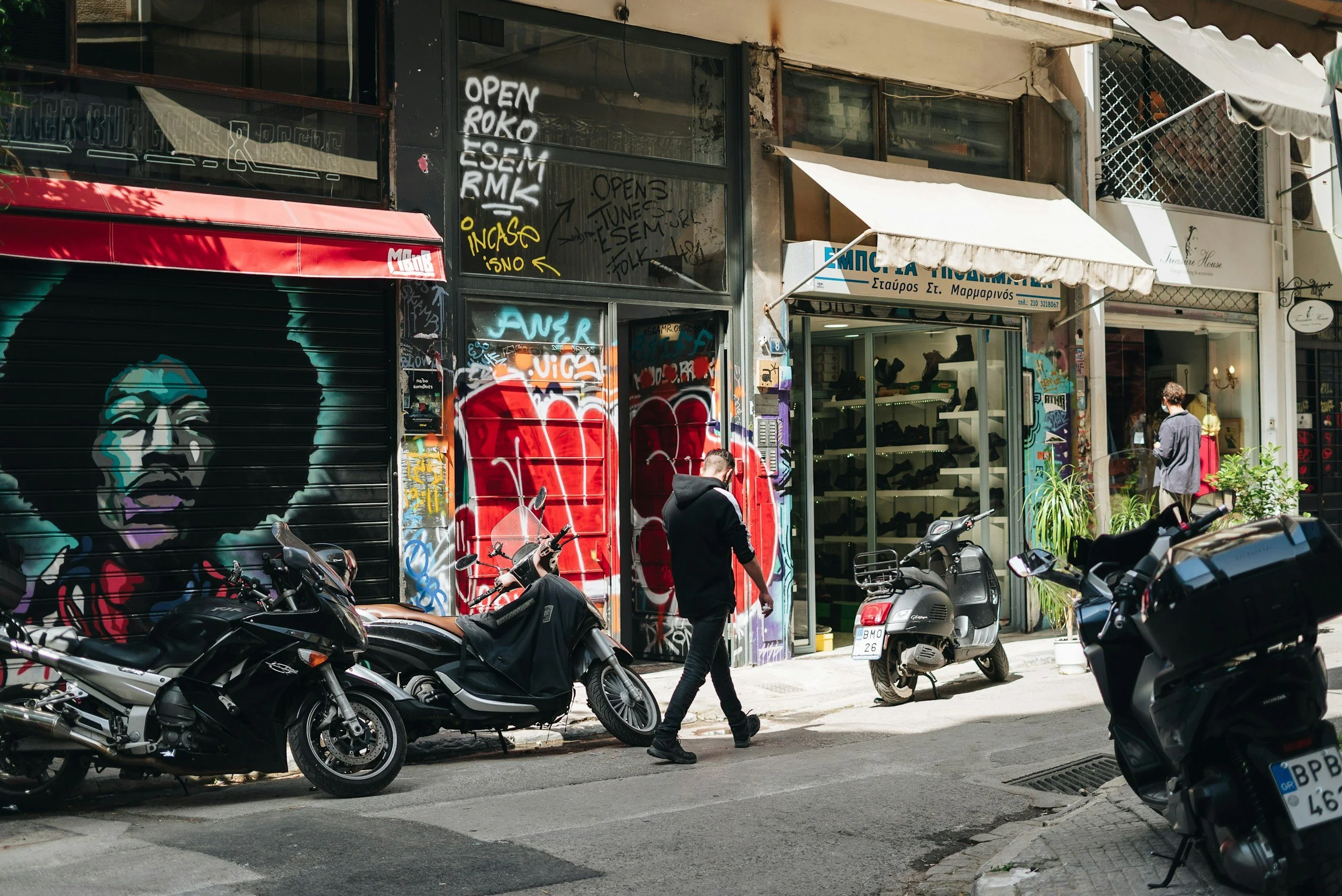
Exarchia is Athens' anarchist neighbourhood, and it deserves its own category because it's genuinely interesting rather than simply rundown. This is where the revolution against the military junta started in the 1970s. The streets are covered in political graffiti, not gang tags but actual statements. Independent bookshops, vinyl record stores, live music venues, and student bars crowd every corner. The energy is unlike anywhere else in Athens.
The neighbourhood has gentrified significantly over the past decade. Police now patrol regularly (which the locals resent). Plenty of tourists visit the famous street art and stay for cheap beers in the squares. During the day, Exarchia is vibrant and fascinating.
The complications come at night. Protests still happen here, occasionally resulting in clashes with police. Some squares attract drug activity after dark. The vibe shifts, and unless you're comfortable navigating that, walking back to your Airbnb at 2am might feel more adventurous than you'd planned.
Who Exarchia is actually for: Budget travellers who prioritise authenticity over comfort. People who specifically want to experience Athens' counter-culture. Anyone who'd feel at home in Berlin's Kreuzberg or London's Camden in the 1990s.
Who should stay elsewhere: First-time Athens visitors. Families with children. Anyone who wants their accommodation to feel like a retreat after a long day of sightseeing.
Why You Shouldn't Stay in Patisia or the Northern Suburbs
Most tourists will never accidentally end up in Patisia. It's residential, far from the main attractions, and has nothing in particular to recommend it to visitors. But cheap accommodation exists here, and someone booking online might not realise how far removed it is from central Athens.
The neighbourhood isn't unsafe. It's simply inconvenient. You'll add 30 to 45 minutes each way to reach the Acropolis or Plaka. The streets are busy with local life but empty of anything a tourist would want to see. There's no there there, from a visitor's perspective.
The same applies to other far-flung suburbs like Aigaleo, Peristeri, or Nea Ionia. Greeks live their everyday lives in these areas, but you're not here for everyday life. You're here for the Parthenon and the tavernas and the rooftop bars with Acropolis views. Don't strand yourself in a residential suburb to save €20 a night.
Skip Kolonos, Sepolia, and Vathi Square Too
Kolonos gets mentioned in most "areas to avoid" guides, and lower Kolonos in particular has a genuine reputation for drug-related crime. The streets around Plateia Attikis can feel rough. Unless you have a specific reason to be here (you don't), there's no need to stay.
Vathi Square (also called Victoria Square) is another area that appears on most warning lists. It's a working-class neighbourhood with a large immigrant population, and while it's not dangerous during the day, the area around Vathi Square and the nearby streets can feel uncomfortable after dark.
Sepolia is similar: a working-class residential neighbourhood with nothing to offer tourists except distance from anything they'd want to see. It's not dangerous, but it's also not interesting, and you'll waste time getting to and from central Athens.
Is Monastiraki Safe at Night?
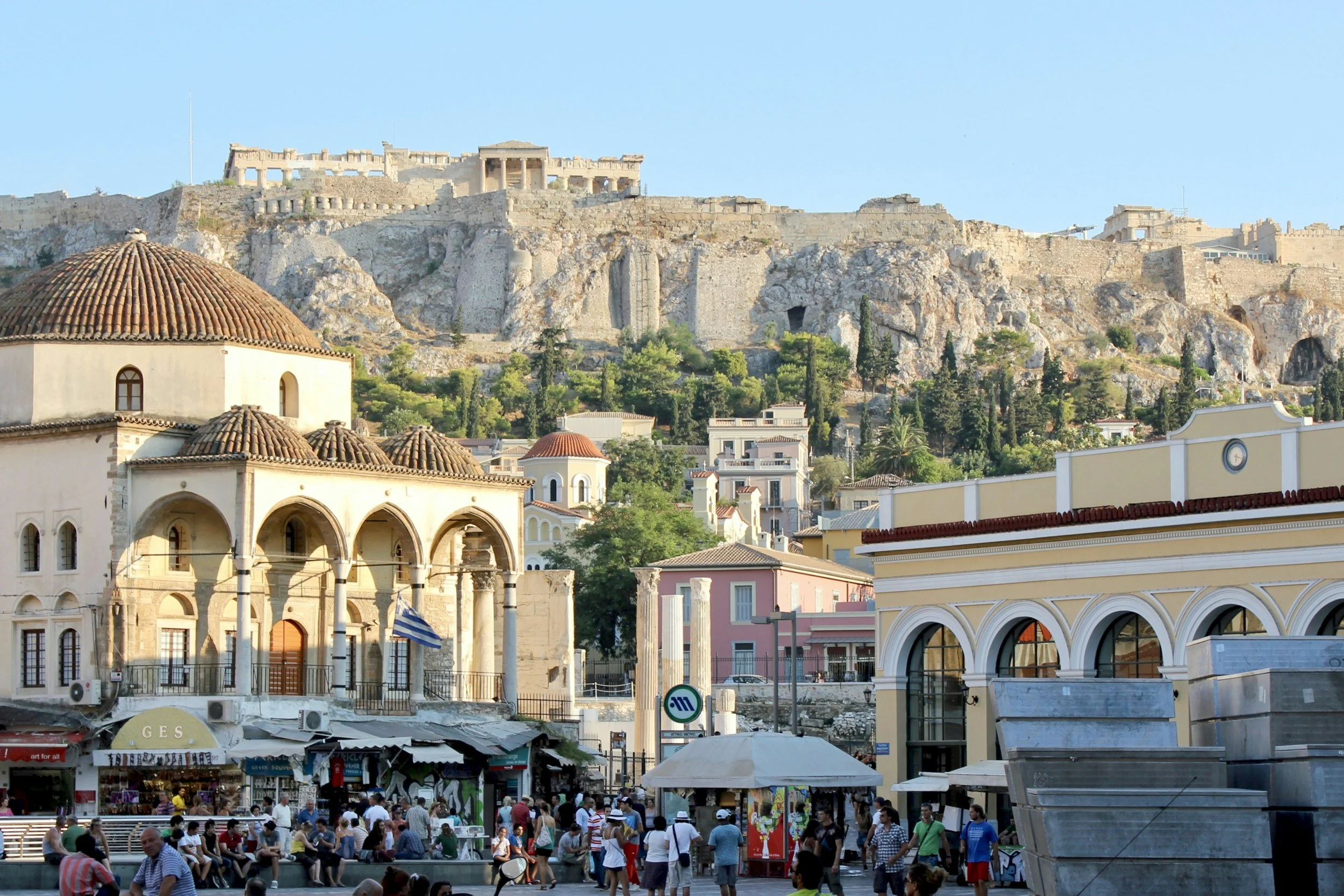
These neighbourhoods get complicated advice, because they're also some of the most popular places to stay. During the day and evening, Monastiraki and Psiri are fantastic. The flea market, the street food, the rooftop bars, the proximity to the Ancient Agora. Hard to beat.
Late at night, the picture shifts. Monastiraki Square itself attracts crowds of people drinking in public, which can feel chaotic. The streets between Monastiraki and Thissio get quiet and dark. Pickpocketing increases as tourists get drunk and careless.
This doesn't mean you should avoid staying here. It means you should stay aware. Keep your phone in your front pocket. Don't leave bags hanging on the back of chairs. Take main streets back to your hotel rather than dark shortcuts. Standard big-city precautions, applied.
Best Areas to Stay in Athens for Tourists
The classic recommendations exist for good reason.
Koukaki is the neighbourhood I'd choose first. It sits at the base of the Acropolis, feels residential and local, has excellent cafes and tavernas, and is significantly less touristy than Plaka while being just as convenient. The Syngrou-Fix metro station connects you to everything. Pickpockets don't bother with Koukaki because there aren't enough tourists to make it worthwhile.
Plaka is unapologetically touristy but undeniably charming. The narrow streets, neoclassical architecture, and proximity to literally everything make it hard to argue with. You'll pay more and eat worse than in Koukaki, but you'll be walking distance from the Acropolis, the Ancient Agora, and Syntagma Square. Police presence is constant.
Makrygianni (also called the Acropolis neighbourhood) offers the best of both worlds: close to Plaka but quieter, directly adjacent to the Acropolis Museum, with a more local feel. Hotels here often have rooftop views of the Parthenon, which never gets old.
Kolonaki is Athens' upmarket neighbourhood, full of designer shops and espresso bars where well-dressed Athenians sit and be seen. It's safe, elegant, and pleasant. The downside is you're further from the historic centre and will spend more on everything.
Thissio is leafy, quiet, and genuinely lovely. The pedestrianised streets along Apostolou Pavlou offer uninterrupted views of the Acropolis. Fewer hotels here than in Plaka or Koukaki, but if you find one, book it.
Syntagma is all about convenience. The metro station connects directly to the airport. You're central to everything. The hotels skew upmarket. It's busy and impersonal, but functional.
Staying on the Athens Riviera
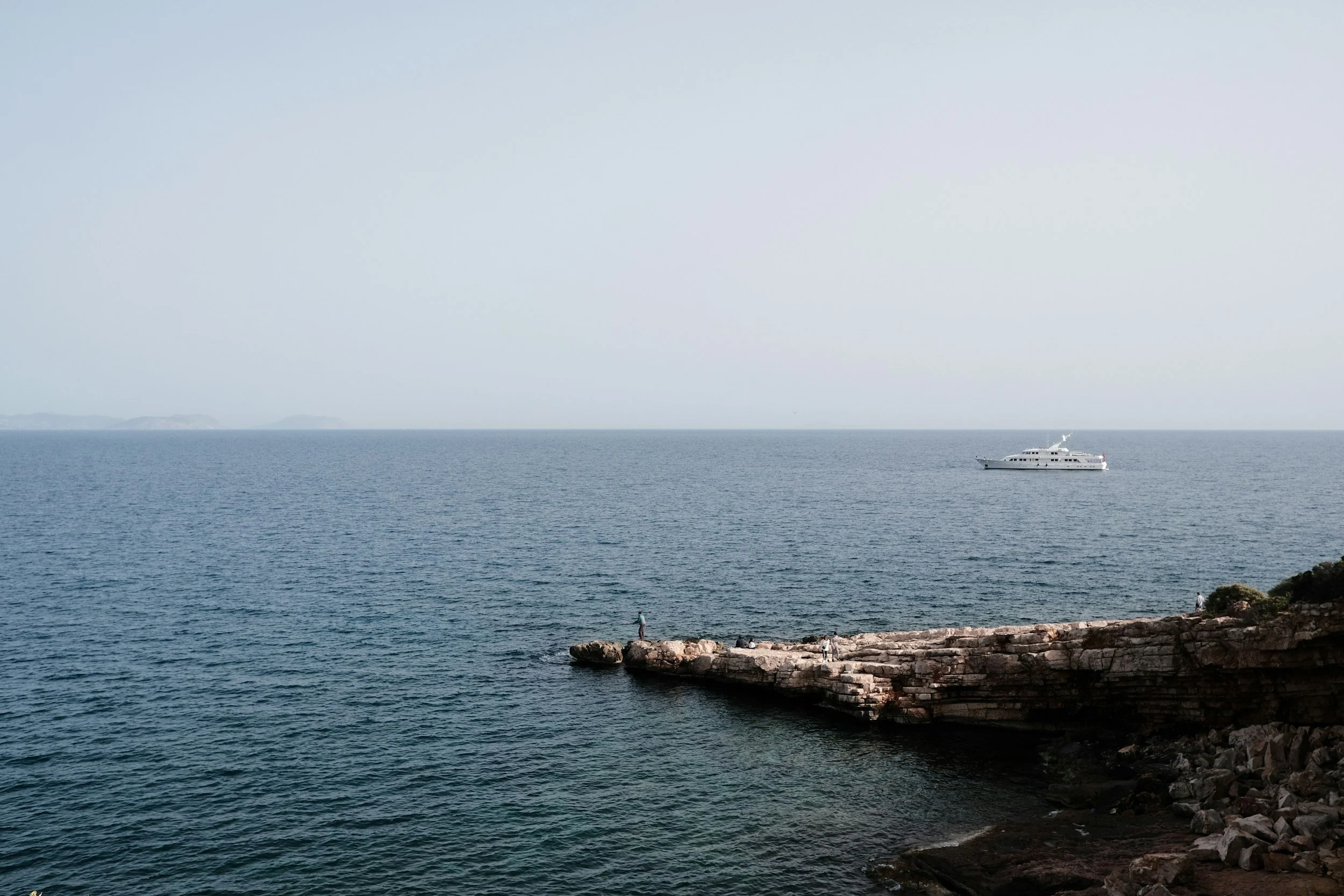
If you've got more time or want a different pace entirely, consider the coastal suburbs south of the city. The tram from Syntagma runs along the waterfront, connecting you to beaches, seafood tavernas, and a completely different Athens experience.
Glyfada is the most accessible option, about 30 minutes from the centre by tram. It's upmarket and busy, with beach clubs, shopping strips, and a nightlife scene that attracts wealthy Athenians. Think of it as Athens' answer to a resort town. You can easily day-trip into the centre for the Acropolis and museums, then retreat to the coast.
Vouliagmeni is quieter and more exclusive, known for its thermal lake and luxury hotels. It's where Athenians go for a proper beach day. Further from the centre than Glyfada, so you'll need to factor in travel time, but if you're combining Athens sightseeing with genuine relaxation, it's worth considering.
The trade-off is obvious. You'll spend more time commuting to the historic sites, and you won't get that "walking distance from the Parthenon" experience. But if you've already seen Athens before, or you're here for a week and want variety, the Riviera offers something the city centre can't.
How to Choose Where to Stay in Athens
Athens is a safe city with a few neighbourhoods where budget accommodation comes at a hidden cost: the constant low-level stress of navigating unfamiliar urban grit. You can absolutely stay near Omonia and have a fine trip. Plenty of people do. But if you're choosing where to base yourself, choose somewhere that lets you relax.
The difference between a €60 hotel near Omonia and an €80 hotel in Koukaki is one fancy cocktail. Spend the cocktail money on peace of mind instead.
Frequently Asked Questions
Is Athens safe for tourists?
Yes. Athens is one of the safest capital cities in Europe, with a US State Department Level 1 rating. Violent crime against tourists is rare. The main concern is pickpocketing, particularly on the metro and at crowded tourist sites like Monastiraki Square.
What areas should I avoid in Athens?
The main areas to avoid for accommodation are Omonia (and the surrounding streets), Metaxourgeio, Exarchia, Vathi/Victoria Square, Kolonos, and the far northern suburbs like Patisia. These areas aren't dangerous, but they're either gritty, inconvenient, or both.
Is Omonia dangerous?
Omonia Square itself has improved significantly and is busy with shops, cafes, and new hotels. The side streets to the north and west of the square remain Athens' grittiest area, with visible drug use and rough sleeping. It's fine during the day but less pleasant to walk through at night.
Is Exarchia safe to visit?
During the day, Exarchia is fascinating and perfectly safe to explore. It's Athens' counter-culture hub with excellent street art, record shops, and cheap bars. At night, the atmosphere shifts and occasional protests can occur. It's better visited than stayed in, unless you specifically want the alternative experience.
What is the safest area to stay in Athens?
Koukaki, Plaka, Makrygianni, Kolonaki, and Thissio are all safe, central, and convenient. Koukaki offers the best balance of local atmosphere, proximity to the Acropolis, and value for money.
Is it safe to walk around Athens at night?
In central tourist areas like Plaka, Koukaki, Monastiraki, and Syntagma, yes. Stick to main streets, keep your phone in your front pocket, and avoid quiet backstreets in areas like Omonia or Metaxourgeio. The metro runs until midnight and is safe to use.
