
The Ultimate Guide to Travelling to Greece from Australia
Updated Jan 16 2026
I've been travelling to Greece from Australia for most of my life. Adelaide to Athens, the red-eye through Singapore or Dubai or Doha, the ferry queue at Piraeus at 6am when you're too wired to sleep and too tired to think. My father is from a small island in the Ionians, so Greece was never a holiday destination. It was just where we went.
But I've also planned this trip for other people. Friends who've never been. Clients who want more than a Santorini selfie. People who felt the pull and didn't know where to start.
This is the Greece travel guide I wish I'd had the first time. Flights, ferries, visas, timing, money, what to pack, what not to book. Everything that makes the difference between a trip that ticks boxes and one that actually changes something in you.
Greece rewards the people who slow down. So take your time with this guide, and then go take your time over there.

Flights
Surviving your long-haul flight from Australia to Athens
How far is Greece from Australia?
From Sydney or Melbourne, you’re usually looking at 19 to 25+ hours in the air once you factor in stopovers. From Adelaide, Brisbane, and Perth, it can land anywhere in that same range depending on connections.
It sounds brutal on paper, but it’s very doable. The trick is treating the flight like its own little mission, not “dead time”.
Tiny things that make a long-haul feel 10x better
Book an aisle seat if you hate feeling trapped. You’ll drink more water and move more, and you won’t have to play the awkward “excuse me” game.
Bring a real layer. Planes are freezing, Doha at 2am is freezing, and your body will thank you.
Pack snacks you actually like. Airline food is fine until it’s hour 18 and you’d sell your soul for a salty cracker.
Don’t wear tight jeans. Greece is not impressed by your denim commitment.
Jet lag, but make it survivable
If you want to arrive in Greece feeling human:
Start shifting your sleep 2–3 days before you fly (even by 30–60 minutes helps)
Hydrate early (water on the first flight, not just once you feel wrecked)
Caffeine cut-off at least 6 hours before you land in Athens
Go outside on day one even if you feel like a zombie. Sunlight resets your body clock faster than anything else
Flights from Australia to Greece
Most Aussies fly into Athens (ATH). It’s the easiest gateway, and honestly, it deserves more than a stopover.
The main thing to know is this, you’re almost always doing one stop. Sometimes two, depending on your city and how picky you are about flight times.
The best routes (and why they work)
You’ll see a few hubs come up again and again because they’re efficient, comfortable, and have good onward connections into Europe.
Doha (Qatar) A favourite for Athens-bound trips because it’s one connection and Hamad Airport is genuinely easy to transit.
Dubai (UAE) Classic option with loads of flight times, good if you want flexibility.
Singapore Best if you want a stopover that feels like a mini holiday. Also, everything runs on time.
Istanbul Solid option if you don’t mind a slightly longer journey, and you want a different airline mix.
Flights from each Australian city (what to book)
I’m going to save you the chaos of 27 browser tabs.
Adelaide to Greece
If you’re flying from Adelaide, you’ve got one huge advantage.
Qatar Airways flies direct from Adelaide to Doha. That means you can do:
Adelaide → Doha (direct)
Doha → Athens
It’s one of the cleanest ways to get from Adelaide to Greece without weird domestic connections first.
Tip, if you can line up a layover in Doha that’s not painfully short (or outrageously long), your future self will thank you.
Sydney to Greece
Sydney gives you the most choice. If you’re building a bigger Greece trip (islands + mainland), it’s worth pairing your flights with the right travel season too. This guide helps: The Best Time to Visit Greece (Month-by-Month Breakdown). Your best one-stop combos are:
Sydney → Doha → Athens
Sydney → Dubai → Athens
Sydney → Singapore → Athens
If you want the smoothest experience, Doha is usually the winner.
Melbourne to Greece
Melbourne is similar to Sydney, plenty of one-stop options:
Melbourne → Doha → Athens
Melbourne → Dubai → Athens
Melbourne → Singapore → Athens
If you’re travelling in peak season (June to August), book earlier than you think you need to.
Brisbane to Greece
Brisbane often involves one stop, but the flight timings can be a bit less dreamy.
Good combos include:
Brisbane → Doha → Athens
Brisbane → Dubai → Athens
Brisbane → Singapore → Athens
If you’re seeing awkward connections, it can be worth comparing a quick hop to Sydney or Melbourne first, then flying out from there.
Perth to Greece
Perth is surprisingly strong for Greece because you’re already closer.
The best options are usually:
Perth → Doha → Athens
Perth → Dubai → Athens
Sometimes Perth travellers get better prices and flight times than the eastern states, so don’t assume you’ll pay more. (Perth also pairs really nicely with Ionian island itineraries, like Lefkada, which is one of the easiest islands to reach.)
Should you do a stopover?
If you can swing it, a stopover can save your sanity.
I once did a long layover in Singapore and it weirdly reset my body clock. Also, hawker centre dumplings. Big win.
A stopover is worth it if:
you’re travelling with kids
you’re going for 3+ weeks and don’t want to arrive wrecked
you’re doing a bucket-list trip and want to start it feeling human
How long should your layover be?
This part matters more than people realise.
2–3 hours is fine if your first flight is usually on time, and you’re not checking a mountain of luggage
3–5 hours is the sweet spot for most people (enough buffer, not too much boredom)
8+ hours only makes sense if you’ve booked a lounge, a hotel, or you’re doing a proper stopover
If you’re travelling in summer, or you’re landing during busy European transit hours, give yourself more breathing room.
The one booking tip that saves drama
Try to book your flights on one ticket if you can.
It’s not always cheaper, but it means:
your luggage is checked through
your connection is protected if delays happen
you’re not doing a full panic sprint through an airport with no backup plan
Visa Information for Greece
Travel rules to know before you book your ticket
Do Australians need a visa for Greece?
For most trips, no, not in the traditional “go to an embassy, fill out forms” way.
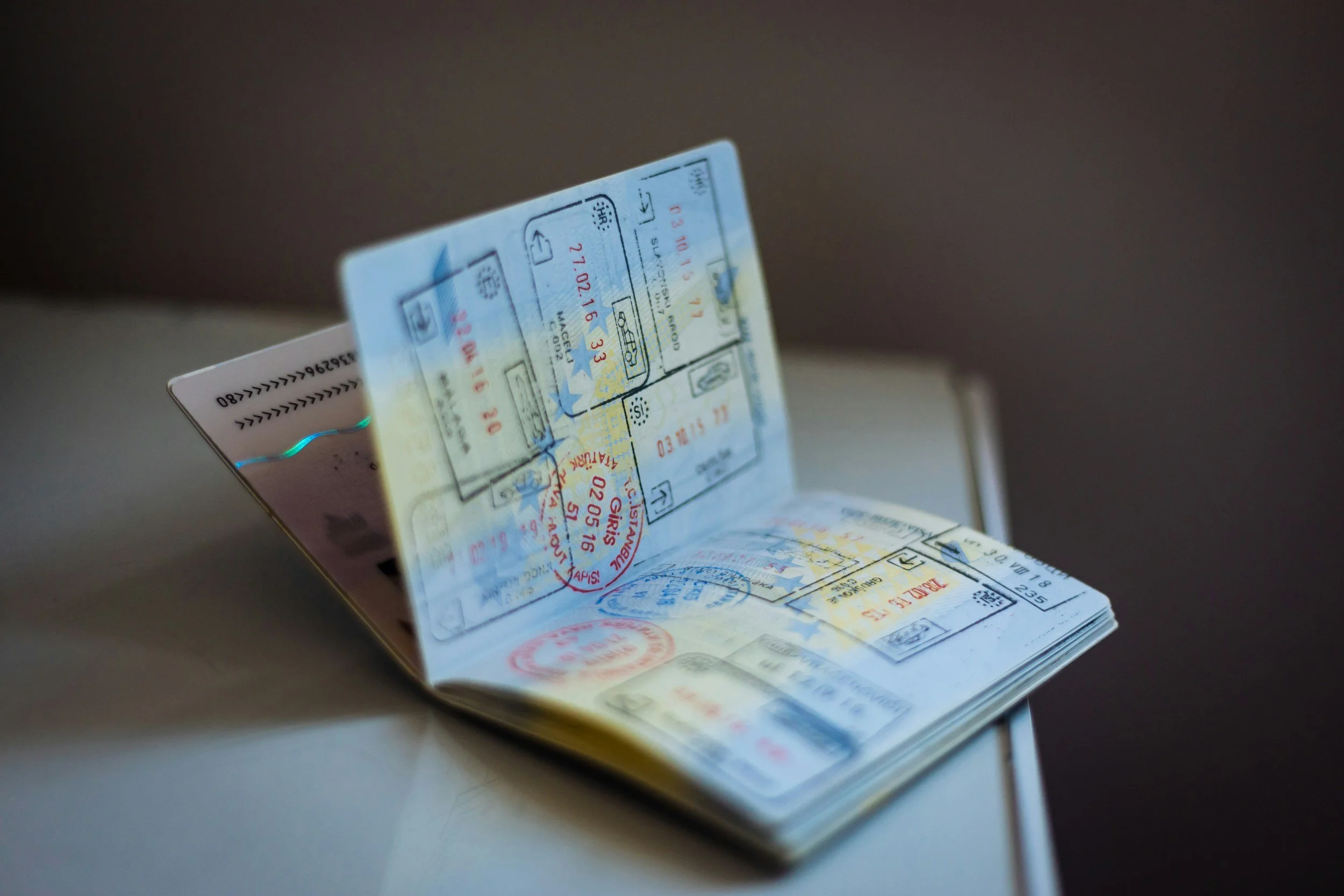
Australians can visit Greece (and the wider Schengen Area) visa-free for up to 90 days within any 180-day period for tourism.
But, there is a big change coming that you’ll hear called the “new visa”, even though technically it’s a travel authorisation.
The new visa requirement (ETIAS)
ETIAS is an online travel authorisation that visa-free travellers will need before entering most European countries.
It’s not live yet, but it’s expected to start in late 2026.
Here are the official links to keep bookmarked (and yes, I’d actually save these):
Official EU ETIAS page: European Union ETIAS
Australia’s travel advice (entry rules + ETIAS info): Smartraveller
Greece entry requirements for Australians: Smartraveller Greece
The other new system you’ll notice at the border (EES)
The EU has also introduced the Entry/Exit System (EES). This is the biometric system where travellers may need fingerprints and a photo taken when entering the Schengen Area.
You can read about it here:
Practical tip, this is the bit that can cause longer border queues. I’ve also written a straight-talking explainer on what changes for Aussies here: New EU Border Rules: What Aussie Travellers to Greece Need to Know. Don’t book a tight onward flight or ferry connection right after you land in Europe.
Things people forget (and get pulled up on)
This part is boring, but it’s the stuff that can trip you up at passport control.
Your passport should be valid for at least 3 months after you plan to leave the Schengen Area
You might be asked for proof of onward travel (a flight out, or a return ticket)
You might be asked where you’re staying (even just a hotel booking for the first few nights helps)
The 90/180 rule, in plain English
Your 90 days is shared across all Schengen countries, not just Greece.
So if you do:
3 weeks in Italy
2 weeks in Greece
2 weeks in Spain
That’s your Schengen clock ticking the whole time.
If you’re doing a longer Europe trip, use a Schengen calculator and track your days from the start. It’s annoying, but it’s better than border drama.

The Best Time to Visit Greece
So you don’t get caught on a closed island in winter
The Best Time to Visit Greece
This is the part people love to argue about. Both sides are right.
If you want the Pinterest version of Greece (sunshine, swims, late dinners), you’ll probably travel in summer. If you want Greece to feel calmer, cheaper, and more local, you’ll love shoulder season.
Here’s the honest breakdown.
Peak season (June to early September)
Hot, busy, expensive
Ferries sell out faster
Accommodation gets spicy in price
Athens can feel like a frying pan by lunchtime
August deserves its own warning label. It’s busy everywhere, and a lot of Greeks take holidays too, so you’ll feel that extra surge.
Shoulder season (May and September)
This is the sweet spot for most Australians.
Warm days
Swim-friendly water (especially September)
Restaurants and beach clubs still open
You can actually enjoy Athens without melting
If it’s your first Greece trip, I’d pick late May or mid-September. If you want the full month-by-month cheat sheet (temps, crowds, prices, the lot), read The Best Time to Visit Greece (Month-by-Month Breakdown).
Off season (October to April)
Off season Greece is gorgeous, just in a different way.
Athens is brilliant for museums, food, and neighbourhood wandering
Mainland road trips are easier
Islands can feel sleepy, with fewer ferries and reduced opening hours
Insider tip, if you’re travelling in winter and still want “island vibes”, focus on bigger islands (like Crete). They’re alive year-round.

Where to go in Greece
There’s way more to this glorious country
Where to go in Greece
This is the fun part.
If you’re trying to build a Greece itinerary from Australia, the best place to start is with one question.
What do you want Greece to feel like?
Because Greece can do it all. Ancient and loud. Slow and seaside. Mountain villages with fireplaces. Party islands. Wild swimming spots. Quiet little ports where nothing happens and you love it.
Here are the places I’d actually recommend, grouped by vibe.
Athens (yes, it deserves its moment)
Most people land in Athens and treat it like a transit lounge. Don’t.
Athens is gritty, ancient, delicious, loud, tender, and underrated. It’s also the best “landing pad” because it gives you history, food, and that first taste of Greek energy.
Insider tip, give Athens at least 2 nights at the start of your trip. Arrive, reset, eat properly, then move on.
If you’re planning your Athens days, you’ll love my Athens Travel Guide.
Thessaloniki (Greece’s best food city, no exaggeration)
If you’re the type who plans your whole trip around meals, you’ll also want to bookmark my Athens food guide: Best Restaurants in Athens for 2025.
If you want Greece with a bit more edge, Thessaloniki is it.
It’s northern, coastal, young, and full of late nights, street food, and that big-city hum without the Athens intensity.
Insider tip, Thessaloniki is a dream if you want:
food and wine experiences
a more local feel
easy day trips (think beaches in Halkidiki)
The Greek Islands (but not the obvious ones)
If you want a proper list of island picks beyond the Instagram circuit, this is the one to save: Your 2026 Guide to the Greek Islands (Beyond the Obvious).
After that, choose islands that match your pace.
If you’re craving island life, choose islands that match your pace.
If you want beaches (and you don’t want crowds)
Naxos (always Naxos)
Milos
Sifnos
Insider tip, Naxos is one of the best “first island” choices because it’s got everything, beaches, villages, food, and it’s easy to move around.
If you want pretty towns and slow mornings
Hydra (no cars, pure calm)
Tinos
Syros
Hydra is close to Athens and makes the best “quick island fix” if you don’t want to commit to a full ferry marathon. If you want an island you can literally drive to (no ferry stress), check out Lefkada too.
If you want something a bit wild and different
Amorgos
Ikaria
These are not “resort” islands. They’re for travellers who want Greece to feel raw and real.
Crete (the whole country in one island)
Crete deserves its own category because it’s huge.
You can do:
beaches
mountains
wineries
villages
proper food culture
Insider tip, Crete is brilliant if you’re travelling in shoulder season or even winter, because it stays more alive than smaller islands.
The Peloponnese (mainland Greece, but make it cinematic)
If you want a Greece trip that feels like a movie, the Peloponnese is for you.
Think:
Nafplio (romantic and pretty)
Monemvasia (medieval and dramatic)
quiet beaches and road trips
This is also where Greece starts to feel slower and more “local Greek summer” than tourist itinerary.
Meteora (the one place that makes people go quiet)
Meteora is those monasteries perched on giant rock pillars, and it’s genuinely jaw-dropping.
Insider tip, it’s best as a 1–2 night trip from Athens, and it’s way easier if you do it with a car or a small group tour.
Iconic Greece (yes, Santorini)
Quick reality check on costs, if you’re feeling like Greece has suddenly become… wildly expensive, you’re not imagining it. Here’s why, plus smarter ways to travel: Why Is Greece So Expensive in 2025?.
Santorini delivers. It’s famous for a reason.
The trick is doing it smart.
Go for two nights, book the view if you can, take your sunset photos, then move on. Greece is too good to spend your whole trip in one place.
Getting Around
How to make the most of your time
Getting around Greece
You’ll probably land in Athens. From there, you’ve got a few ways to move around, and the best one depends on your itinerary.
Domestic flights (fast, sometimes cheaper than ferries)
Domestic flights are great for:
Crete
Rhodes
Corfu
anything that would take forever by ferry
Insider tip, if you’re travelling in July or August, book domestic flights early. Prices jump fast once the good flight times go.
Ferries (the classic Greece move)
Ferries are iconic. There’s nothing like that first glimpse of an island port after hours of sea and sun.
But let’s be real, the first ferry day can feel chaotic if you don’t know the rhythm.
What you need to know before you go
The main Athens port is Piraeus
Some routes also leave from Rafina (handy for certain Cyclades islands)
High-speed ferries are faster, but they can be bumpier on windy days
Insider tips that save your sanity
Arrive early. Not “airport early”, but early enough to find your gate without stress
Pack a light jacket. Even in summer, the indoor aircon can be savage
Don’t panic if it’s delayed. Delays happen, and Greeks are very calm about it
Keep your ticket handy. You might show it multiple times
If you’re island hopping, build buffer days into your itinerary. Greece runs on its own schedule, and honestly, that’s part of the charm. (If you’re doing Athens first, this exact plan is mapped out here: 48 Hours in Athens: A Real-Deal Guide.)
Car hire (perfect for the mainland, pointless in Athens)
Car hire is ideal for:
the mainland (Nafplio, Meteora, Peloponnese)
bigger islands like Crete and Naxos
If you’re in Athens, skip it. Athens traffic is not a cute holiday activity.
Insider tip, Greek roads can be narrow, and parking can be chaotic. If you’re not confident, choose smaller cars over big SUVs.

Money
How to handle payments in Greece
Money, cards and cash
Greece uses euros.
Most places take card now, especially in Athens, but don’t rely on it completely. Villages, tiny tavernas, beach chairs, and taxis can still be cash-first.
My simple money setup
A travel card for tap-and-go (Wise, Revolut, or your bank’s travel card)
A small cash stash for day-to-day stuff
One backup card in a different bag (because life happens)
ATMs, fees, and avoiding annoying charges
Try to withdraw bigger amounts less often.
ATMs on the islands can charge higher fees, and the little “independent” machines near tourist strips are the worst offenders.
Insider tip, if an ATM asks if you want to be charged in AUD, hit no. Always choose euros. That sneaky exchange rate is where they get you. And while we’re on the topic of “things Aussies get shocked by in Greece”, read this before your first hotel bathroom moment: Can You Flush Toilet Paper in Greece?
Tipping in Greece
You don’t need to tip like you’re in the US.
In Greece, tipping is more like a small thank you.
Round up in taxis
Leave a few euros at tavernas if service was great
Tip hotel staff if they’ve helped you properly

Phones and Internet
Staying online while you’re offline
SIM cards and staying connected
If you want maps, taxi apps, ferry updates, restaurant bookings, and the occasional “help, I’m lost in Plaka” moment, you’ll want data.
Option 1: eSIM (the easiest)
If your phone supports it, an eSIM is the smoothest move.
You buy it before you fly, land in Athens, turn it on, and you’re done.
Insider tip, do this if you’re travelling with family or friends. Being able to message “I’m outside the bakery” instantly is the difference between cute and chaotic.
Option 2: Local SIM in Greece (good value)
Local SIMs are easy to buy in Greece, and they’re usually great value.
The big providers you’ll see are:
Cosmote
Vodafone
Nova
Bring your passport.
In Greece, they’ll often need ID to activate a SIM. You don’t have to figure it out yourself though, they’ll set it up for you in-store and get you connected on the spot.
Insider tip, set this up in Athens, not on your first island. Athens has more stores, more staff who speak English, and less “sorry, come back tomorrow” energy. If you’re choosing where to base yourself in Athens first, this guide helps: Athens Neighbourhoods: Where to Stay and Where to Skip.

What to Pack
Less is more
What to pack for Greece
Keep it light. Greece is not the place for heavy luggage unless you enjoy dragging wheels over cobblestones and lifting suitcases onto ferries.
Here’s the real list.
The essentials
Linen over denim (denim is a sauna)
One pair of sandals you can actually walk in
A hat you’ll wear daily
Swimmers, sunscreen, after-sun
A light layer for ferries and late nights
A tote bag for beach days and markets
Shoes, specifically
This is where people mess up.
Athens = slippery marble, hills, and long days.
Bring:
one pair of proper walking shoes
one pair of sandals with real support
Your feet will thank you by day three.
A small “Greece survival kit”
Blister patches
Electrolytes (summer heat is no joke)
Motion sickness tablets if you’re doing high-speed ferries
A small crossbody bag that zips
And leave space. You’ll come home with things.
Handmade ceramics. Leather sandals. A woven bag. A weird emotional attachment to a bakery you’ll never find again.

Travelling Your Way
How to make it work for you
Solo travel, couples and families
Greece is one of those places that meets you where you’re at.
Travelling solo
Solo Greece is a dream. It’s safe in the way most popular destinations are, and it’s social without being forced.
Insider tips:
Stay in walkable areas (especially in Athens)
Keep your phone charged when you’re out at night
Don’t over-plan. Your best nights will be the ones you didn’t schedule
Travelling as a couple
It’s a classic for a reason.
Rooftop dinners, late-night walks, that first swim after a long travel day. Greece makes couples feel like main characters.
Insider tip, book one special dinner in Athens early in your trip. It sets the tone, and it gives you something to look forward to while you’re still jet lagged.
Travelling with kids
Greece is family-friendly in a very real life way.
Greeks love kids. Properly.
Babies, toddlers, loud kids, shy kids, messy kids, they’re all welcome. No one’s giving you side-eye because your child is eating chips for dinner or singing at the table. You’ll usually get smiles, jokes, and someone slipping them an extra piece of bread like it’s a sacred ritual.
Taverns aren’t precious. Beaches are your best friend. And nobody’s judging you for handing your toddler a bread roll at 9pm.
Insider tips for travelling with kids:
Choose accommodation with a kitchenette if you can (snacks and breakfasts become easy)
Pack a light stroller for Athens and airports
Plan one “slow day” after a ferry day. Everyone will be happier

Frequently Asked Questions
Everything you need to know about Greece before you go
Frequently Asked Questions
-
If you’re flying all that way, 2 to 4 weeks is the sweet spot. Two weeks is doable, but it’ll feel quick once you factor flights and ferries.
-
Most people do, and it’s a great idea. Athens gives you history, food, culture, and a natural jumping-off point for the islands.
-
In peak season, yes. In shoulder season, you can be a bit more relaxed. If you’re travelling with kids, on a tight schedule, or going to popular islands, pre-booking saves stress.
-
For most Australians, May, June, and September are the winners. Great weather, fewer crowds, and it’s easier to enjoy the country without feeling rushed.
-
Yes, especially outside peak season. Local tavernas, buses, and smaller islands can be surprisingly affordable once you’re there.
-
Generally yes. Like anywhere, keep an eye on your belongings in busy areas, and avoid poorly lit streets late at night.

Travel Through Greece Your Way
Dig deeper and you will experience everything Greece has to offer
Want help planning your trip?
If you’re building your itinerary, start here:
And if you’re the kind of traveller who wants Greece to feel personal, not packaged, you’re in the right place.
