
Your 2026 Guide to the Greek Islands (Beyond the Obvious)
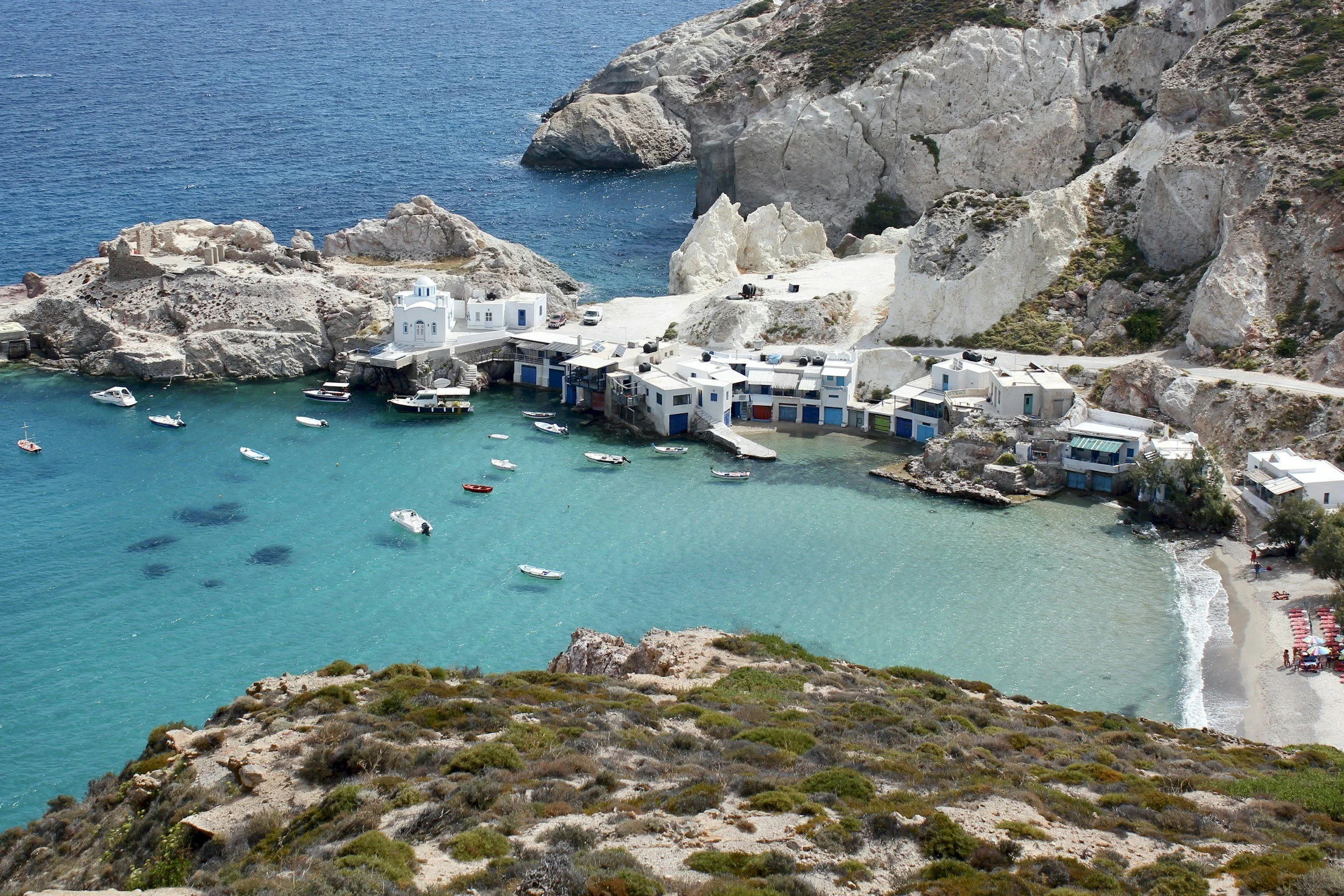
You've seen the photos. The blue domes, the infinity pools, the sunset cocktails that cost as much as a decent bottle of wine back home. Santorini and Mykonos have done their job well, turning themselves into such potent symbols of Greek island life that they've become almost compulsory stops on any Aegean itinerary.
Here's the thing: Greece has 227 inhabited islands scattered across the Ionian, Aegean, and Mediterranean seas. Most Australians see two of them, both in the Cyclades.
This isn't to dismiss Santorini or Mykonos. Both are genuinely spectacular, and if you've never been, you should probably go. But if you're planning Greek islands for 2026 and you want something beyond the Instagram greatest hits, if you're after the Greece that Greeks still visit, the islands where you can wander through a village at sunset without dodging selfie sticks, then you need to look beyond the Cycladic circuit.
The full range of Greek islands is easier to reach than ever. With connections through Dubai landing you in Athens, both the Aegean and Ionian islands work for Australians willing to make the journey. The best time to visit Greece from Australia often means travelling during our summer, which conveniently lands you in Greece's shoulder seasons of May-June or September-October. Fewer crowds, better prices, locals who haven't yet reached peak-season exhaustion.
So here's your 2026 guide to the Greek islands worth crossing hemispheres for. Two from the Cyclades, two from the Ionian Sea, plus Crete and Rhodes for good measure.
Best Greek islands to visit in 2026 (if you’re skipping Santorini and Mykonos)
Folegandros – Cycladic drama, no crowds
Sifnos – food, villages, and proper slow travel
Crete – the “one island trip” that still feels huge
Paxos – olive groves, quiet coves, boat days
Lefkada – those insane Ionian beaches, plus you can drive there
Rhodes – medieval old town + beach holiday in one
Understanding the Greek Islands
A quick geography lesson because most people think "Greek islands" means "Cyclades" and nothing else.
How many Greek islands are there? Greece has 227 inhabited islands, though only about 78 have populations over 100 people. These islands cluster into distinct groups, each with its own character, landscape, and cultural identity.
The Cyclades sit in the central Aegean Sea. This is what you picture when you think "Greek island": white cube houses, blue-domed churches, bare rocky landscapes, and that iconic minimalist aesthetic. Santorini and Mykonos are here, along with dozens of lesser-known islands. The name comes from the fact that they form a rough circle (kyklos) around the sacred island of Delos.
The Ionian Islands line Greece's west coast, facing Italy across the Ionian Sea. These are the green islands, lush with olive groves and cypress forests. Venetian and British colonial influence left architectural legacies that make them feel distinctly different from the Cyclades. Think Corfu, Kefalonia, Zakynthos (where that famous shipwreck beach photo comes from), and smaller gems like Paxos and Lefkada.
The Dodecanese cluster off Turkey's southwestern coast in the far eastern Aegean. Rhodes is the largest and most famous, but the group includes everything from tiny Symi with its neoclassical harbour to Kos with its ancient ruins. The name means "twelve islands" though there are actually 15 main ones plus dozens of smaller islets.
Crete is so large it gets its own category. Greece's biggest island sits in the southern Aegean and historically functions as a distinct region with its own dialect, cuisine, and fiercely independent identity.
The Sporades scatter across the northwestern Aegean. These are the pine-covered islands that provided the setting for Mamma Mia (Skopelos, specifically). Less visited by international tourists, but it is hugely popular with Greeks.
The Saronic Islands sit in the Saronic Gulf between Athens and the Peloponnese. Easy weekend escapes for Athenians: Aegina, Hydra, Spetses. Close enough to Athens that you can visit on a day trip.
The Northeastern Aegean Islands include large islands like Lesvos, Chios, and Samos, sitting close to Turkey's coast. Less touristy, more authentically Greek in their day-to-day rhythms.
The point is this: when you say you want to visit the Greek islands, you're choosing between genuinely different experiences. The white-and-blue Cycladic aesthetic is beautiful, but it's just one expression of Greek island life. The green mountains of the Ionian islands are nothing like it. Rhodes brings medieval history and Near Eastern influences. Crete is practically its own country.
Most Australians making the journey to Greece stick to the Cyclades because that's what the Instagram algorithm shows them. But you're reading this, which means you're at least curious about what else exists.
Folegandros: Santorini Before the Crowds Arrived
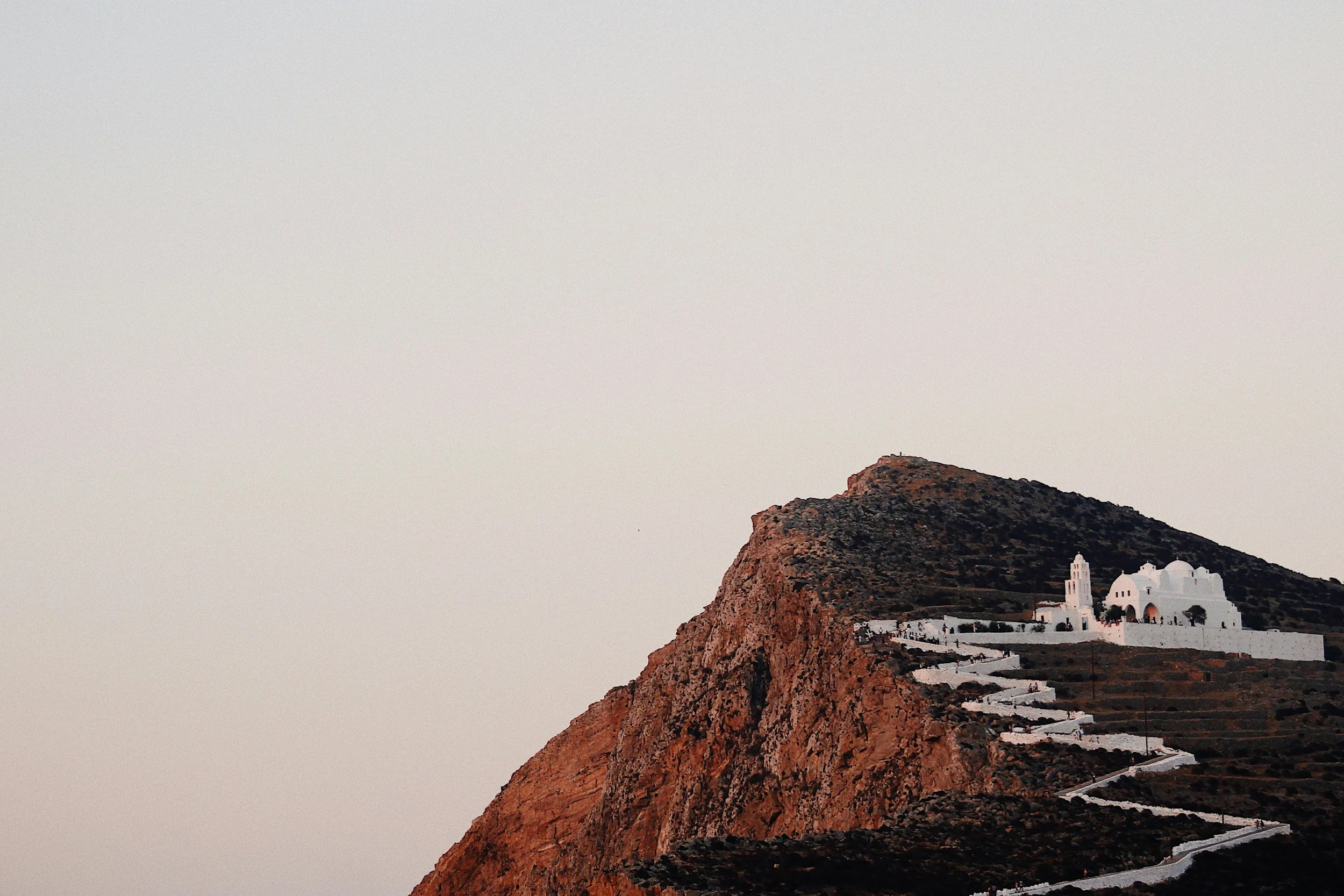
Folegandros
If someone could bottle the essence of what made Santorini appealing before it became a cruise ship destination, Folegandros would be that bottle.
The island sits in the Cyclades, close enough to Santorini that you can see it on clear days, but separated by something more significant than the 25 nautical miles between them. Folegandros has cliffs, dramatic sunsets, and that same whitewashed Cycladic architecture that looks like it was designed specifically to photograph well. What it doesn't have is the infrastructure to accommodate mass tourism, and the island seems determined to keep it that way.
Chora, the main village, perches on a cliff 200 metres above the sea. Cars aren't allowed in the medieval centre, so you walk the marble-paved lanes past bougainvillea that spills over every available wall. There are tavernas where the owner will bring you whatever his wife cooked that day, not because it's charming but because that's genuinely how things work here. The beaches require effort to reach, which keeps them relatively empty even in August.
The Australian comparison would be something like Lord Howe Island, if Lord Howe Island had been settled by Bronze Age civilisations and developed a serious talent for making exceptional goat cheese.
Getting there requires a ferry from Athens (Piraeus port, about 5-9 hours depending on the boat) or a connection through Santorini. Book accommodation early. The island has perhaps 200 beds total, and Greeks discovered it long before foreign tourists did.
Best for: Couples seeking romance, photographers, and travellers who want Santorini's aesthetic without the crowds.
Avoid if: You need nightlife, want easy beach access, or have mobility issues (lots of stairs and hills).
Sifnos: Where Food Became Religion
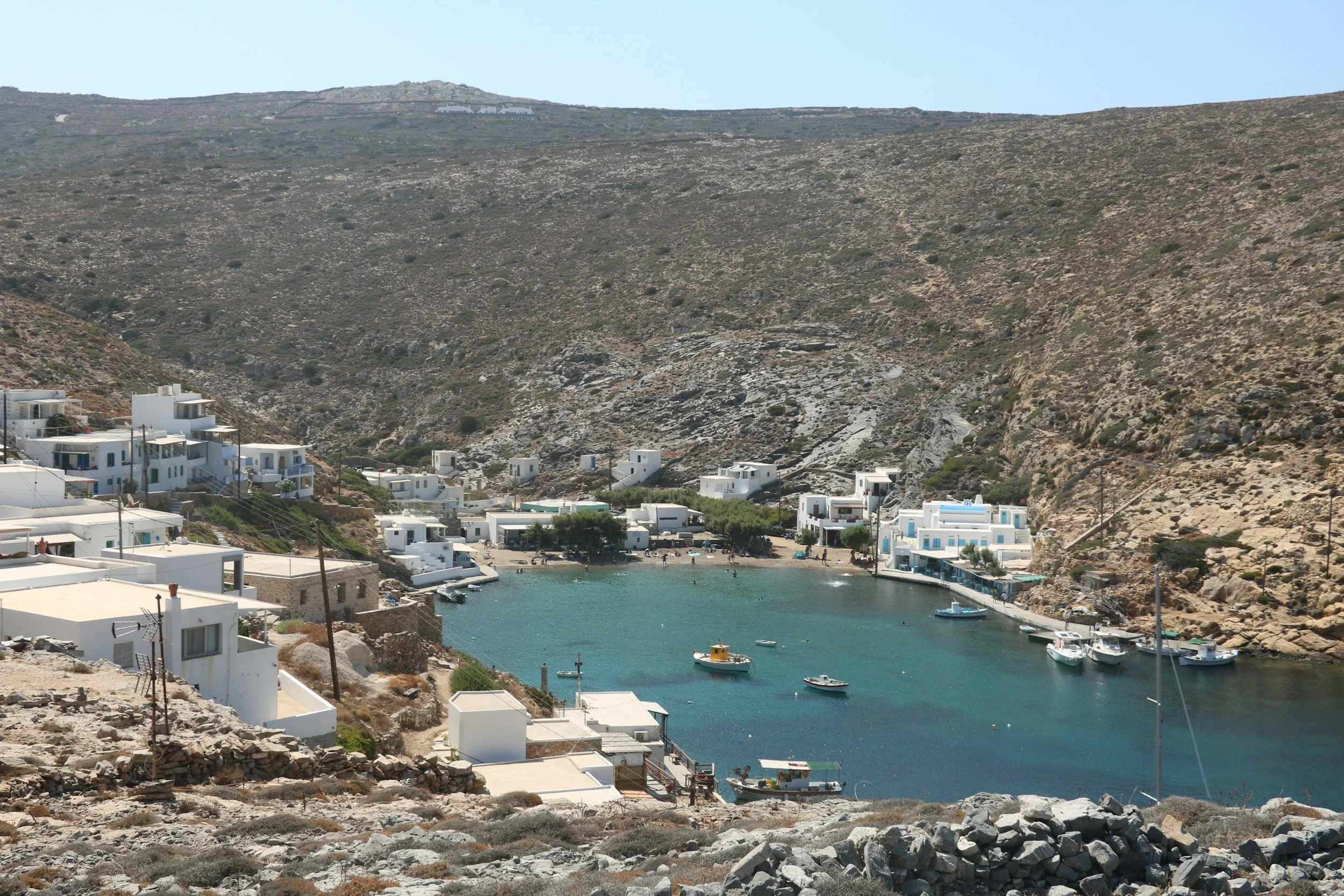
Sifnos
Every Greek island claims superior cuisine. Sifnos actually delivers on the promise.
This is partly a historical accident. The island produced one of Greece's most celebrated chefs, Nikolaos Tselementes, whose 1910 cookbook essentially codified modern Greek cooking. But it's also geography. Sifnos has good soil, which means vegetables that taste like vegetables rather than crunchy water. The island's potters have been making clay cooking vessels for millennia, and locals swear that everything tastes better when it's cooked in proper Sifniot pottery.
The food culture here runs deep enough that villages compete over whose revithada (chickpea stew) is superior, and locals will argue passionately about the proper ratio of tomato to courgette in their version of mastelo, the island's signature lamb dish cooked in wine and dill.
Beyond the eating, Sifnos offers proper hiking trails that connect medieval villages, beaches that range from organised (Platis Gialos) to basically empty (Glyfo), and a pace of life that feels genuinely slow rather than performed for tourists. Apollonia, the main town, sprawls across hilltops in that particularly Greek way where one village bleeds into the next without clear boundaries.
Australians will find the landscape oddly familiar in parts. The island has that same scrubby, sun-beaten quality as certain stretches of South Australia, though with better swimming.
Ferry connections run regularly from Athens (roughly 3-5 hours), and the island has enough accommodation to absorb visitors without feeling overwhelmed. Visit in September when the summer crowds thin but the sea temperature remains swimmable.
Best for: Food lovers, hikers, families, travellers seeking authentic Greek island life.
Avoid if: You want famous-name beaches or buzzing nightlife.
Crete: An Island That's Actually a Country
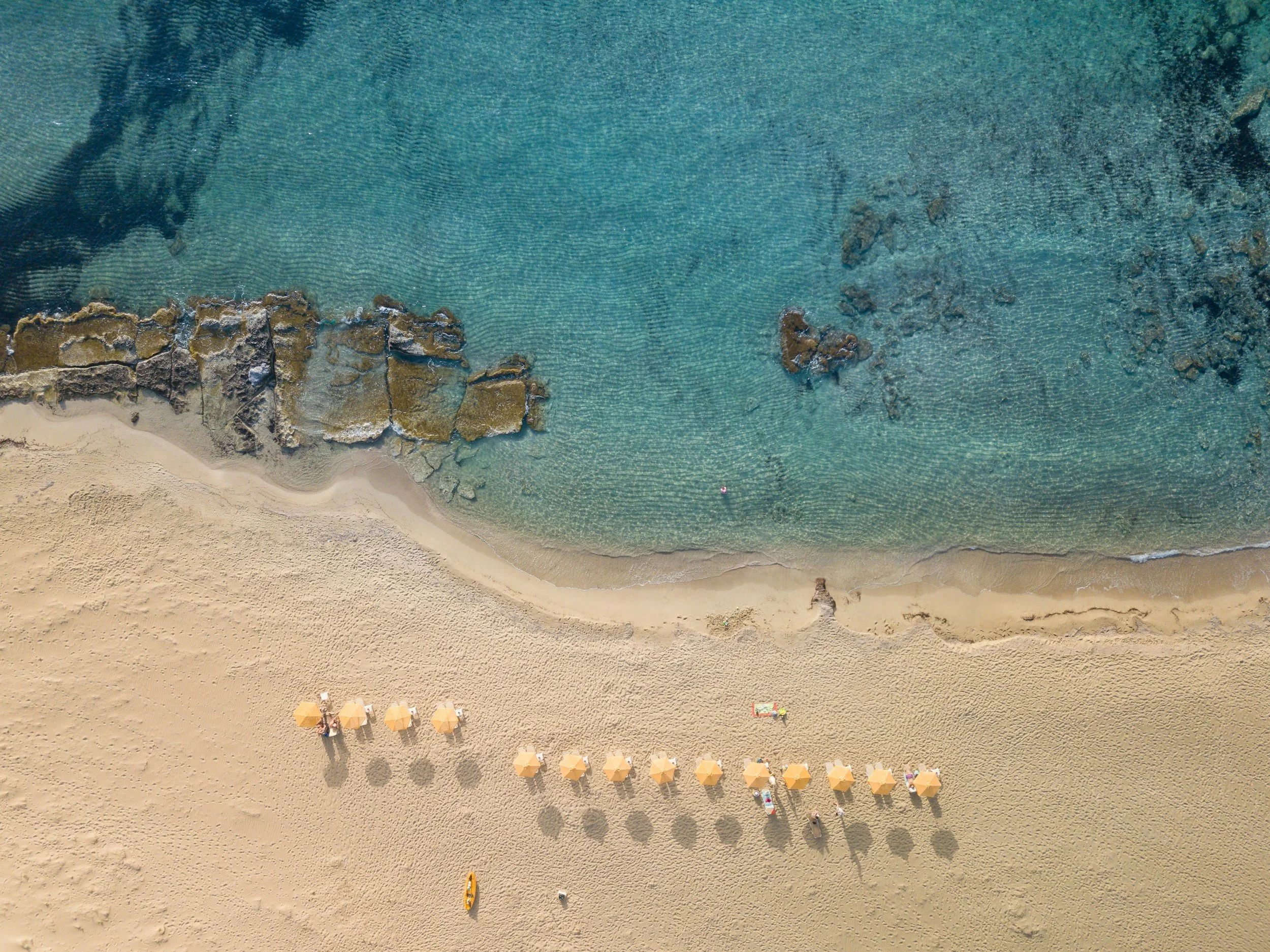
Crete
Calling Crete an island feels reductive. This is Greece's largest island, big enough that it functions as its own distinct region with its own dialect, its own cuisine, its own fierce sense of identity that predates modern Greece by several millennia.
The scale alone sets it apart. You could spend two weeks on Crete and still not see everything. The western end around Chania offers Venetian harbours and the famous Samaria Gorge, one of Europe's longest canyons and a spectacular hike if you're up for 16 kilometres of descending through dramatic terrain. The east around Agios Nikolaos has the island's best beaches and a more relaxed pace. The centre holds Heraklion, the capital, and Knossos, the Minoan palace complex where European civilisation arguably began.
The food on Crete deserves its own essay. This is where the Mediterranean diet actually comes from, before it became a marketing concept. Dakos (barley rusk topped with tomatoes and mizithra cheese), kalitsounia (small cheese or herb pies), snails cooked in rosemary, and lamb slow-cooked with stamnagathi (wild greens that grow nowhere else). Cretans live longer than almost anyone else in Europe, and spending time here eating their food makes you understand why.
What makes Crete particularly appealing for Australians is the infrastructure. This isn't a remote island where you struggle to find basics. Crete has proper airports (Chania and Heraklion both handle international flights), extensive bus networks, car hire everywhere, and accommodation ranging from village rooms to five-star resorts. You can have the authentic Greek island experience without sacrificing the convenience that makes travel actually enjoyable.
The beaches rival those anywhere in Greece. Elafonisi in the southwest has pink sand and shallow turquoise water. Balos Lagoon looks like the Caribbean relocated to the Mediterranean. Vai on the east coast has Europe's largest natural palm forest backing onto the beach.
Plan at least five days, ideally a week. Crete rewards slow exploration rather than frantic island-hopping. And unlike the smaller Cycladic islands, you won't feel like you've exhausted the place in three days.
Best for: First-time Greece visitors, families, hikers, history buffs, food lovers, and travellers who want variety and infrastructure.
Avoid if: You're seeking tiny-island peace or that classic Cycladic white-and-blue aesthetic.
Paxos: The Island That Stays Small
Paxos
Some islands resist growth. Paxos has made an art of it.
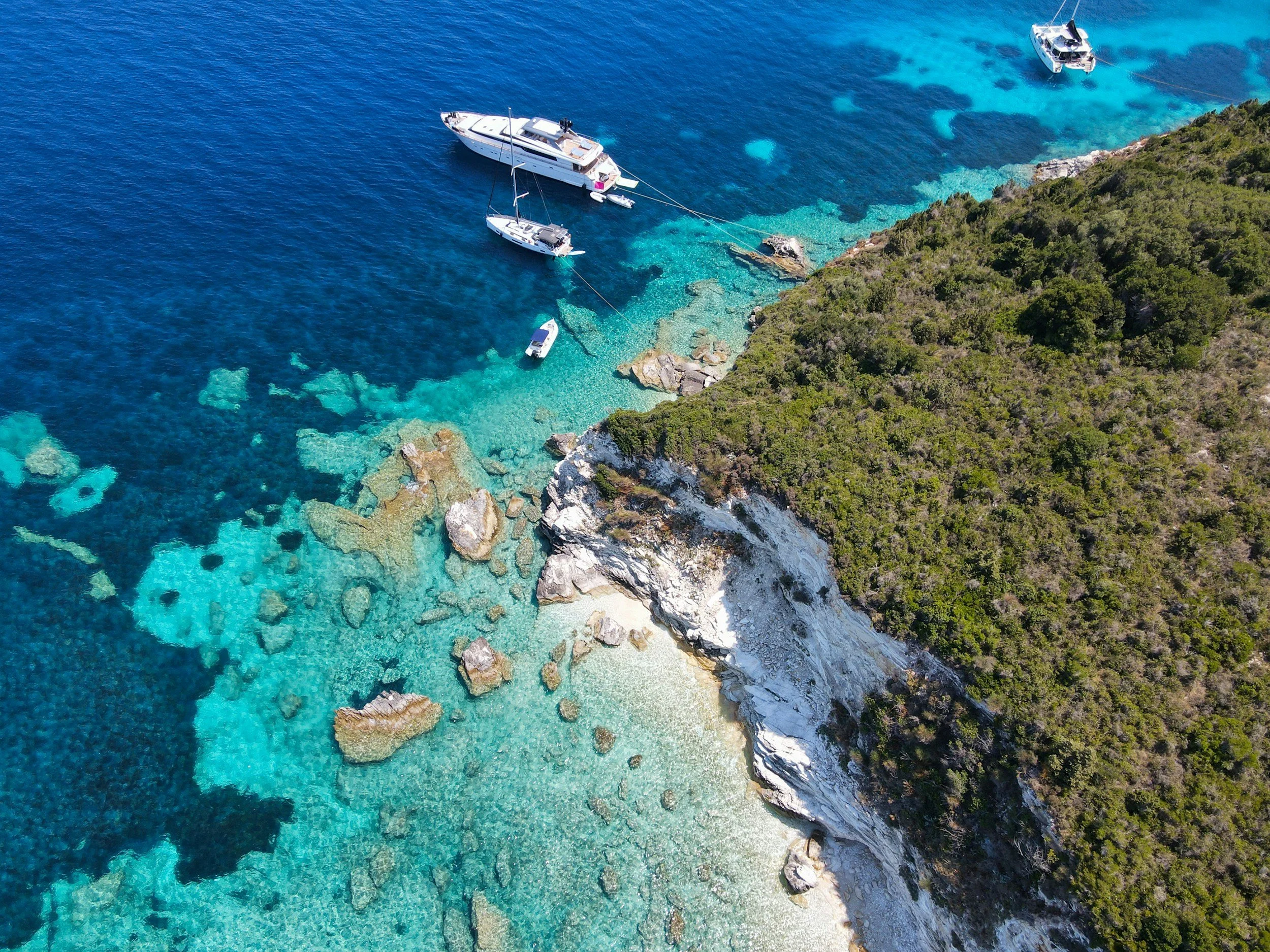
This is the smallest of the main Ionian islands, just 13 kilometres long and covered almost entirely in olive groves. There's no airport (the closest is Corfu, 30 minutes by ferry), which immediately filters out the package tour crowds. The island has three main villages and a handful of beaches, most accessible only by boat. Development is strictly controlled, which means you won't find high-rise hotels or beach clubs blasting music until 3 am.
What you will find is a particular kind of Greek island tranquillity that's becoming increasingly rare. Gaios, the main port town, wraps around a small harbour protected by two islets. The waterfront fills with tavernas and cafes, but the scale remains intimate. You can walk the entire town in 15 minutes. Loggos and Lakka, the other two villages, are even smaller, just clusters of houses around protected bays.
The coastline is the real draw. The west coast features dramatic cliffs and sea caves, including the famous blue caves near the southern tip, where the water glows an almost artificial turquoise. The East Coast has pebble beaches tucked into small coves. Most people rent a small boat for the day (no licence required) and explore at their own pace, dropping anchor wherever it looks appealing.
Antipaxos, the even smaller island just offshore, has two of the best beaches in the Ionian. Voutoumi and Vrika have sand so white and water so clear they look like Caribbean imports. Day-trippers from Corfu arrive by the boatload in summer, but if you're staying on Paxos, you can time your visit for early morning or late afternoon and have them largely to yourself.
The food culture on Paxos punches above the island's size. Fresh fish, local olive oil from those ancient groves, simple preparations that let ingredients speak for themselves. This isn't destination dining, it's just Greeks cooking the way they've always cooked when the sea and the land provide everything you need.
If Paxos looks familiar, you might have seen it in Netflix's Maestro. The island's harbours and coastline feature prominently in the series (and if you haven't watched it yet, what are you doing?). The production team clearly knew what they were after when they picked Paxos for filming.
For Australians seeking an antidote to overcrowded Mediterranean destinations, Paxos offers what's getting harder to find: an island that has consciously chosen to stay small, quiet, and focused on the people who make the effort to reach it.
Best for: Couples, boat enthusiasts, travellers seeking peace and quiet, and those who appreciate small-scale tourism.
Avoid if: You want sandy beaches, need nightlife, or prefer having lots of activity options.
Lefkada: The Island You Can Drive To
Lefkada
Here's something unusual in the Greek islands: Lefkada connects to the mainland by bridge. No ferry schedules to check, no worrying about rough seas cancelling crossings. You literally drive onto the island across a floating bridge, which immediately makes it more accessible than most Greek islands while somehow keeping it less visited than places that require boats.
The island sits in the Ionian Sea off Greece's west coast, and the landscape reflects that Ionian character. This is green Greece, not the bare rock of the Cyclades. Mountains covered in pine and cypress forests, olive groves that carpet the hillsides, vegetation so lush it feels almost excessive after the stark beauty of the Aegean islands.
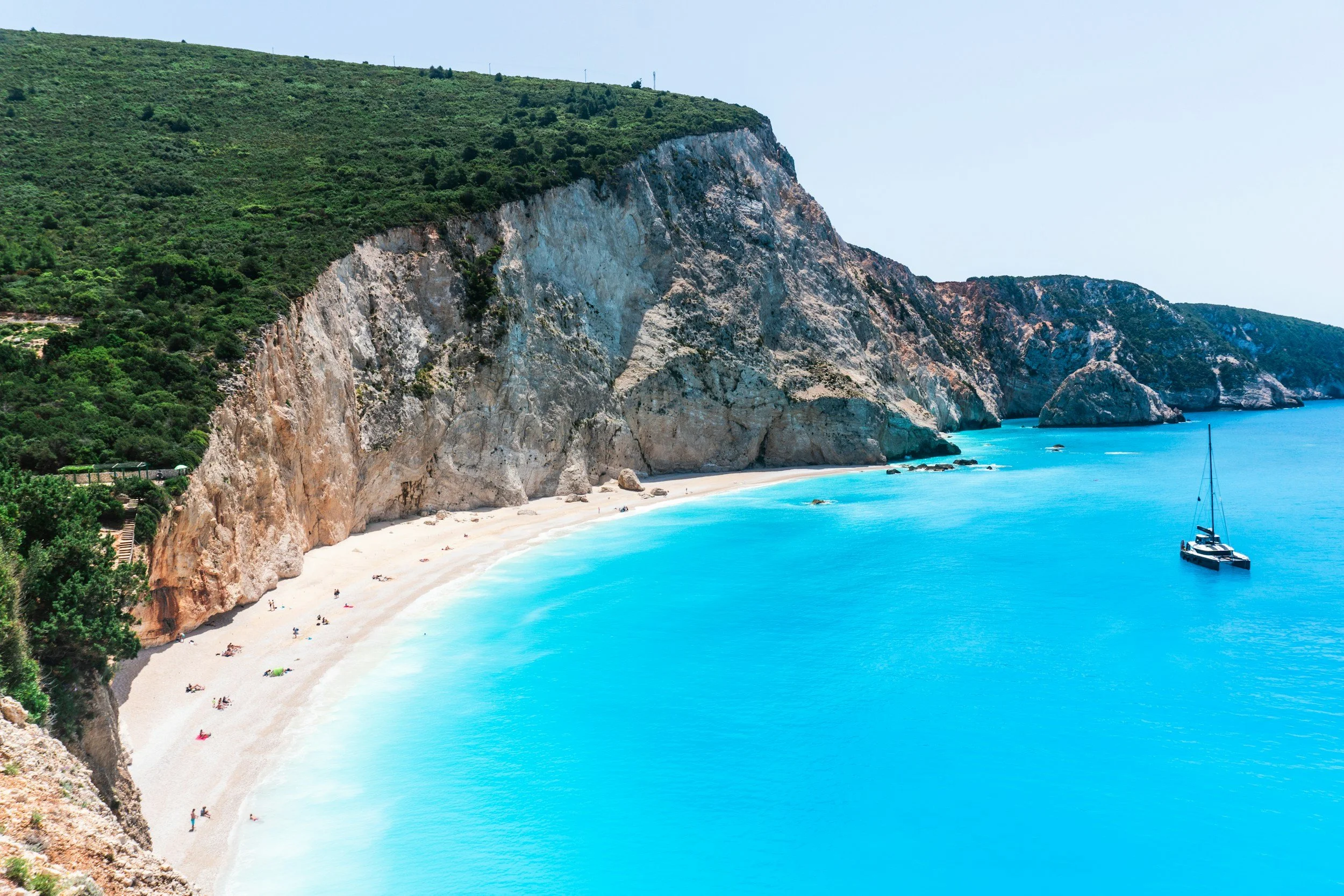
But Lefkada's real gift is its beaches. Porto Katsiki, on the west coast, features a white pebble beach backed by dramatic cliffs that drop straight into water so blue it looks photoshopped. Egremni, just south, offers similar drama with even fewer crowds (though reaching it requires navigating a steep path down the cliff). Kathisma stretches for two kilometres of golden sand, while Milos Beach in the north appeals to windsurfers who come for the consistent afternoon winds.
The interior rewards exploration. Mountain villages like Karya maintain traditional architecture and a pace of life that feels genuinely unhurried. The town of Lefkada, at the northern tip, combines a working harbour with enough restaurants and bars to keep evenings interesting without descending into resort-town excess.
What makes Lefkada particularly appealing is the combination of accessibility and authenticity. You get the infrastructure benefits of easy access (drive from Athens in about 4 hours, or fly to Preveza airport, 20 minutes away) without the corresponding overdevelopment that often follows. Greeks holiday here in the summer, which is always a good sign. They tend to know which islands are worth the effort.
The island also works well as a base for exploring the wider Ionian region. Day trips to Kefalonia or Ithaca are straightforward, and the mainland coast offers its own attractions, including the archaeological site at Nikopolis near Preveza.
Best for: Road trippers, beach lovers, windsurfers, travellers who want easy access without ferries, and those combining islands with mainland Greece.
Avoid if: You want total isolation or prefer the stark Cycladic aesthetic to green landscapes.
Rhodes: Medieval Meets Beach Resort
Rhodes
Fly to the Dodecanese islands off Turkey's coast and you'll find Rhodes, an island that somehow balances serious historical weight with proper beach resort infrastructure.
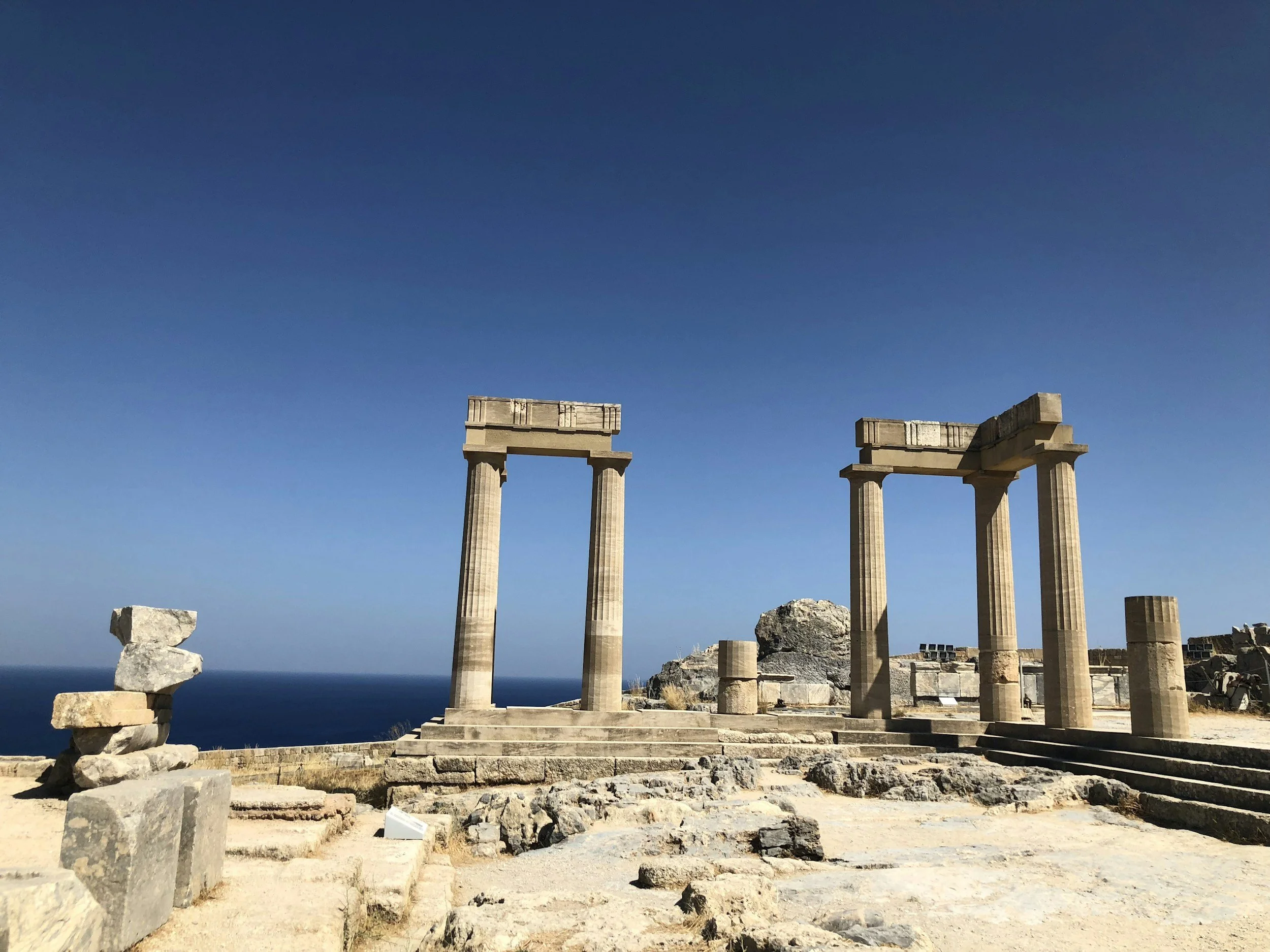
The medieval old town in Rhodes City is among the best-preserved in Europe. The Knights of St. John fortified it in the 14th century, and walking through the cobbled streets inside those massive walls feels like stepping into a different century. The Palace of the Grand Master dominates the town, with its all-Gothic architecture and Byzantine mosaics. The Street of the Knights still has the inns where knights from different countries stayed, each building marked with the relevant coat of arms.
But Rhodes is large enough (about 80 kilometres long) that the medieval town represents just one aspect. The island has excellent beaches along both coasts. The west coast (facing the open sea) gets wind and waves, making it popular with windsurfers. The east coast stays calmer, with long sandy beaches like Tsambika and Lindos that attract families and swimmers.
Lindos, about 50 kilometres south of Rhodes Town, deserves special mention. The village of white houses climbs the hillside below an ancient acropolis perched on a cliff. You can swim in the bay, climb to the Acropolis for views that justify the effort, and eat in tavernas that have been serving essentially the same menu for generations.
The interior of Rhodes surprises people. There are proper mountains (Mount Attavyros reaches 1,215 metres), Byzantine churches hidden in valleys, and villages where life continues much as it has for centuries. The Valley of the Butterflies fills with thousands of Jersey tiger moths each summer, creating one of nature's more unexpected spectacles.
Rhodes works particularly well for Australian travellers making the journey. The island has excellent infrastructure, its own international airport, and enough variety that you can stay put for a week without getting bored. It's also closer to Turkey than Athens, which adds interesting day-trip possibilities if you're keen to add another country to the itinerary.
Best for: History enthusiasts, families, beach lovers, travellers who want one-island convenience with variety, and those interested in medieval architecture.
Avoid if: You're seeking undiscovered tranquillity or prefer smaller, less developed islands.
Which Greek island should you visit in 2026?
Closest to Athens: Sifnos (3-5 hours by ferry), followed by Folegandros (5-9 hours)
Easiest to reach: Lefkada (drive from Athens, no ferry required) or islands with airports (Crete, Rhodes)
Best beaches: Lefkada for dramatic cliffs and turquoise water, Crete for variety and pink sand, Paxos/Antipaxos for Caribbean-like clarity
Best food: Sifnos for authentic Greek cuisine and culinary tradition, Crete for Mediterranean diet and local specialties
Most romantic: Folegandros for Santorini vibes without crowds, Paxos for intimate small-island atmosphere
Best for families: Crete for infrastructure and variety, Rhodes for beaches and historical sites
Most peaceful: Paxos for deliberately small-scale tourism, Folegandros for limited development
Best history: Rhodes for the medieval old town, Crete for the Minoan civilisation and archaeological sites
Ferry time from Athens: Sifnos 3-5hrs, Folegandros 5-9hrs, Paxos requires Corfu connection, Lefkada no ferry, Crete 6-9hrs, Rhodes 12-18hrs (fly instead)
Making It Work from Australia
The flight to Greece from Australia requires commitment. Even the most efficient routing (usually via Doha, Dubai, or Singapore) will chew up most of a day, and Athens is still the easiest entry point for island plans. Athens becomes your primary entry point, though some islands like Corfu, Crete, and Rhodes have their own international airports if you're connecting through Europe. For comprehensive logistics on travelling to Greece from Australia, including visa requirements and packing lists, we've got you covered.
From Athens, the Greek islands spread across three main seas. The Cyclades in the central Aegean connect via ferries from Piraeus port. The Ionian islands off the west coast require either flights or a drive across the mainland to ports like Igoumenitsa. The Dodecanese islands near Turkey are best reached by flights from Athens or by ferry networks that connect through larger hubs like Rhodes.
Book ferries in advance during peak season (July-August), though you can often buy tickets on the day during shoulder periods. The slower ferries cost less and offer more character; the fast boats save time but skip the romance of proper island-hopping. Choose based on your priorities and the distances involved.
Australian passport holders don't need visas for stays under 90 days, and your cards will work everywhere that accepts cards (though smaller islands and villages remain cash-oriented). The euro's exchange rate fluctuates, but Greece remains relatively affordable compared to other European destinations, particularly outside peak season.
Approximate costs from Australia (2026):
Return flights Sydney/Melbourne to Athens: $1,400-$2,800 depending on season and booking time
Ferry tickets: $30-100 per journey, depending on distance and boat speed
Mid-range accommodation: $120-200 per night (less in shoulder season)
Meals: $20-35 per person for taverna dinner, $8-12 for lunch
Car rental: $40-70 per day for small cars on larger islands
The time difference (8-10 hours, depending on daylight saving) means jet lag will be significant. Build in recovery time. Spend 48 hours in Athens on arrival, explore the city properly, adjust to the time zone, then head to the islands when you can actually appreciate them.
Before you lock anything in, read: New EU border rules (EES + ETIAS)
The Islands You Already Know
Look, Santorini is spectacular. The caldera views genuinely live up to the photographs, and anyone who tells you it's overrated probably went in August and fought crowds for every sunset photo. Visit in May or late September, book accommodation in Oia or Fira despite the premium prices, and you'll understand why it became famous.
Mykonos is a different beast. The beaches are excellent, the nightlife runs late and is expensive, and the Cycladic architecture in Mykonos Town (Chora) remains beautiful despite the designer boutiques that have replaced traditional shops. If you want sophisticated European beach club culture transplanted to a Greek island, Mykonos delivers exactly that.
But here's the argument for going beyond them: every hour you spend in the obvious places is an hour you're not spending somewhere that feels like discovery. The hidden Greek islands (or at least less famous ones) offer something harder to find in Mediterranean travel: the sense that you found something yourself rather than following an algorithm's recommendations.
2026 and Beyond
Greece's tourism has recovered and then exceeded pre-pandemic levels. The islands are more accessible than ever for Australians willing to make the journey. But accessibility cuts both ways. The destinations that appear on every travel website risk becoming victims of their own photogenic success.
The islands in this guide represent different corners of the Greek archipelago. Some, like Folegandros and Sifnos, remain relatively undiscovered. Others, like Crete and Rhodes, are well-established destinations that still offer authentic experiences if you know where to look. They all deliver something worth searching for: the sense that you're seeing something real rather than performing a scripted tourist experience.
The Greek islands span the Cyclades, the Dodecanese, the Ionian islands, the Sporades, the Saronic islands, and more. The Cyclades get the publicity, but they're just one chapter in a much longer story.
Book early. Travel during shoulder season. Learn a few phrases in Greek (locals appreciate the effort, however mangled your pronunciation). Eat where Greeks eat. And remember that the point of travelling this far isn't to collect experiences that look good on social media but to actually experience something different.
The islands have been here for millennia. They'll still be here when you arrive.
Frequently Asked Questions About Greek Islands for Australians
What’s the best time to visit the Greek islands from Australia?
May–June and September–October. You get sun, warm water, fewer crowds, and softer prices.
Which Greek islands are best if I hate crowds?
Folegandros and Paxos. Both stay small, and they don’t feel like they’ve been built for tourists.
If I only choose one island, which one should it be?
Crete. It’s big enough to give you beaches, villages, hikes, history and proper food without hopping around.
Is island hopping worth it in 2026?
Yes, but keep it simple. Two islands is the sweet spot for most Aussies (especially with ferry time and jet lag).
What are the best Greek islands for families?
Crete and Rhodes. They’re easy to get around, have loads of choice, and don’t require constant logistics.
Planning an August trip? Time your island hopping around the two big August moments: Panagia on 15 August and the August full moon nights.
