
Australia and the EU Just Signed a Historic Trade Deal
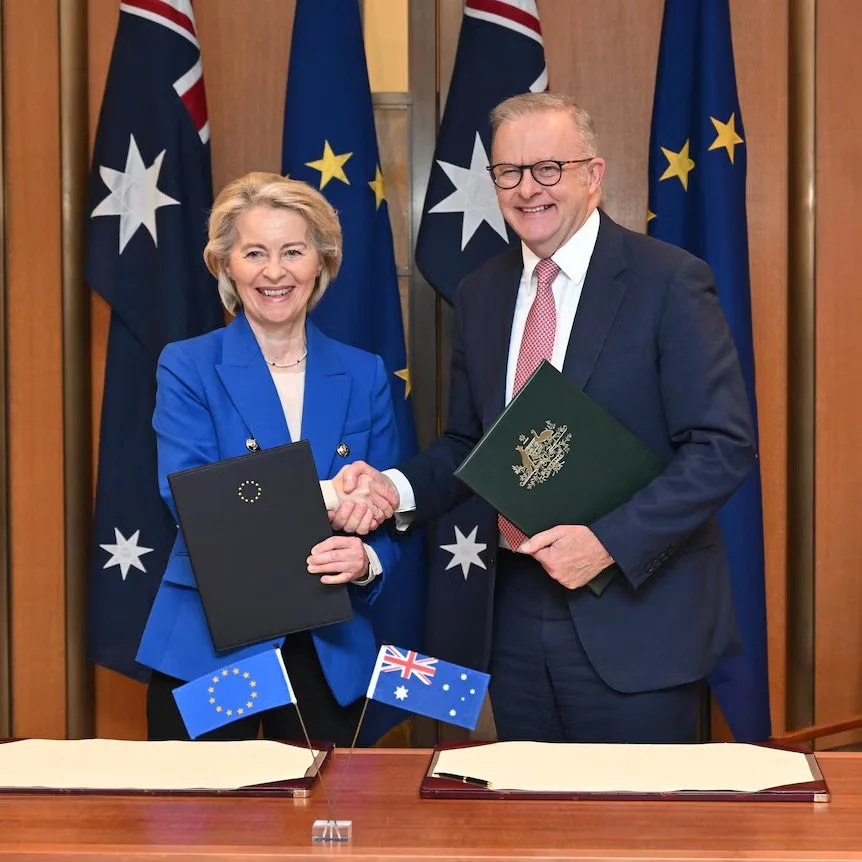
After eight years of negotiations, Australia and the European Union signed a free trade agreement on 24 March 2026, removing tariffs on almost all goods traded between them. For Greece, it means protected status for feta, Chios mastic and ouzo, new export opportunities for Greek olive oil and wine, and a closer relationship between two countries that already share half a million people.
Eight years is a long time. Long enough for negotiations to stall, for Australia to walk away from the table in 2023, and for everyone involved to wonder whether this thing would ever happen.
It happened. On 24 March 2026, Prime Minister Anthony Albanese and European Commission President Ursula von der Leyen stood together in Canberra and signed the Australia-EU Free Trade Agreement. A deal covering 450 million Europeans and a $30 trillion economy.
The big-picture headlines are easy enough to summarise.
Cheaper European wine and cheese at Aussie supermarkets
Tariff-free Australian minerals going into European clean energy projects
An $8 billion annual boost to Australia’s GDP
Both sides very pleased with themselves
But if Greece is your thing, the interesting stuff is in the details. Which products got protected. Which ones didn't. And what it changes for the Greek-Australian community and for people who travel between the two countries.
What the deal does, in plain terms
Right now, both Australia and the EU charge import tariffs on each other's goods. This deal removes almost all of them. Australia is dropping its five per cent tariff on European imports. The EU is removing tariffs on 98 per cent of what Australia currently exports to Europe.
Practically speaking, that means European goods including wine, cheese, chocolate, cars and pasta get cheaper to import into Australia. And Australian farmers and producers, who have long found the European market frustrating to access, get a much cleaner run at 27 countries and 450 million consumers.
The deal also covers services and professional access.
Financial services, education, tourism and communications are all covered
Australian professionals can get their qualifications recognised more easily across EU countries
Australian businesses can bid on European government contracts worth around $845 billion a year
Beyond the economics, both sides are being open about the bigger picture. With US trade policy unpredictable and China tensions ongoing, Australia and the EU want reliable partners they can trust. This deal, signed alongside a new Security and Defence Partnership, is part of that.
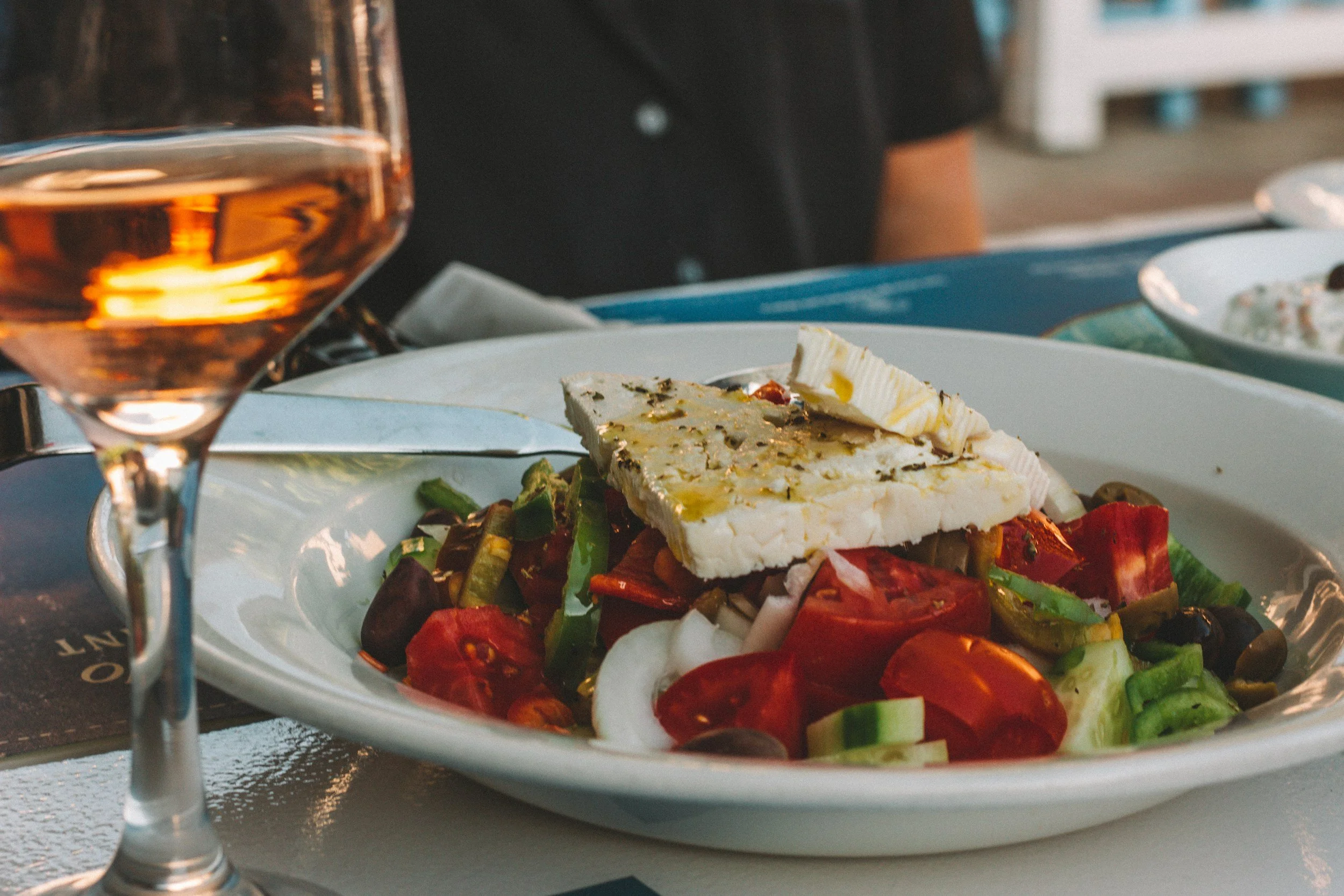
Only Greek feta can be called feta
Under the Australia-EU free trade agreement, Greece's feta is formally protected as a geographical indication in Australia. That means only cheese produced in specific regions of Greece, to specific standards, can be called feta. The EU has had this protection in place since 2002, when feta was recognised as a Protected Designation of Origin. It has taken until now for Australia to get on board.
For existing Australian producers, there is a transition period. Those who have been making and labelling their cheese as feta continuously for at least five years can keep using the name for a defined period, provided they clearly label where the product comes from. New producers cannot use the name at all. Eventually, the name feta in Australia will mean one thing: Greek.
For the Greek-Australian community, the feelings are mixed. The families who arrived from Greece in the 1950s and 60s and built businesses making the cheese of their homeland for a community that craved it aren’t thrilled about a phase-out. That history is real, and it matters. But so does the principle that feta from somewhere other than Greece isn’t really feta.
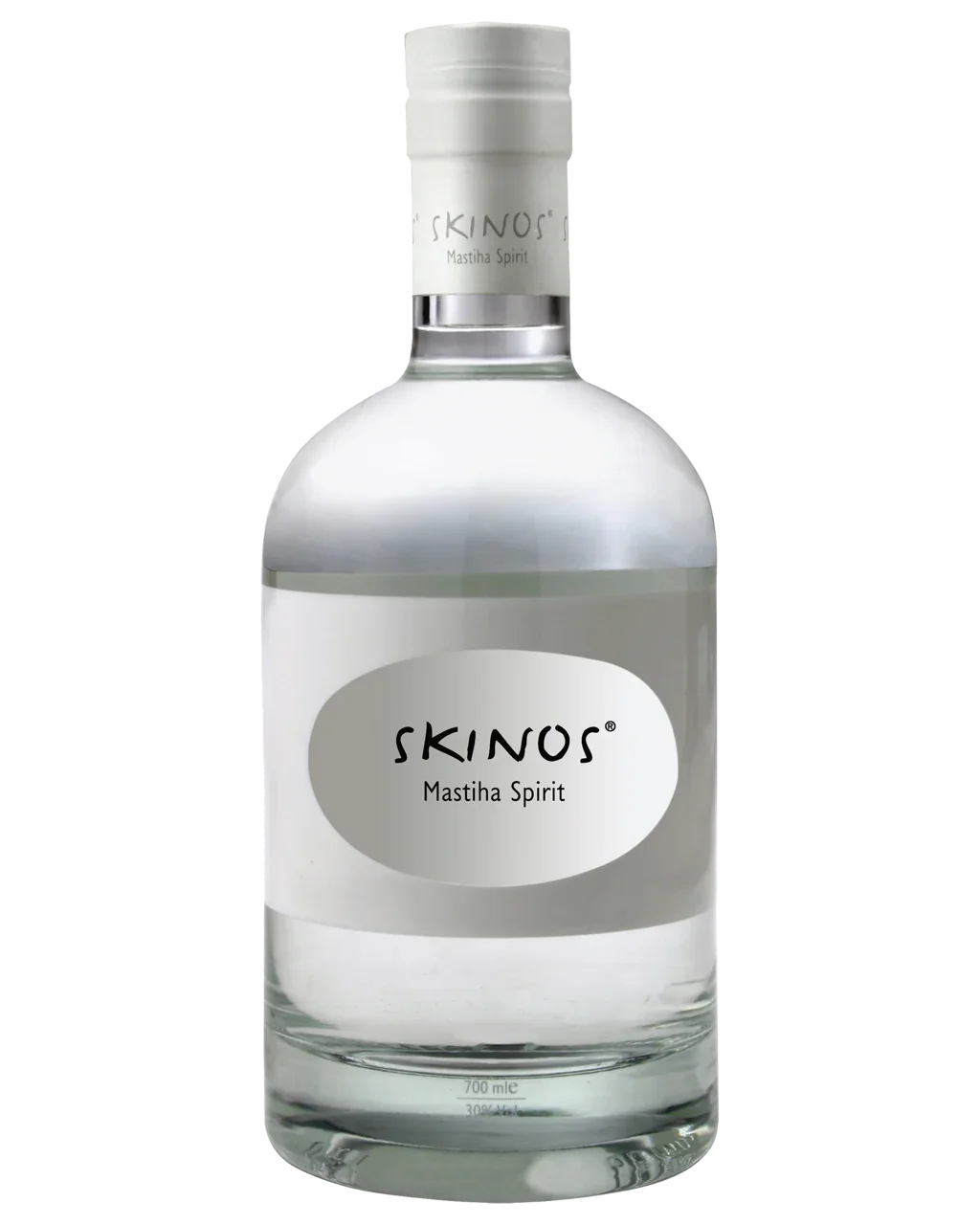
The products that got full protection, ouzo and Chios mastic
While feta got a messy compromise, two other Greek products came out of this deal in much better shape.
Ouzo gets full protection in Australia after a short phasing-out period. That means no one can legally sell something as ouzo in Australia unless it's the real thing, made in Greece or Cyprus. If you want to know more about ouzo and Greek spirits, our guide to what to eat and drink in Greece has the full rundown.
But the real standout is Chios mastic. The European Commission's official documentation specifically names Masticha Chiou alongside Comte, Irish Whiskey and Queso Manchego as one of the most significant geographical indications now protected in Australia. That's a big deal for a product that doesn't always get the international recognition it deserves.
If you're not familiar with it: Chios mastic is a resin that comes from mastic trees on the Greek island of Chios. And only on Chios. The trees take forty to fifty years to mature before they're ready to harvest. The resin is collected by hand in small crystal teardrops. It has been produced this way for over 2,500 years. UNESCO lists the knowledge of how to cultivate it as Intangible Cultural Heritage of Humanity.
The demand for it has grown faster than supply can keep up with, which means imitation products have become a real problem. Under this deal, those imitation products can no longer be sold under the Masticha Chiou name in Australia. For the Chios Gum Mastic Growers Association, representing 24 mastic villages, this is a genuine win.
Greek wine also benefits. The deal includes a modernised wine agreement protecting over 1,600 EU wine names in Australia, including around 50 new additions. Greek appellations like Assyrtiko, Xinomavro and Moschofilero now have stronger protection against imitation in the Australian market. For more on Greek wine country, our harvest season guide covers the best wineries and olive groves to visit.
What changes for Australians travelling to Greece
The honest answer is: not much immediately, and not because of the trade deal specifically.
Australians already travel to Greece visa-free for up to 90 days within any 180-day period. That's not changing. The trade deal does include better frameworks for Australian qualifications to be recognised in EU countries and easier access for Australian service providers, which could matter if you're looking to work or stay longer in Greece. If that's you, our guide to the Greece Digital Nomad Visa for Australians is worth a read.
What is changing, separately from the trade deal, is the EU's border system. We've covered this in detail in our post on new EU border rules for Aussie travellers. The short version: the Entry/Exit System (EES) is rolling out across Schengen borders with full implementation expected around 10 April 2026. First time through, you'll have your fingerprints and photo taken. After that, re-entry within three years is faster.
ETIAS is also coming, expected in late 2026. It's an online travel authorisation, a bit like an ETA for Australia or an ESTA for the US. Seven euros, valid for three years, quick to apply for online. Not a visa. Just a pre-registration that Schengen countries will require before you arrive.
Neither of these makes travelling to Greece from Australia harder. They just add a bit of admin the first time around. And if you're still figuring out when to go, our month-by-month guide to the best time to visit Greece breaks it all down.
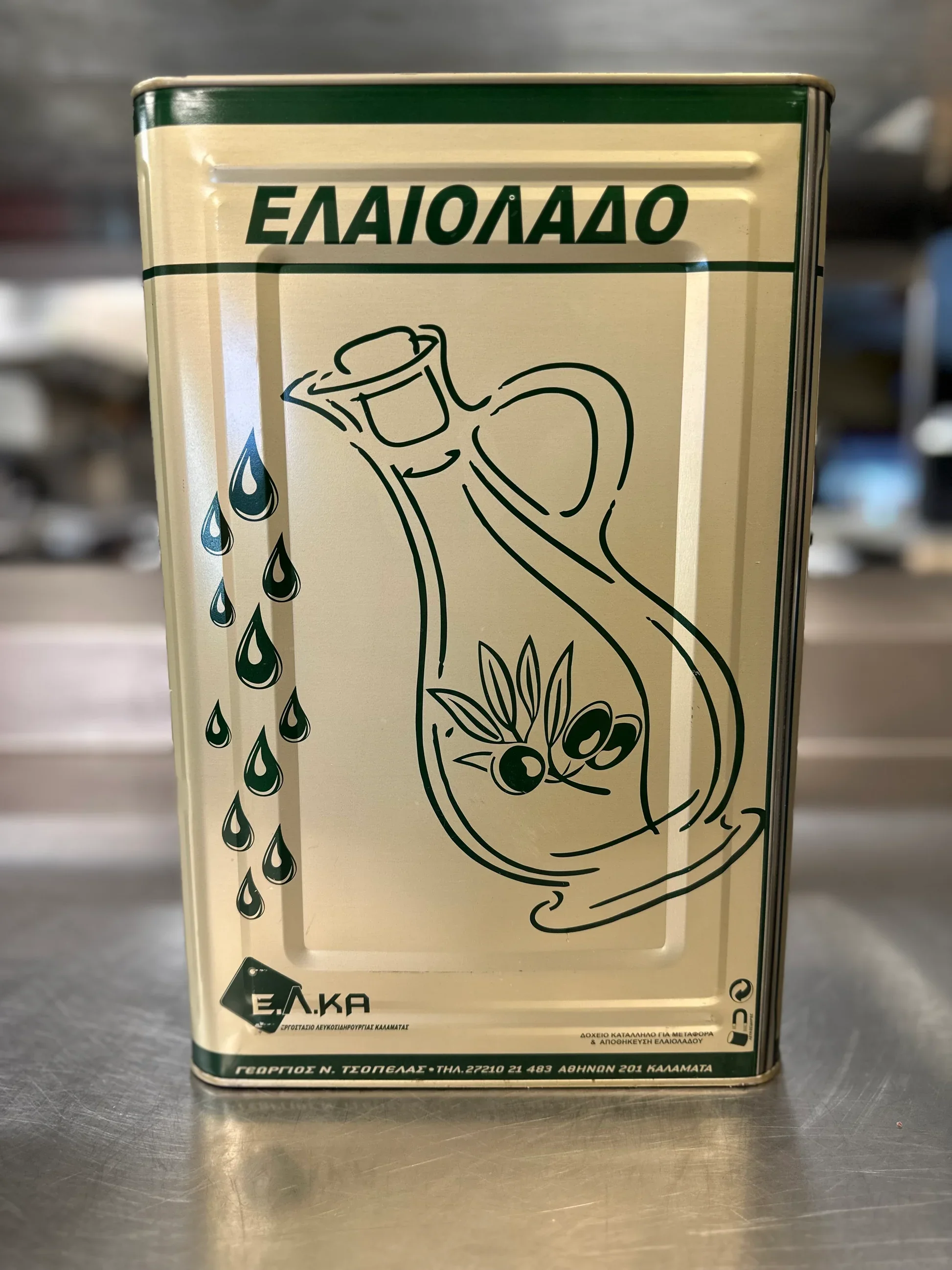
Greek olive oil and wine quietly win too
As Australia removes tariffs on EU agricultural imports, Greek olive oil and wine become more competitive in the Australian market.
Greece is one of the world's top three olive oil producers, and demand for good extra virgin olive oil in Australia has grown significantly. Lower import costs should eventually flow through to better pricing on genuine Greek olive oil at retail, which is good news for producers and for consumers who've been paying a premium.
Same story for wine. Greek winemakers have had a genuine renaissance over the past two decades. Varieties like Assyrtiko from Santorini, Xinomavro from Naoussa and Moschofilero from the Peloponnese have built real followings internationally. Better market access and stronger name protections in Australia can only help that momentum. If you want to experience it firsthand, harvest season in Greece is one of the most underrated times to visit.
What this means for the Greek-Australian community
Australia has one of the largest Greek diaspora communities in the world, with over 400,000 people of Greek heritage living here, most of them in Melbourne, Sydney and Adelaide. Greece has consistently held steady as a top destination for Australian travellers, and a stronger economic relationship between the two countries formalises what has always existed informally.
Greek-Australian importers bringing in Greek food products will benefit from tariff reductions. Greek-Australian professionals working across both countries fit into the improved qualifications recognition framework. The food, travel and cultural connections that already run deep through this community now have a stronger economic structure around them.
The feta situation is the one sore point, and the community's reaction has been mixed. When your family built a business on making the cheese of your homeland for people who needed a taste of it, "grandfathering provisions" doesn't feel like a particularly generous acknowledgment of that history.
It's not in effect yet
Worth being clear on this: the deal is signed but not yet ratified. Both sides still need to go through their own formal processes before the Australia-EU Free Trade Agreement comes into force. The full details are on the Australian Government's announcement and the EU Commission's trade agreement page.
Until ratification is done, nothing changes. The existing tariffs stay. The existing visa rules stay. Your feta options at the supermarket stay the same.
What has changed is that after eight years of on-and-off negotiations, there is finally a signed agreement. Chios mastic is protected. Ouzo is protected. Feta is in a long transition. Greek wine and olive oil have a cleaner path into Australia. And two places that already share half a million people are, officially, closer. If you're already planning your trip, our complete guide to travelling from Australia to Greece covers everything you need to know before you go.
Frequently Asked Questions
Does the Australia-EU Free Trade Agreement make it easier to travel to Greece?
Not directly. Australians can already visit Greece visa-free for up to 90 days in any 180-day period, and this doesn't change. The deal does include better recognition of Australian qualifications across EU countries, which matters more if you're planning to work or study in Greece. For tourism, the bigger travel changes to know about are the EU's new Entry/Exit System (EES) and ETIAS, both coming in 2026.
What happens to Australian-made feta under the deal?
Gradually, yes. Producers who have been making and selling feta in Australia continuously for at least five years before the agreement can keep using the name, as long as they clearly label where the product is from. Anyone who doesn't meet that threshold cannot use the name. New producers starting up after the deal cannot use it at all. The exact phase-out timeline will be confirmed in the full legal text once published.
Which Greek products are now protected in Australia?
Chios mastic (Masticha Chiou) is now fully protected, meaning imitation products can't be sold under that name in Australia. Ouzo gets full protection after a short transition period. Feta gets partial protection with a grandfathering arrangement for existing producers. The deal also protects more than 1,600 EU wine names including Greek appellations. You can find the full list on the EU Commission's trade agreement page.
Will Greek olive oil and wine be cheaper in Australia?
Over time, yes. As Australia removes import tariffs on EU agricultural products, the cost of importing genuine Greek olive oil, wine and other products should come down. How quickly that flows through to retail prices depends on the phase-in schedule, which will be confirmed once the full agreement text is published.
When does the deal come into force?
It was signed on 24 March 2026 but hasn't entered into force yet. Both Australia and the EU need to complete their own ratification processes first. Until ratification is done, current tariff arrangements stay in place. Check the EU Commission's trade agreement page for updates on timing.
Sources: Australian Government (PM's office), European Commission, EU factsheet on GI protections, Chios Gum Mastic Growers Association, Neos Kosmos, The Greek Herald, The Conversation, France 24, Euronews.
