
Greek Festivals & Cultural Events Worth Planning Your 2026 Trip Around
Updated June 2026
If you’re travelling to Greece from Australia in 2026, timing isn’t a nice-to-have. It’s the difference between a good trip and a genuinely memorable one. Greece doesn’t run on a neat tourist calendar. It moves to its own rhythm, shaped by religion, food, seasons and village life.
Get the timing right and Greece feels layered, human and alive. Miss it and, while it’s still beautiful, you’re only seeing the surface.
It’s June. Half the year’s cultural calendar is still ahead. This guide walks through the Greek festivals and cultural moments worth planning around for the rest of 2026, plus the early-2027 ones you’ll want to keep on your radar. Sequenced month by month, with confirmed dates where they’re available.
What’s happening right now (June 2026)
If you’ve already booked Greece for June or July, the summer calendar is heating up. Three things matter most.
Release Athens Festival (13 June to 25 July)
Plateia Nerou turns into the biggest open-air music venue in Greece. The 2026 lineup is the strongest in the festival’s ten-year history. Confirmed headliners include Chris Isaak (13 June), Limp Bizkit (15 June), David Byrne (21 June), Jean-Michel Jarre (22 June), Nick Cave & The Bad Seeds (24 June), Gorillaz (25 June), Pet Shop Boys (27 June), and Moby (1 July). For metal-leaning Aussies, Helloween (10 July) and Sabaton with Savatage (25 July) round out the run.
If your dates overlap, check the full Release Athens 2026 lineup and book tickets before you fly. Most nights sell out and walk-up prices are brutal.
Athens & Epidaurus Festival (20 June to 29 August)
The country’s flagship cultural festival opens 20 June with Cherubini’s Medea. Performances take place in historic venues including the Odeon of Herodes Atticus beneath the Acropolis and the Ancient Theatre of Epidaurus.
The 2026 highlights worth flying for: Aristophanes’ Peace in July, a star-studded Lysistrata in August, and Sophocles’ Antigone directed by Norwegian choreographer Alan Lucien Øyen on 7 and 8 August at Epidaurus. The season closes 28 August with Euripides’ Ion.
Seeing a performance under the Acropolis is one of those moments that quietly stays with you long after the trip ends. The official Athens Epidaurus Festival programme is worth checking if your dates line up.
Miaoulia Festival, Hydra (26 to 28 June)
One weekend of naval reenactment, fireworks and town-wide celebration on Hydra, honouring Admiral Andreas Miaoulis and the Greek War of Independence. A burning replica fireship lights up the harbour. Easy day trip or weekend escape from Athens by hydrofoil.
July: the heat and the music kicks in
July is when the islands fill up and the mainland gets serious about festivals.
EJEKT Festival (14 to 26 July, Athens)
Rock, indie and emerging artists. Smaller and grungier than Release Athens, more locally focused. Good if you want to catch Greek bands alongside international acts.
Olympus Festival (July to August, Mount Olympus area)
Music, dance and theatre staged near the ancient Olympic site. Performances run across the summer. Best paired with a few days exploring Pieria and the lower Olympus villages.
Heraklion Festival, Crete (1 July to 15 September)
Two and a half months of open-air theatre, music, dance and cinema across Heraklion’s public spaces. If Crete is on your route, the festival programme makes the timing easy to lean into.
Naxos Festival at Bazeos Tower (July to early September)
Classical music, jazz, world music and visual art inside a restored 17th-century monastic tower in the middle of Naxos. One of the most atmospheric festival settings in the Cyclades, and one of the easiest to combine with a beach holiday.
August: full moons and lamb on the table
August is the loudest month in the Greek calendar. It’s also the hottest and most expensive. The festivals below are worth planning a base around rather than trying to chase between islands.
Chania Rock Festival (1 to 2 August, Crete)
Two nights at the East Moat Theatre in Chania’s old town. Loud, Cretan, and a good excuse to be on the island in early August before the ferry queues peak.
Molyvos International Music Festival, Lesvos (12 to 19 August)
Classical music in one of the most beautiful medieval towns in the Aegean. Pairs neatly with the sardine festivals that pop up along the Lesvos coast in the same window. For the food side, read Sardine summer in Lesvos.
Panagia (15 August)
Panagia, the Feast of the Dormition of the Virgin Mary, is celebrated across Greece, but it’s on the islands that it really comes alive. Churches fill early, roads close, and village squares transform into long communal tables. Music starts and doesn’t politely end. Locals dance. Visitors are waved over. Time stops being relevant.
On Tinos, Panagia carries deep spiritual meaning, with pilgrims arriving from across the country. On other islands, it becomes a raw, community-led celebration that feels generous and unfiltered. For the full picture, read the Panagia 15 August guide.
For Australians travelling in August, this is Greek culture at full volume. Just be aware that it’s also peak season. Ferries book out early and hopping between islands mid-week can be more stressful than it’s worth. Choosing one base and staying put is usually the smarter move.
August Full Moon (27 August)
One of the most under-the-radar nights of the Greek year. On the full moon closest to the end of August, more than 100 archaeological sites and museums across Greece open after sunset with free admission and live music. In 2026, that night is Thursday 27 August. Read our full guide to the August full moon in Greece.
The Acropolis and the Temple of Poseidon at Sounio are excluded from the free-entry list (after past years where 15,000+ people queued and the crowds harmed both the experience and the sites). Plenty of other Athens sites stay open: the Acropolis Museum, the National Archaeological Museum, the Hill of the Nymphs, and Kerameikos. Outside Athens, dozens of village sites and small museums host concerts, candlelit tours and open-air screenings.
Cycladic Spaces tip: skip the Acropolis on August Moon night. Head to a smaller site like Kerameikos or the Roman Agora instead. Same magic, no queue, and you’ll be drinking ouzo with friends by 11pm instead of standing in a line.
September: harvests, fireworks and the slow down begins

September is the locals’ favourite month. The crowds thin, the weather softens, and the cultural calendar shifts from beach festivals to harvest celebrations and historical reenactments.
Aegina Pistachio Festival (Fistiki Fest, mid-September)
One of the easiest day trips from Athens, and the most delicious. Aegina is 40 minutes by hydrofoil from Piraeus, and the September long weekend transforms the harbour into a pistachio-everything celebration: pistachio pesto, pistachio ice cream, pistachio ouzo, pistachio cookies, live music, and farm tours into the groves. If you’re in Athens that weekend, go.
Armata Festival, Spetses (8 to 13 September)
The Spetsiots reenact the 1822 naval battle that broke the Ottoman siege. A burning Ottoman flagship is sunk in the harbour on the penultimate night. Fireworks, parades, traditional dances, and the kind of full-village atmosphere that’s nearly impossible to find in August.
Ifestia Festival, Santorini (21 September)
A choreographed fireworks show over the Santorini caldera, telling the story of the volcanic eruption that shaped the island. Worth being on Santorini the night of, even if Santorini in peak summer wouldn’t normally be your pick. Late September on Santorini is the sweet spot.
Olive harvest begins (late September to January)
Once the summer fades, Greece exhales. The olive harvest begins. Families return to the groves, olives are picked by hand, and local mills hum back to life. In some regions, visitors are welcomed into the process, joining harvest days, tastings and long lunches that were never planned but always remembered.
Rather than skimming the surface here, this season is better understood through lived experience. The Greek olive harvest season guide explores where it happens, how visitors can take part and why it matters so deeply to rural life.
For Australians travelling outside peak summer, this is one of the most grounded and rewarding times to be in Greece, especially if food culture and conversation matter more than nightlife. It works best on the mainland, in Crete and on quieter islands.
October and November: the autumn calendar
October and November are when Greece becomes itself again. Cooler, quieter, more curious about visitors. The film festivals, the marathon and the national holidays all land in this window.
Athens International Film Festival (late September to mid-October)
The city’s main film week, with screenings at the historic Olympion cinema and various venues across Athens. International premieres, retrospectives, and a strong Greek showcase. Good if you’re an indie cinema person and you want a side of culture with your Acropolis.
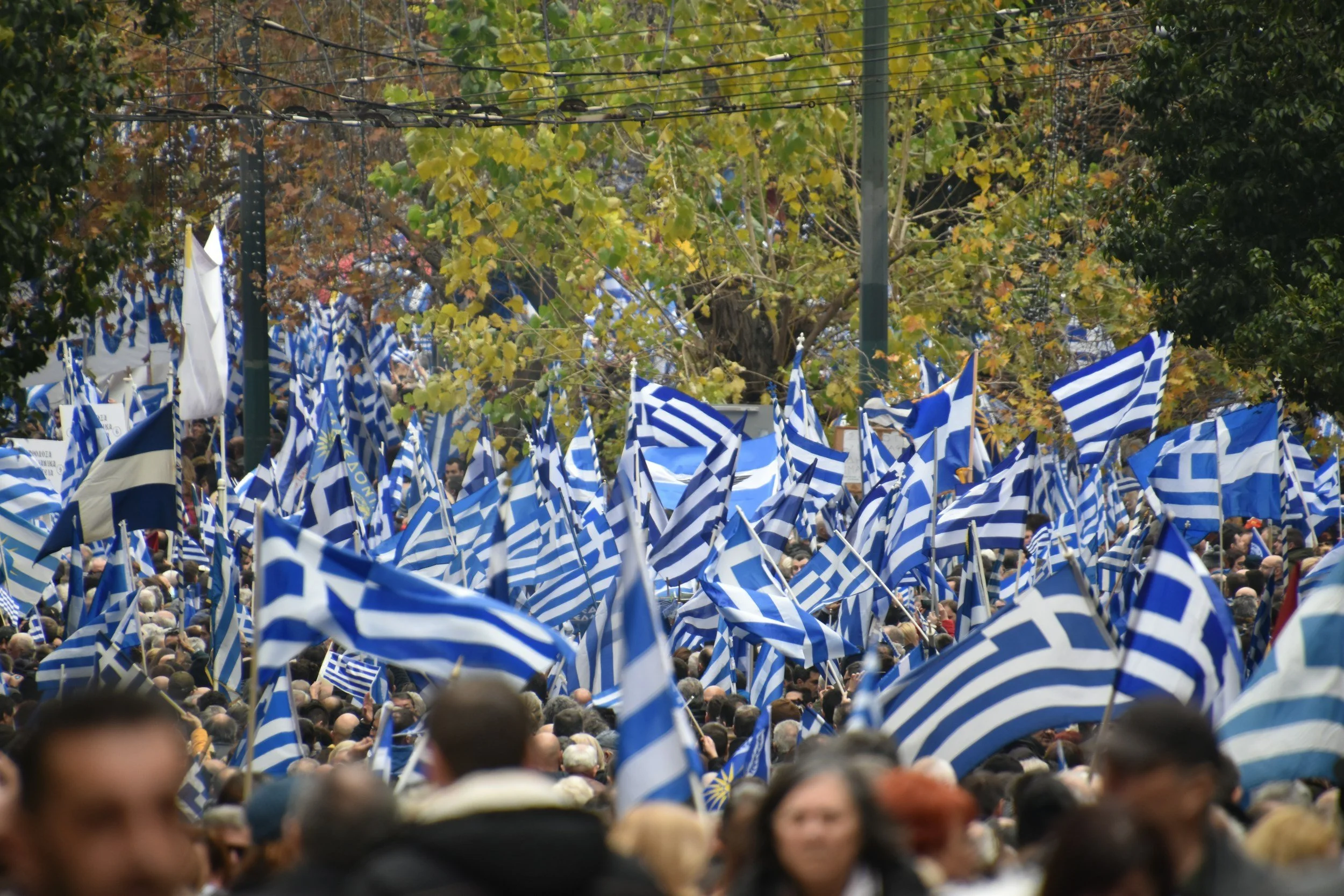
Ohi Day (28 October)
The national holiday commemorating Greece’s refusal to surrender to Italy in 1940. Military parades in Thessaloniki, smaller civic parades in towns across Greece, and a quieter atmosphere in Athens. Many businesses close for the day, so plan around it rather than into it.
Athens Authentic Marathon (Sunday 8 November 2026)
The 43rd edition of the world’s only marathon run on the original course: from the plain of Marathon to the Panathenaic Stadium in Athens, the route the messenger Pheidippides ran in 490 BC. The full marathon, plus 10km and 5km options, all finishing inside the marble stadium where the modern Olympics began in 1896.
If running’s your thing, registration is open now. If it isn’t, the city the weekend of the marathon has a particular electricity that’s worth being in Athens for. The official Athens Authentic Marathon site has registration and route details.
Thessaloniki International Film Festival (early November)
The biggest and most respected film festival in Greece. Ten days of international premieres, retrospectives, masterclasses and industry events in Thessaloniki’s old waterfront cinemas. If you’re already planning a trip that includes the north, the festival is a strong reason to time it for early November.
December: Christmas in Athens
Christmas in Greece is quieter than Easter but no less considered. The Syntagma Square tree lights up in early December, the city centre fills with seasonal markets and street performers, and most families spend Christmas Day at home with vasilopita (the New Year cake), avgolemono soup and slow afternoons.
For Australians on a European winter trip, Athens in December is a good warm-weather break from the colder northern capitals. Daytime temperatures still sit around 14 to 16 degrees, the museums are empty, and dinner reservations are easy to come by. Read The Best Time to Visit Greece for the full month-by-month context.
The spring calendar (to plan for 2027)
The two biggest spring moments have passed for 2026, but they’re the headline events to lock in if you’re already thinking about next year.
Carnival (Apokries): February to early March 2027
Before Lent begins, Greece loosens up. Carnival, known as Apokries, brings costumes, parades and humour into streets that are otherwise quiet in winter. Patras hosts the biggest celebrations, but smaller towns and villages across Greece mark the season in ways that are often less polished and more fun. For repeat visitors or winter travellers, Carnival shows a side of Greece most summer visitors never see.
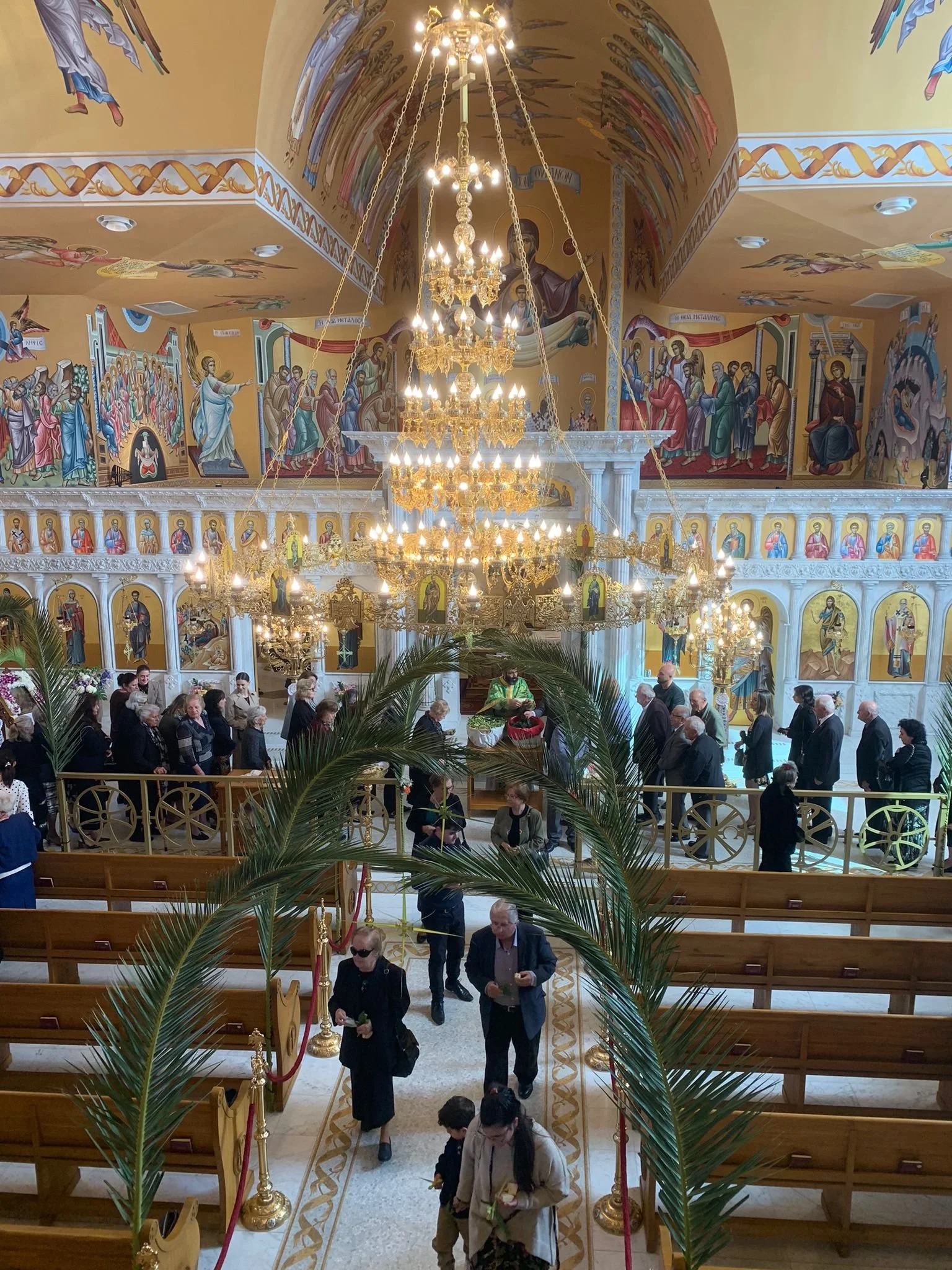
Greek Orthodox Easter: Sunday 11 April 2027
If there’s one moment that explains Greece better than any museum or walking tour, it’s Orthodox Easter. Holy Week builds slowly, night by night. Church bells echo at dusk, streets fill with candlelit processions, and there’s a quiet sense that something important is approaching. On Easter Saturday night, locals gather outside churches just before midnight, candles in hand. When the priest calls Christos Anesti, fireworks tear through the sky and the atmosphere shifts.
For Australians travelling outside peak summer, Easter is one of the most culturally immersive times to be in Greece. It’s at its best in villages, regional towns and islands, rather than central Athens. For cultural context before you go, the official Visit Greece Easter guide explains why this week matters so deeply.
How to use this calendar when planning a 2026 Greece trip
You don’t need to build your entire itinerary around festivals. Being aware of what’s happening is usually enough.
Travelling during Panagia means fuller ferries but unforgettable village nights. Visiting during olive harvest brings fewer crowds and deeper conversations. Being in Athens during festival season adds texture without changing your route. Being on Spetses for Armata, or Aegina for Fistiki Fest, gives you a story that nobody else in your group will be telling.
This is how Greece reveals itself. Slowly, and on its own terms.
Planning Greece for 2026, the Cycladic Spaces way
For Australians starting to plan the rest of 2026 or shaping a 2027 trip, understanding the cultural calendar helps you decide when to go, where to linger and what kind of experience you want.
If you’re still shaping your plans, these guides connect the dots:
Best Greek islands for first-time visitors beyond Santorini and Mykonos
The best outdoor cinemas in Athens for a summer you’ll never forget
Pick your moment in 2026, and Greece does the rest.
